
You know me, I just *have* to hunt down the weirdest, most exciting things for the kitchen! If it looks like something from an alien garden, I’m buying it. A few years back, I spotted these little pale beauties that looked exactly like strawberries that forgot to turn red. I grabbed a pint immediately, totally unsure what I was getting myself into. That first bite? Mind-blowing! Seriously, if you’ve ever wondered about those pale white berries covered in red seeds, this is your chance because today, we are covering **What Are Pineberries Everything You Need To Know**. This guide is going to tell you everything about their personality, how to prep them, and why they taste like summer magic mixed with your favorite tropical fruit.
What Are Pineberries Everything You Need To Know: Origins and Appearance
These little guys aren’t some strange GMO experiment, surprise! They actually have a really interesting background, which is why I think they’re so fascinating. Pineberries are technically a hybrid. They hail from South America, but horticulturists really brought them to the world stage after crossing a wild North American strawberry with a South American one way back in the 18th century. It took ages for them to become commercially available, which is why we don’t see them everywhere.
The appearance is what trips everyone up! They are totally white—or maybe a very pale creamy color—and look a little like a large, pale version of our regular garden strawberry. But here’s the kicker: instead of having yellow seeds sunken into the skin, the pineberry’s seeds are bright red! It’s such a cool contrast. When you hold one up next to a standard summer berry, it looks like an albino version. Honestly, I kept them in a clear container just so I could look at them before I ate them. It really helps you understand **What Are Pineberries Everything You Need To Know** when you see how different they look.

What Are Pineberries Everything You Need To Know: The Unique Pineberry Flavor
Okay, let’s talk about the real reason you want these: the taste! If you think it’s just a boring white strawberry, you are so wrong. The overall **pineberry flavor** is often described as a happy meeting between a regular strawberry and a ripe pineapple. That tropical tanginess is exactly what comes through, but it’s wrapped up in that familiar, juicy strawberry texture. It’s light, sweet, and surprisingly complex because of that little bit of acidity.
When I first tried them, I was half-expecting them to taste bland because of the color, but wow, was I surprised! My favorite way to enjoy them is super simple, like with a drop of sugar, or sometimes I’ll whip up something like pineapple jam tarts using regular pineapple, thinking about how this delicate berry could be my next big jam project.
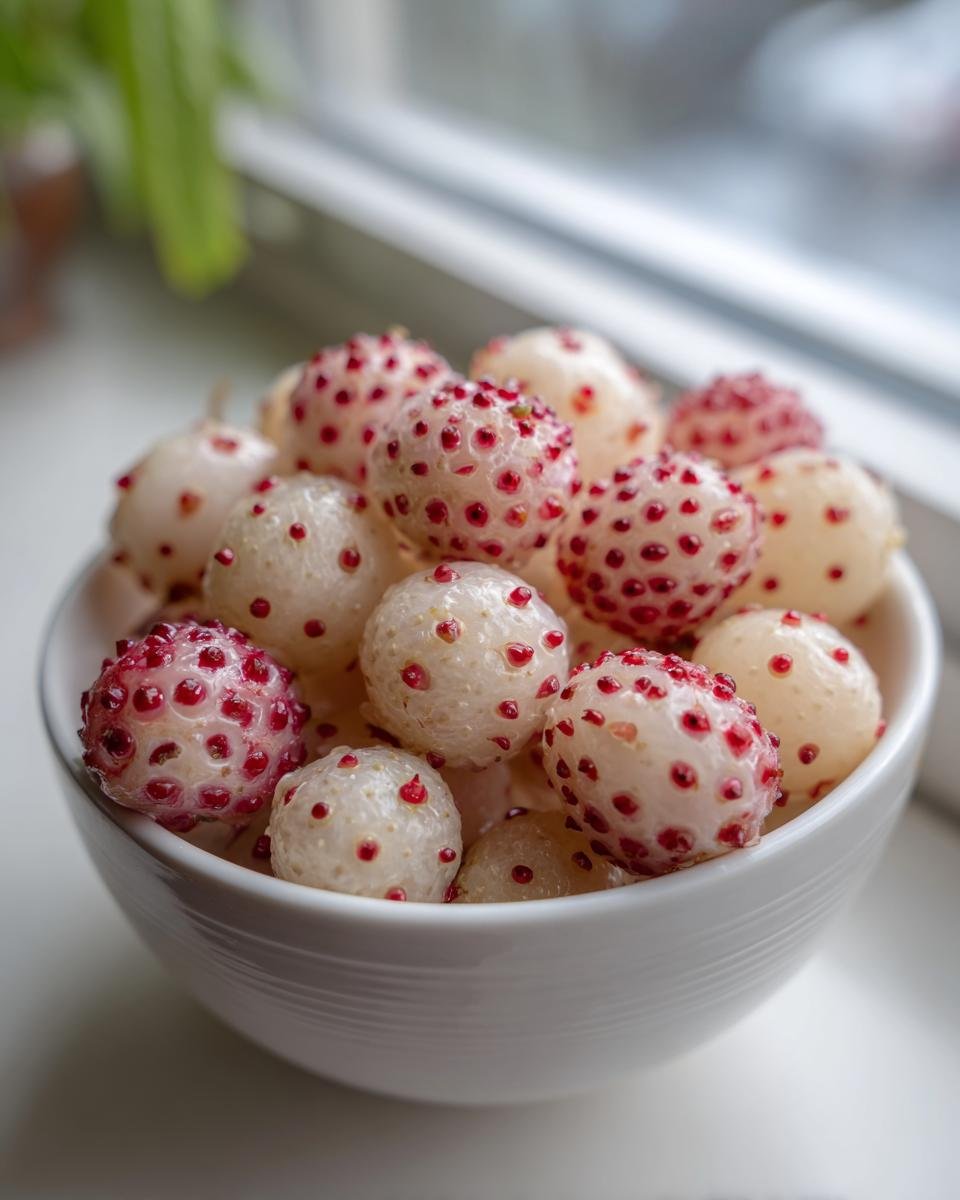
Here is my expert tip on ripeness: Don’t pick them when they are pure, blinding white. That’s often an underripe stage, and they can taste a bit tart. You want them to be creamy white, almost glowing, with the red seeds really popping. That slight softening and creamy color mean the real flavor has developed, and that’s when they are truly magnificent!
How to Select and Store Fresh Pineberries
Picking the perfect pineberry can feel tricky since they aren’t red, but it’s much easier than you think once you know the cheat codes. Forget looking for that deep, vibrant color! You want berries that are mostly creamy white or have a very pale blush. If you see any green patches, leave it behind, trust me. Green means they need more time to hit that sweet spot.
Also, they are super delicate—way more fragile than regular strawberries. Handle them like they’re made of glass! Once you get them home, try to eat them right away, ideally within a couple of days because they don’t like hanging around long. The absolute best way to store them, according to my notes, is unwashed, laid out in a single layer in the fridge. If you wash them first, they just turn into sad, mushy puddles way too fast!
What Are Pineberries Everything You Need To Know: Preparation and Simple Serving
Since these berries are so delicate, figuring out **how to eat pineberries** is all about gentle care. I messed this up the first few times, treating them like tough old apples! But once I learned that a hard rinse turns them to mush, preparation became a breeze, and they were perfect enough for simple serving.
Ingredients for Simple Pineberry Preparation
You truly don’t need much to bring out their amazing flavor. For about four servings, you’ll want about 1 pound of pineberries. If you want to sweeten them up just a touch—which I usually do—grab 1 tablespoon of sugar. A tiny squeeze of lemon juice, about 1 teaspoon, is optional but really makes their flavor pop, kind of like how I always brighten up my fruit salad.
Step-by-Step Instructions for What Are Pineberries Everything You Need To Know
This is the most crucial part where you have to be gentle! First, you need to wash them. Don’t drop them in a bowl of water; use a gentle stream of cool running water. Seriously, just let the water flow over them softly. Next up, you need to take off those little green caps, or the hulls. Just pinch them right at the base and pull gently.
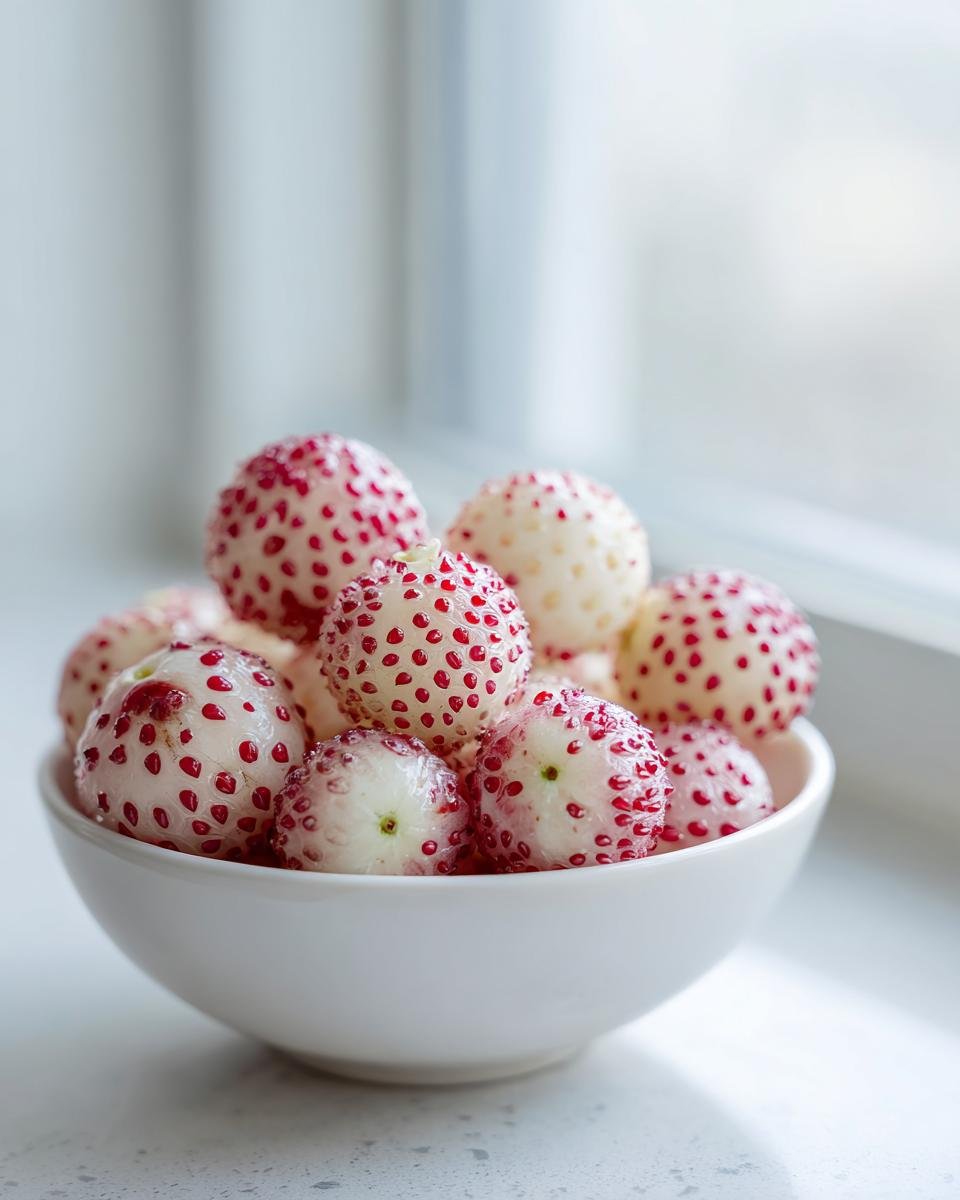
That’s most of the work done! You can just pop them straight into your mouth as a snack right there. But if you want a slightly elevated experience, here’s my go-to move: slice them up into halves or quarters, toss them lightly with that optional sugar and lemon juice, and then you wait. You have to let that mixture sit for exactly 5 minutes before you serve it. This short rest lets the sugar draw out just a hint of their inner juices without making them soggy. It’s such an easy treat, but it genuinely feels fancy!
What Are Pineberries Everything You Need To Know: Growing Pineberries at Home
Okay, so you’ve tried them, you love them, and now you’re wondering if you can skip the farmers market next season. Good for you! Getting into **growing pineberries** is super rewarding, but they are a little pickier than regular strawberries, so you can’t just toss them out in the garden and forget about them.
The biggest thing they need is tons and tons of sun. We are talking full, blazing sun for at least six to eight hours a day. If you’ve got partial shade, they might grow leaves, but you probably won’t get many berries, and the ones you do get won’t taste as sweet as they should.
When it comes to soil, they need rich, well-draining dirt. That “well-draining” part is non-negotiable, seriously. If their roots sit in soggy soil, they’ll rot faster than you can say “pineapple flavor.” That’s why I usually plant mine in raised terracotta pots or use really gritty potting mix if I’m growing them in containers. They like it slightly acidic, too, so sometimes I sneak in a little compost made from dried tea leaves. It might sound fussy, but when you see those pale white berries popping up through the greenery, you’ll realize all that fuss was totally worth it!
Creative Ways to Use Pineberries in Recipes
Once you’ve eaten your first small bowl just fresh, the real fun begins! The best news about pineberries is that they are incredibly versatile, just like regular strawberries. You can treat them as a direct 1:1 substitute in almost any recipe where you’d normally use a red berry. Seriously, try swapping them into your standard shortcake mix—the drama of the pale fruit topped with whipped cream is just stunning!
I adore putting them into simple summer salads. They mix wonderfully with peppery greens like arugula and a salty cheese like feta. If you are making something cold and slushy, they add a beautiful, subtle flavor complexity. I always pair them with vanilla or fresh mint; those flavors just bring out that pineapple hint perfectly. They are also amazing diced up and folded into yogurt or even used cold alongside something like a frozen watermelon slushie recipe—just imagine that pale color in your glass!
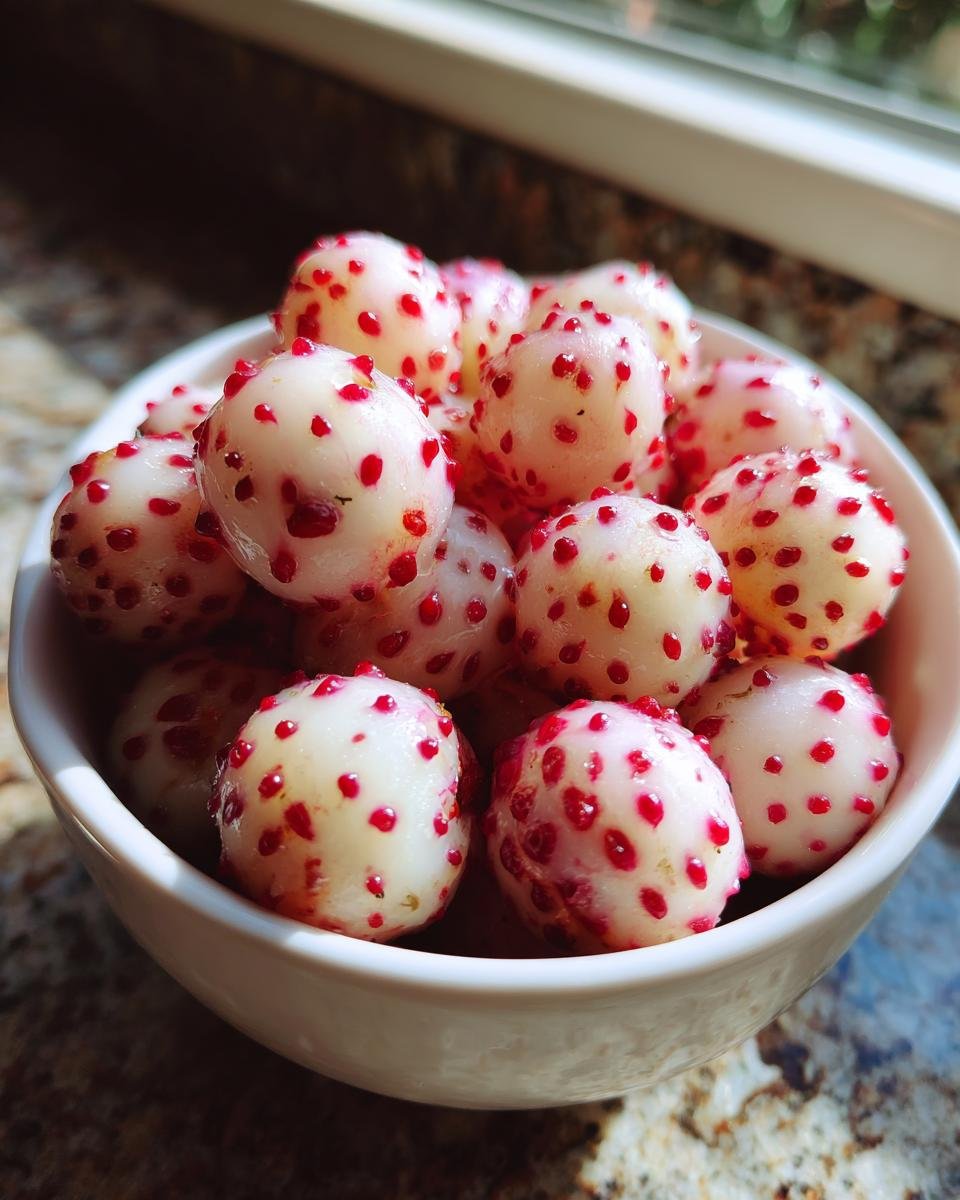
Don’t be afraid to throw them into something savory either, like a fresh salsa instead of tomatoes, served over grilled chicken. The mild tartness works magic there. I find they don’t break down as quickly as strawberries when chilled in a dressing, so they keep their shape nicely!
Frequently Asked Questions About Pineberries
I know when you’re diving into a brand-new food like this, your brain just fills up with a million questions. I sure had mine when I first tried them! It’s totally normal to wonder about the science or the shopping logistics. I gathered up the most common things people ask me about these amazing little white berries so you don’t have to hunt around.
It’s worth remembering that because they are a bit unique, you might not find them next to the standard strawberries in every single grocery store, but stick with it! They are usually worth sourcing. Once you know how to prep them, they are fantastic in simple things—like folding into a refreshing banana smoothie!
Are Pineberries Genetically Modified?
This is probably the question I get asked most often, and I always reassure folks that no, pineberries are not GMOs! They aren’t some lab creation made in the last five years. They are actually a natural hybrid—a cross between two different natural strawberry species that happened a long time ago. So, they are all-natural folks, just a little bit shy about showing up in mainstream supermarkets!
Where Can I Buy Pineberries?
Unlike those big plastic clamshells of red berries that are everywhere from January to December, pineberries are definitely seasonal and sometimes a little harder to track down. Your best bet is usually early to mid-spring when they first start coming into season. Look for them at smaller, specialized grocery stores or, even better, hit up your local farmers market. If the farmer is growing them, you know they are at their peak flavor because they don’t ship as well as regular strawberries. They really shine when they are locally sourced!
Can I Freeze Pineberries?
Yes, you absolutely can freeze them, but I have to give you a little warning based on my own kitchen mishaps! Because they are so much more delicate than regular strawberries, freezing them changes the texture quite a bit. If you try to freeze a whole pineberry, it’s going to come out much mushier than a frozen red strawberry. If you plan on freezing them, you absolutely must prep them first. Hull them, slice them up, and maybe toss them with just a tiny bit of sugar to help stabilize them before flash-freezing them on a baking sheet. That way, they are perfect for blending into smoothies or using in baked goods later on.
Quick Facts and Estimated Nutrition for Pineberries
Sometimes you just need the numbers, right? If all that delicious talk about flavor and growing has you ready to taste one, you probably want to know how much time this easy snack takes. Since we are keeping this whole adventure super simple, there’s practically no cooking involved, which I love!
Here are the super fast facts for planning out your snack time. Remember, since pineberries are still a bit unique, these nutrition details are just an estimate based on tracking standard fruit content, so treat them as a ballpark figure. They are wonderfully light, which is great news for snacking!
For prep work, you really only need about 10 minutes total, and honestly, that’s mostly just delicately removing the little green tops. Since there’s no actual cooking, your total time commitment is only 10 minutes! We are aiming for about 4 servings out of one pound of these little gems.
- Prep Time: 10 min
- Cook Time: 0 min
- Total Time: 10 min
- Yield: 4 servings
Now, for the estimated nutrition, based on a serving size of about 1 cup:
- Calories: 50
- Sugar: 7g
- Fiber: 3g
- Protein: 1g
- Fat: 0.3g
- Cholesterol: 0mg
See? Super healthy! They offer a nice little boost of fiber without packing a punch on the sugar or fat counts. It’s the perfect light treat when you want something way more interesting than a standard piece of fruit!
Share Your Pineberry Experience
So there you have it! We’ve covered everything from their surprisingly normal hybrid origins to how to pick the perfect creamy-white ones that taste like a tropical surprise. I really hope you get a chance to try this fruit because honestly, when you finally nail the simple preparation I showed you, it’s just pure summer joy in a bowl.
I’m always learning, even after years of cooking weird and wonderful things, and the best advice always comes from you all in the comments! Did you try the lemon juice trick? Did you manage to grow your own patch? I want to know how you made this simple preparation your own or what recipe you ended up stuffing your pineberries into! You can learn more about our mission here at Tastiqa, but honestly, the real fun starts when you get into your own kitchen.
Seriously, don’t be shy! Go grab a pint, try the gentle wash, and share your initial reactions in the comments below. Did the pineapple flavor surprise you? Let me know what you thought of **What Are Pineberries Everything You Need To Know** and if they became your new favorite secret snack!
Print
Pineberry Facts and Uses
- Total Time: 10 min
- Yield: 4 servings 1x
- Diet: Vegetarian
Description
Information about pineberries, including how to grow, prepare, and eat them.
Ingredients
- 1 pound pineberries
- 1 tablespoon sugar (optional)
- 1 teaspoon lemon juice (optional)
Instructions
- Gently wash the pineberries under cool running water.
- Remove the green leafy caps from the berries.
- Eat the pineberries fresh as a snack.
- For a simple dessert, slice the berries and toss them lightly with sugar and lemon juice.
- Allow the mixture to sit for 5 minutes before serving.
Notes
- Pineberries taste best when eaten within a few days of purchase.
- You can substitute pineberries for strawberries in most recipes.
- Store unwashed pineberries in a single layer in the refrigerator.
- Prep Time: 10 min
- Cook Time: 0 min
- Category: Fruit
- Method: Fresh
- Cuisine: General
Nutrition
- Serving Size: 1 cup
- Calories: 50
- Sugar: 7
- Sodium: 1
- Fat: 0.3
- Saturated Fat: 0.0
- Unsaturated Fat: 0.2
- Trans Fat: 0.0
- Carbohydrates: 12
- Fiber: 3
- Protein: 1
- Cholesterol: 0
Keywords: pineberry, white strawberry, how to eat pineberries, pineberry flavor, growing pineberries