
Oh, friends, let’s talk texture. Nothing in the culinary world is quite as satisfying as perfectly cooked rice—you know, the kind that’s light, fluffy, and separates beautifully grain by grain. I’ve spent years fiddling with steaming times and soaking methods, trying to replicate the magic I first tasted in Tehran. And I finally nailed it! This recipe for Persian Tomato Rice, or Chelow, is the one I keep going back to. It’s shocking how simple it is, using nothing more than rich tomato paste and turmeric to color and flavor the Basmati. Forget fussy techniques; this is the authentic, everyday Persian side dish that proves simplicity always wins.

Why You Need This Persian Tomato Rice Recipe
Honestly, ditch any other rice recipe you think you know. This Persian Tomato Rice changes the game because it hits that perfect trifecta of taste, texture, and simplicity. It’s just so reliably good, and it delivers results even if you’re having a chaotic kitchen day. You absolutely need this in your rotation!
- It delivers incredibly fluffy Basmati rice every single time—no gummy messes here!
- The flavor is so comforting. That deep, savory base built from just tomato paste and turmeric is magic.
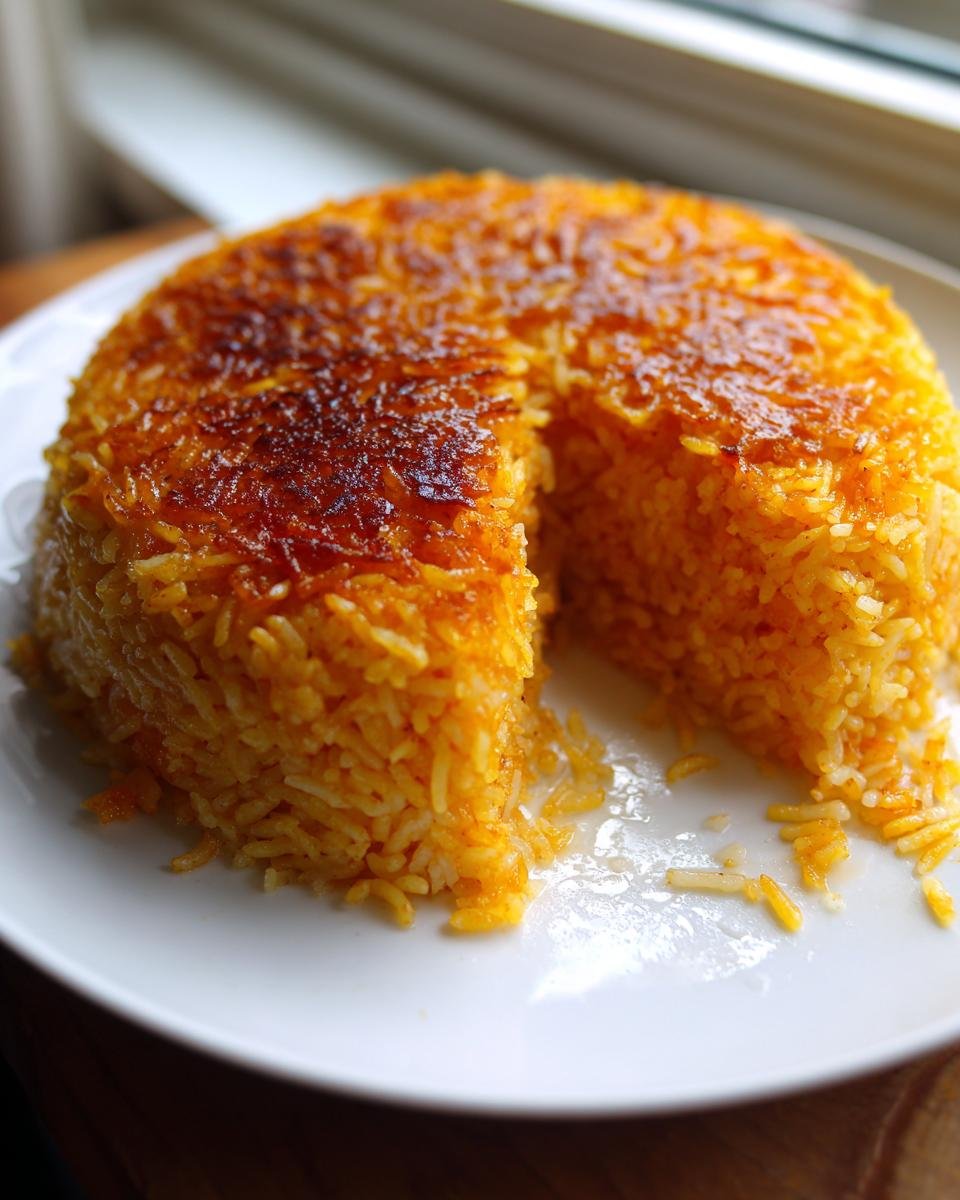
- And of course, the tahdig. That golden, crispy rice crust on the bottom is the entire reason we make Chelow this way. We fight over the tahdig in my house!
It’s easy enough for a weeknight but special enough for company. If you’re tired of plain steamed rice, check out how we make our simple coconut rice sometime too, for a sweet twist!
Ingredients for Authentic Persian Tomato Rice (Chelow)
Okay, so let’s run through what you need. This isn’t a grocery list full of weird stuff demanding import; these are pantry staples that pull together for something truly spectacular. It’s all about using good quality rice and getting those ratios right. Trust me, using the right kind of Basmati makes a huge difference!
- 2 cups Basmati rice—and this has to be good quality!
- 4 tablespoons vegetable oil or unsalted butter (I usually use a mix, but butter wins on flavor!)
- 3 tablespoons tomato paste, concentrated—we want that deep color, so don’t skimp here.
- 1/2 teaspoon turmeric powder, the stuff that brings that lovely golden glow.
- 1/4 teaspoon saffron threads (Optional, but honestly, if you have it, use it!)
- 1/2 cup water, plain old tap water is fine.
- 1 teaspoon salt, this goes mostly into the soaking water.
Rinsing and Soaking the Basmati Rice
This is seriously the most important step before anything even touches the stove. If you skip washing the rice, you end up with cloudy, starchy mush, and we are definitely *not* making mush here today! For perfect Persian Tomato Rice, you need to rinse your Basmati several times under cold running water. I mean it—keep rinsing and swirling it around until the water coming off the rice is genuinely clear. It takes persistence, but that starch runoff is the enemy of fluffy rice!
Once it’s rinsed, you need to give those grains a spa treatment. Place the rice in a bowl, cover it completely with fresh water, and stir in about 1 teaspoon of salt. Let that sit for at least one full hour. This allows the rice to hydrate slowly and evenly. When I forget to soak, the grains often break later, so please—set a timer and walk away for an hour!
Step-by-Step Instructions for Perfect Persian Tomato Rice
Now that our rice is properly pampered from soaking, we get to the fun part: building that flavor layer at the bottom of the pot! This entire sequence needs a bit of focused attention, especially towards the end, but I promise, the payoff when you scoop out that crispy crust is worth every second. If you’re looking for other simple side dishes, give our recipe for rice with milk a try next time!
Creating the Tomato Base Layer for Persian Tomato Rice
Get your non-stick pot (this is important for the crust!) hot—medium heat is perfect. Throw in your oil or butter. Once that’s shimmering, whisk in the tomato paste and the turmeric. You have to cook this mix for a good two minutes, stirring constantly. Don’t rush this! You want the tomato paste to darken just a little bit; trust me, that slight darkening builds incredible depth of flavor. If you don’t cook it out, it tastes raw. Oops! After that, carefully pour in your 1/2 cup of water and stir everything together until it’s bubbling away nicely.
Layering and Steaming the Persian Tomato Rice
Drain that soaked rice one last time until it’s pretty dry. Now, gently spoon all that fluffy rice right on top of your simmering tomato mixture. And here’s the cardinal rule for Persian Tomato Rice: DO NOT STIR. Seriously, don’t touch it! Stirring ruins the layers we are trying to build. If you’re using saffron, you can drizzle that dissolved liquid over the top layer of rice for pretty streaks.
This next part is crucial for trapping the steam. Grab a clean kitchen towel—the thinner the better—and wrap it tightly around the lid of your pot. This absorbs the condensation so it drips back into the rice instead of wetting it down. Put that towel-wrapped lid on securely. Cook on medium-high heat for five minutes straight. You need to hear that little hiss, which tells you the steam is building up underneath!
Achieving Tahdig: The Crispy Bottom of Persian Tomato Rice
Once you hear that strong steaming sound, it’s time to treat the bottom gently. Turn the heat way, *way* down to low. We let the rice steam undisturbed for 45 to 50 minutes. This slow, steady heat is what causes the magic to happen at the bottom—that glorious, crunchy, golden layer we call tahdig. Remember, the whole point is to leave that bottom layer alone! Don’t peek, don’t press down on the rice, and for heaven’s sake, don’t stir!
When the time is up, turn off the heat and let it sit for about ten minutes before lifting the lid. When you serve, gently fluff the top portion with a fork—it will be exquisitely tender. Then, carefully scoop out that Persian Tomato Rice, and if you’re feeling brave, invert the pot onto a platter to reveal your crispy tahdig treasure!
Expert Tips for Fluffy Persian Tomato Rice
Look, I know how tempting it is to peek or press the rice down once it’s layered in the pot, but you simply can’t do that if you want fluffy results! If you press down on the rice, you’re squeezing out the air pockets needed for steam circulation. That’s how you end up with dense, unevenly cooked grains. Keep your hands off!
My pro-tip for ensuring even steaming is making sure that towel wrapped around your lid is snug—it keeps all the precious steam focused downward. Also, make sure your heat really drops down to the absolute lowest setting after those initial 5 minutes. If you’re worried about burning the bottom altogether, maybe check out our advice on one huge mistake home cooks make; often, it’s just too much heat!
Remember, the goal is perfect separation. Take your time when fluffing with the fork at the end, too. Just gently lift and separate those grains!
Ingredient Notes and Substitutions for Persian Tomato Rice
Let’s talk about making small tweaks when you’re missing something. While I preach authenticity for this Persian Tomato Rice, I totally understand life gets in the way sometimes! The quality of your basmati is non-negotiable, though—if you use long-grain white rice that isn’t Basmati, the results just won’t steam up light and fluffy like this recipe intends.
If you find yourself without saffron, don’t panic! Saffron gives you a gorgeous, subtle aroma and a beautiful yellow color marbled through the white rice, but honestly, the tomato paste does most of the heavy lifting for flavor here. You can simply skip it, or if you want that yellow color, add just a tiny, tiny pinch more turmeric instead.
When it comes to the fat at the bottom? I prefer butter for the taste, but using vegetable oil works perfectly fine, too, especially if you want to keep it dairy-free. You can even use ghee if you have it handy. Just ensure you use enough—that fat is what protects the rice from scorching and forms the crust we love so much!
Serving Suggestions for This Tomato Rice Dish
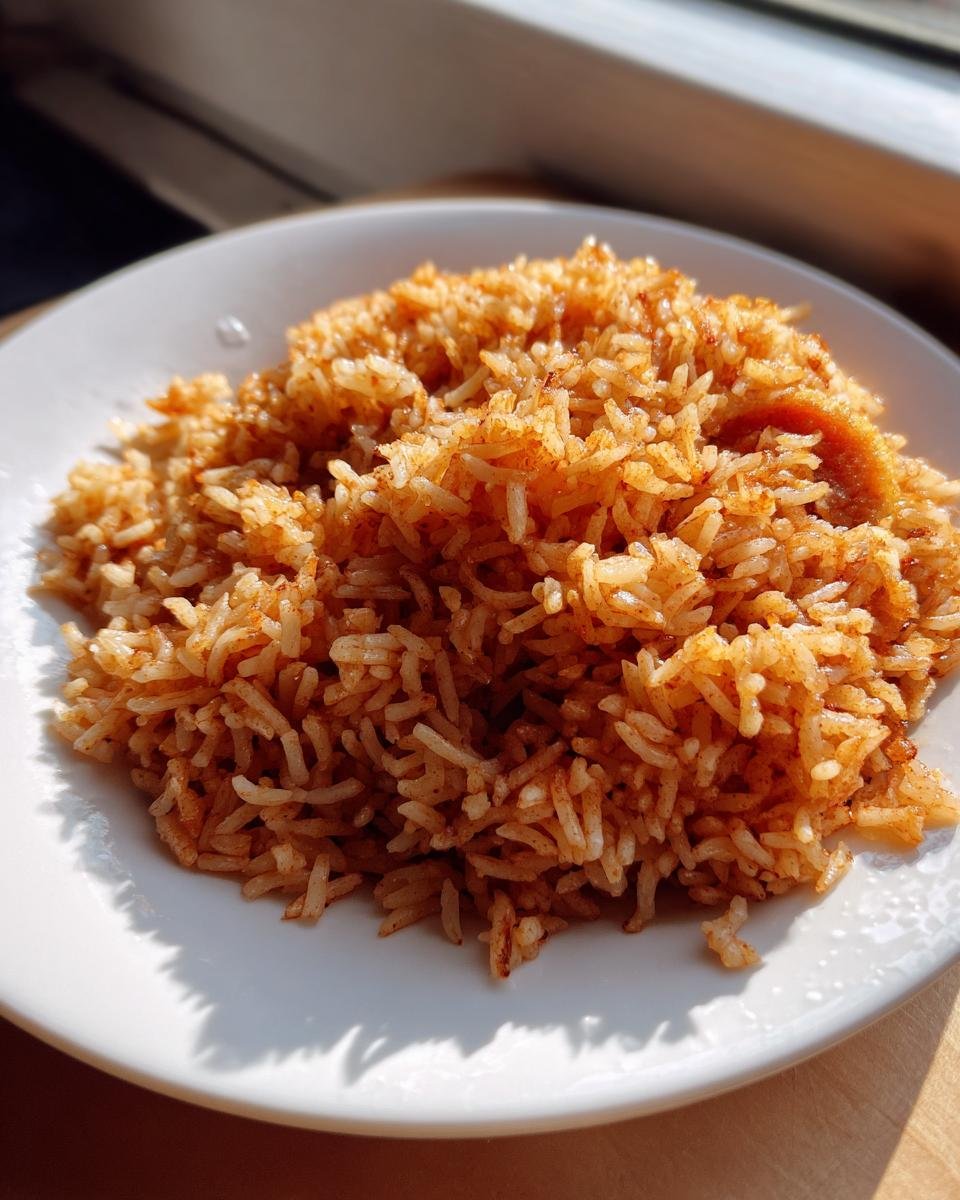
So, you’ve got your amazing, golden, crispy-bottomed Persian Tomato Rice ready to go! This dish is meant to be the star side, soaking up all the delicious juices of the main course. It’s incredible how well it pairs with richer, saucier stews or grilled items.
Traditionally, you’ll see this served alongside slow-cooked lamb shanks or hearty chicken dishes, where the stew juices mingle perfectly with the fluffy rice grains. But hey, we are modern cooks, right? This tomato rice is absolutely fantastic with grilled meats. You can never go wrong with a little saffron rice alongside some simple kebabs.
If you’re looking for a fun twist on a protein that works unexpectedly well with the subtle tomato tang, you should check out how we whip up a chicken sausage and bell peppers skillet. The light char on the sausage complements the savory turmeric flavor in the rice so well. It’s a super satisfying plate without all the fuss!
And don’t forget the yogurt! A cooling side of Mast-o Khiar (yogurt with cucumber and mint) or even just a dollop of plain Greek yogurt cuts through the richness of the tomato paste beautifully. It’s all about that balance of hot, savory rice and cool, creamy sides.
Storage and Reheating Instructions for Leftover Persian Tomato Rice
Don’t you just hate when you have leftover perfect rice? It always seems destined to turn into a dense brick overnight, especially that fluffy steamed stuff! But we don’t let good Persian Tomato Rice go to waste around here. My goal when storing this is to keep that structure intact for as long as humanly possible.
The best storage approach is immediately after it cools down a bit. If you haven’t already, gently separate that crispy tahdig crust from the rest of the rice. Store the crust separately in a small, airtight container at room temperature for up to about 12 hours, or in the fridge if you won’t eat it the next day. Why room temp? Because the oil in the crust keeps it perfect overnight, and the fridge can dry it out too fast! If you’re keeping it longer than a day, pop the crust in the fridge, too.
For the fluffy steamed rice, transfer it into a clean container. Don’t smash it down when you seal the lid! I always try to use a container that’s wide rather than deep so the rice doesn’t stack too heavily upon itself. This helps maintain that light texture. If you want some extra tips on keeping food fresh in general, check out my favorite source for learning how to keep your produce fresh for weeks—the same principles really apply to properly stored rice, too!
Reheating Leftover Steamed Rice
Reheating steamed rice is delicate; the microwave often steams it too much, turning it gluey. My favorite trick is to use a non-stick skillet over very low heat. First, sprinkle just a tiny bit of water—maybe a teaspoon for every two cups of rice—over the top. Not too much! Then, cover the skillet tightly with a lid and let it heat slowly. This gentle steaming warms the rice through without drowning it.
It takes patience, maybe 5 to 7 minutes on practically the lowest setting, but the rice comes back to life beautifully fluffy. If you absolutely must use the microwave, put the rice in a dish, cover it with a damp paper towel, and heat in short bursts (20-30 seconds) until just warm—stirring gently between bursts to redistribute the heat.
Warming Up the Crispy Tahdig
You can’t reheat the tahdig the same way, or you’ll just melt the oil and make it soggy again! The tahdig needs to be crisped up. If you saved it at room temperature, it might just need a quick toast. Place the pieces directly into a dry, hot skillet (no oil needed!) over medium heat. Listen for that sizzle, and flip them after just one minute. They’ll crisp right back up to their original glory!
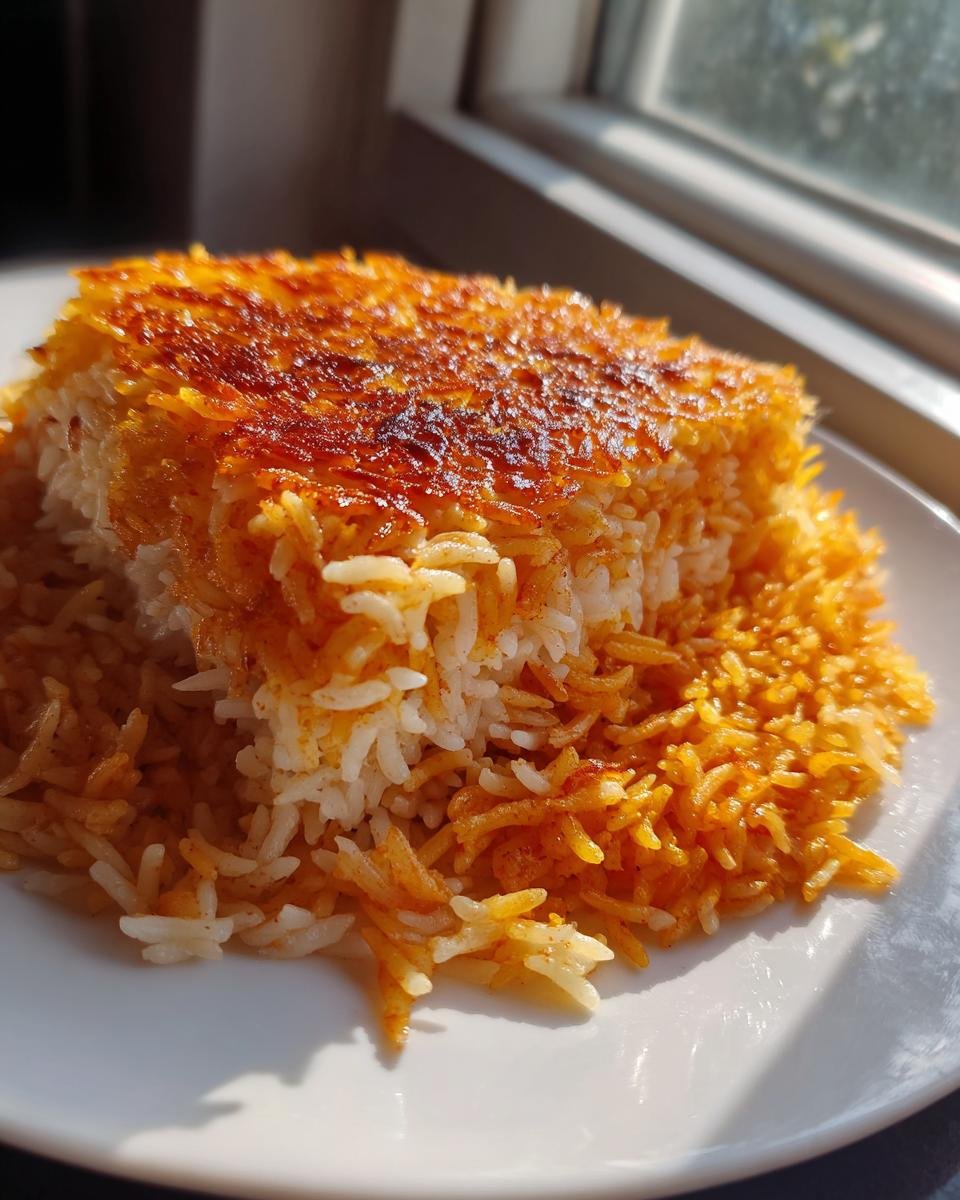
If the tahdig has been chilled in the fridge, add just a tiny drizzle of fresh oil—like half a teaspoon—to the pan first, and then gently heat the crust until it’s warm all the way through and crispy on the edges. Nothing better than getting that crunchy texture back!
Frequently Asked Questions About Persian Tomato Rice
I know sometimes all these steps for perfect steaming can lead to a few head-scratchers! Don’t worry, I’ve gathered the questions I get most often when I share this recipe with friends. Cooking rice is more art than science sometimes, but these bits of knowledge should help you move past those last few hurdles!
What exactly is Tahdig in Persian Tomato Rice?
Oh, tahdig! That’s the best part, honestly. Tahdig literally translates to “bottom of the pot.” It’s that beautiful, savory, golden-brown crust of rice that forms when the starches crystallize against the oiled bottom of the pan during the final steaming period. It should be crispy, nearly fried, but still deeply flavorful. It’s the absolute treasure of any proper Persian meal, and making it with tomato paste just adds an extra layer of richness!
Can I skip the soaking step for the Basmati rice?
You absolutely *can* skip it if you’re in a lightning-fast emergency, but I wouldn’t recommend it for this Persian Tomato Rice. The soaking is what allows the long Basmati grains to hydrate before they meet the high heat. If you skip it, you need to increase the initial boiling/par-cooking time significantly, and you’ll likely end up snapping a lot of grains during the final steam. You’ll get a harder, less tender result overall. Just try to make time for the soak!
Does the saffron really make a difference if I’m already using tomato paste?
That’s a great question! The tomato paste gives you that gorgeous reddish-orange color and savory depth for the whole pot, but saffron is completely different. It’s all about aroma and a delicate, floral flavor note. If you use saffron, you only drizzle it over the top layer of rice, so you get this wonderful, fragrant, yellow contrast against the tomato rice underneath. It elevates the dish, but if you skip it, the tomato rice is still fantastic!
What if my rice comes out too mushy?
Mushy rice is the worst! Usually, that means one of two things happened: either you didn’t rinse the starch off well enough in the beginning, or you didn’t wrap your towel properly around the lid, letting too much condensation drip back into the rice during steaming. Another common culprit is stirring the rice after layering it over the tomato base! That stirs up the starch from the bottom and ruins the fluffy separation.
If you find yourself wanting to stick to simple, less process-heavy rice, you might want to see how we make our simple coconut rice recipe—it’s a different method but reliably easy!
Can I use chicken or vegetable broth instead of water for this Chelow?
You can! If you use broth instead of plain water when simmering the tomato paste layer, you’ll definitely get a richer final flavor. However, remember that most commercial broths have a fair bit of salt already. Since we salted the soaking water, if you switch to broth here, be very conservative with the salt in the soaking water next time, or it might taste a little too salty once everything settles.
Nutritional Estimates for Persian Tomato Rice
I always feel a little weird sharing numbers because, let’s be real, when you’re eating something this delicious, who is counting every single grain? But for those of you who track things, I dug up the general estimates based on the ingredients we used for this Persian Tomato Rice recipe. Just remember, these are rough guideposts!
I calculated this based on yielding about four generous servings. If you eat a bigger portion, you’ll have more of everything, naturally. This is for one serving of the main rice component, not including any side dishes you pile on top!
- Serving Size: 1 cup cooked
- Calories: Around 350—the oil or butter at that bottom layer definitely bumps this up!
- Fat: About 10 grams (A good portion of this is saturated fat from the butter, if you use butter.)
- Carbohydrates: Roughly 60 grams (That’s the rice doing its magic.)
- Protein: About 6 grams
- Fiber: Very low, around 2 grams
- Sodium: About 450mg (This largely depends on how much salt you used in the soak!)
Please take these numbers with a grain of salt—no pun intended! These estimates are based on the exact measurements listed, but factors like whether you use vegetable oil versus butter, or if you use a very rich tomato paste, can shift things around. This is just a snapshot of what’s in this beautiful, comforting bowl of Persian Tomato Rice!
Print
Persian Tomato Rice (Chelow)
- Total Time: 70 min
- Yield: 4 servings 1x
- Diet: Vegetarian
Description
A simple recipe for traditional Persian steamed rice flavored with tomato paste.
Ingredients
- 2 cups basmati rice
- 4 tablespoons vegetable oil or butter
- 3 tablespoons tomato paste
- 1/2 teaspoon turmeric powder
- 1/4 teaspoon saffron threads (optional)
- 1/2 cup water
- 1 teaspoon salt
Instructions
- Rinse the basmati rice several times under cold water until the water runs clear. Soak the rice in water with 1 teaspoon of salt for at least 1 hour.
- Drain the soaked rice.
- In a medium non-stick pot, heat the oil or butter over medium heat. Add the tomato paste and turmeric. Cook for 2 minutes, stirring constantly, until the paste darkens slightly.
- Add 1/2 cup of water to the tomato paste mixture and stir well. Bring to a simmer.
- Gently layer the drained rice over the tomato mixture in the pot. Do not stir.
- If using saffron, dissolve the threads in 2 tablespoons of hot water and drizzle over the top of the rice.
- Cover the pot with a lid wrapped in a clean kitchen towel (to absorb steam). Cook on medium-high heat for 5 minutes until steam builds up.
- Reduce the heat to low and cook for 45 to 50 minutes until the rice is tender and the bottom forms a crust (tahdig).
- To serve, gently fluff the rice with a fork. Scoop out the tahdig separately if desired.
Notes
- For a crispier tahdig, use a little more oil or butter at the bottom of the pot.
- Do not press down on the rice after layering it; this prevents steam from cooking it evenly.
- Prep Time: 15 min
- Cook Time: 55 min
- Category: Side Dish
- Method: Steaming
- Cuisine: Persian
Nutrition
- Serving Size: 1 cup cooked
- Calories: 350
- Sugar: 2
- Sodium: 450
- Fat: 10
- Saturated Fat: 3
- Unsaturated Fat: 7
- Trans Fat: 0
- Carbohydrates: 60
- Fiber: 2
- Protein: 6
- Cholesterol: 0
Keywords: Persian rice, tomato rice, chelow, basmati, tahdig