
There is nothing quite like the smell that fills my kitchen when a slow-simmered curry is bubbling away on the stove. It’s complex, warm, and just slightly fiery—that perfect middle ground that makes you reach for another piece of naan immediately. For years, I tried making a decent stew-style curry, but the lamb always seemed a bit tough, or the spices were just *off*.
But listen, I cracked the code on this **Lamb Madras Curry** recipe, and trust me, it’s a game-changer. The secret isn’t an exotic ingredient; it’s patience and layering those spices correctly. I finally got the heat just right—medium-hot, vibrant, but never overwhelming the incredible tenderness of the lamb shoulder.
This isn’t a quick weeknight fix, but the two hours you let it gently simmer are worth every single minute. You’ll end up with meat that melts when you touch it and a sauce so rich you’ll want to drink it!
Why You Need This Tender Lamb Madras Curry Recipe
So, what makes this recipe worth the two hours of simmering time? Honestly, it’s the texture. That lamb shoulder just falls apart!

- The spice level hits that perfect medium-hot zone—flavorful heat without shouting.
- It’s surprisingly hands-off once it gets going. You just let time do the hard work!
- You get that incredibly deep, restaurant-quality flavor right in your own kitchen.
It’s the kind of meal that makes you feel like a culinary pro, even though the steps are totally simple. You deserve a curry this good, trust me. If you’re looking for other nutrient-packed meals, you might check out some great options over here: plant-based foods loaded with iron.
Essential Ingredients for Authentic Lamb Madras Curry
You can’t fake flavor, and that starts right here with the lineup. I always make sure my produce is as fresh as possible—a good tip for keeping everything vibrant is found here: keeping your produce fresh for weeks!
For this Madras, we need 2 lbs of lamb shoulder cut neatly into 1-inch cubes. Don’t skimp on the base: 2 large onions, finely chopped, 4 cloves of garlic minced, and an inch of fresh ginger grated. The spice mix is critical: 1 teaspoon each of turmeric, cumin, coriander, and yes, that glorious Madras curry powder, plus a little chili powder to kick it up!
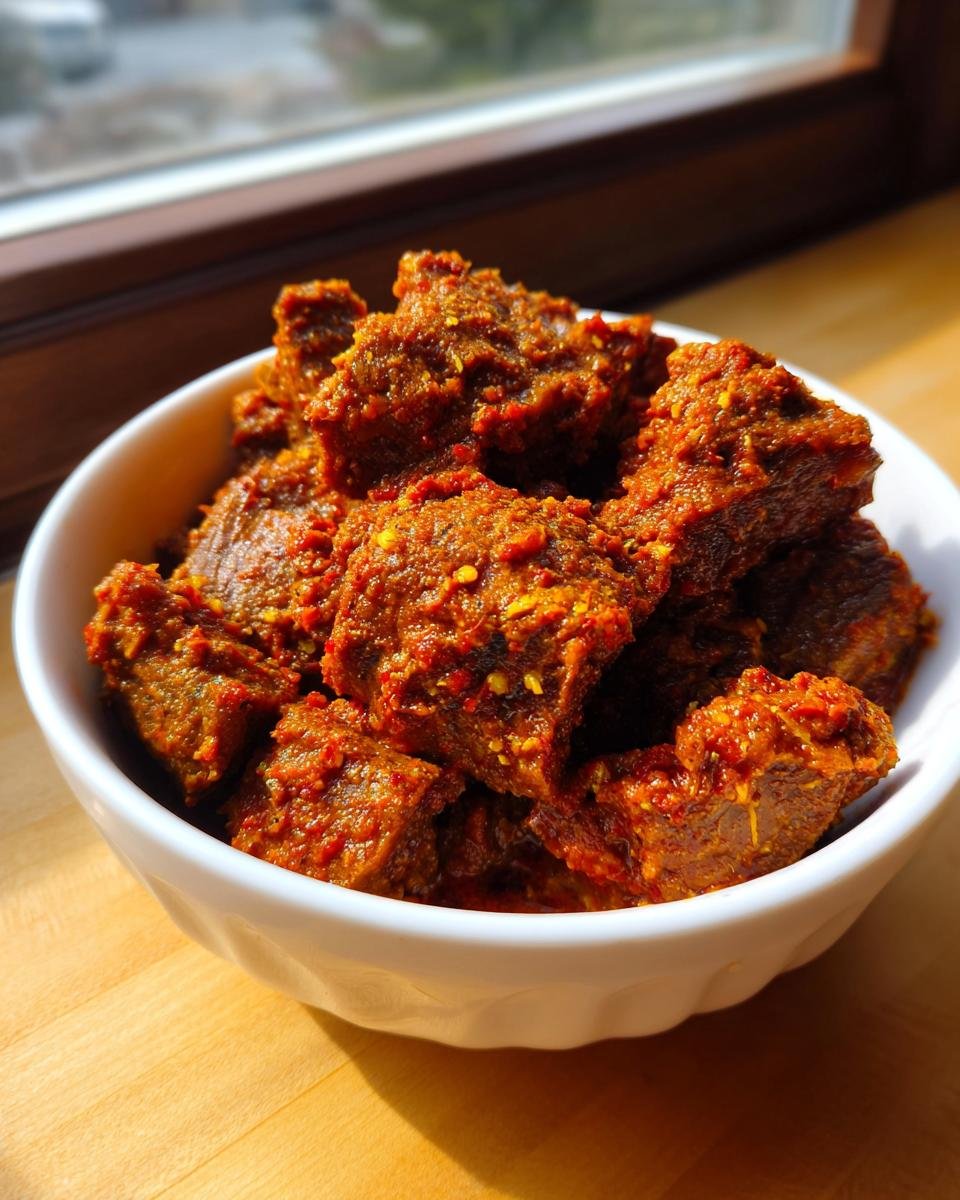
We finish with a can of diced tomatoes and just 1 cup of liquid—I prefer stock for richness, but water is fine. And never forget the fresh cilantro for garnish—it brightens everything up at the very end. It’s a simple list, but every component plays its part beautifully.
Step-by-Step Instructions for Perfect Lamb Madras Curry
Okay, this is where the magic happens, but we have to respect the process. It isn’t hard, but rushing the first steps will give you flavorless, grey lamb, and we absolutely cannot let that happen! We need deep, brown flavor developing right from the start. Once the foundation is set, though, you can basically walk away and let this rich curry become everything you dreamed of.
Preparing and Browning the Lamb for Your Lamb Madras Curry
First things first: grab those 1-inch lamb cubes and season them up with a good pinch of salt. Don’t overthink it right now; we’re just getting them ready for the hot oil. Heat up your big pot or Dutch oven with the vegetable oil over medium-high heat. You want that oil shimmering right before you drop the meat in. Now, here is my **Expert Tip**: Don’t dump all the lamb in at once! You need to brown it in batches.
If you overcrowd your pot, the temperature drops instantly, and the meat starts to steam instead of sear. We want a dark crust! Give each batch a few minutes per side until it’s nicely browned, then pull those gorgeous pieces out and set them aside. Yes, it feels like extra work, but that fond—all those browned bits stuck to the bottom—that’s pure, unadulterated flavor. See? Even tough stove-top cooks like braised Italian pot roast rely on this browning!
Building the Spice Base for Your Lamb Madras Curry
Once all the lamb is resting happily outside the pot, turn the heat down just a bit to medium. Time for the onions. Add them to the remnants of the oil and lamb juice. Cook them down slowly for about 8 minutes until they are soft, translucent, and hopefully just starting to take on some of that brown flavor from the bottom of the pot.
Right after the onions are soft, toss in your minced garlic and grated ginger. You only need about 60 seconds here—just long enough until you can really smell them. Now, lean in and pay attention: Lower the heat slightly and add all your dry spices: the turmeric, cumin, coriander, that Madras curry powder, and your chili powder! You must stir this constantly for one minute. This is called blooming the spices, and it toasts them to release their oils. If you let them scorch, the whole pot goes bitter, so keep them moving!
Simmering the Lamb Madras Curry to Tenderness
Okay, put the brown, beautiful lamb back into the pot. Pour in the can of diced tomatoes—don’t drain them, we need that liquid! Then add your cup of water or stock. Give everything a really good stir to combine it all and scrape up any last remaining spice bits from the bottom. Bring the whole thing up to a gentle simmer.
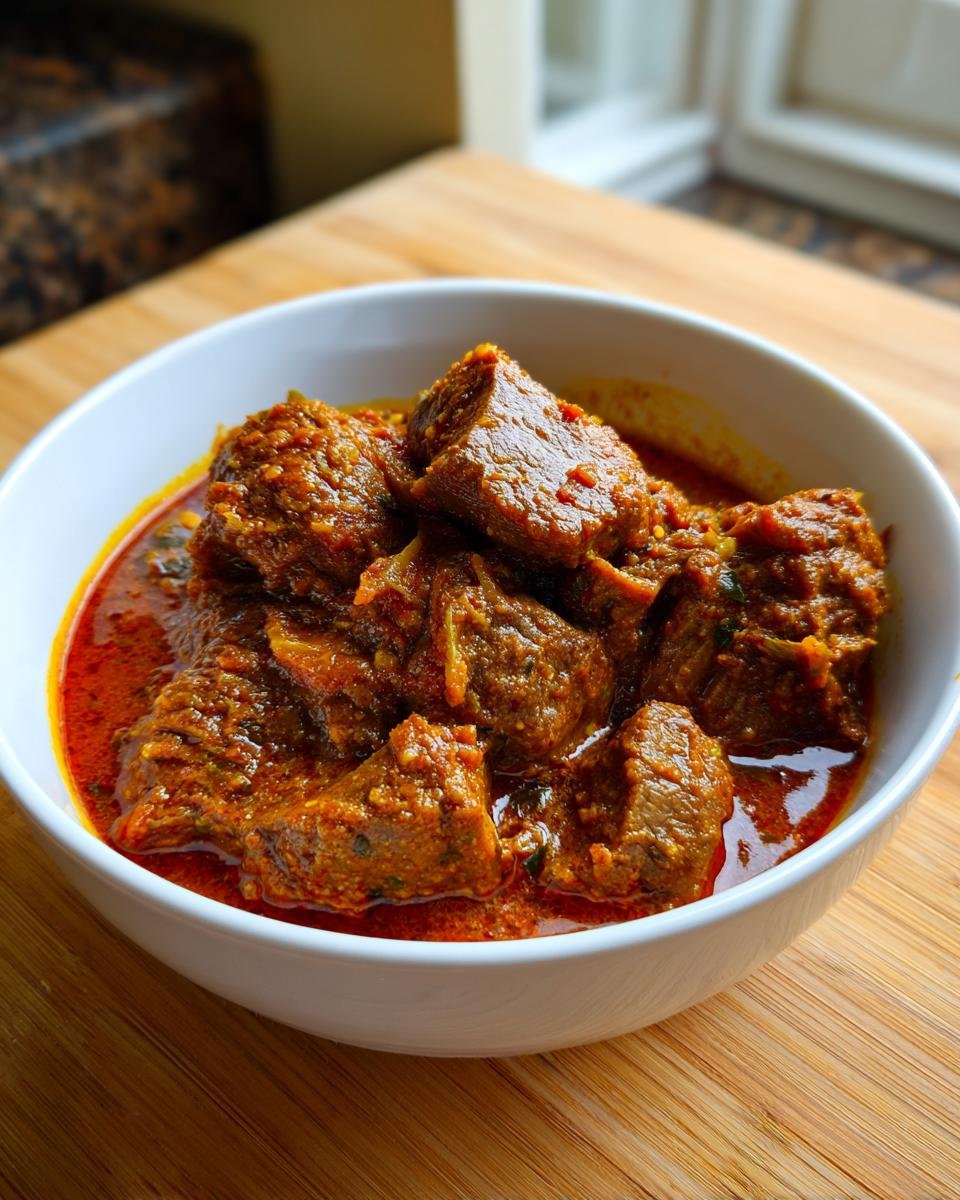
Once it’s bubbling gently, turn the heat way down to low, cover the pot tightly, and let it do its thing. This needs at least **1.5 hours**, but aim for 2 hours. You want that gorgeous, fork-tender texture. I check it after an hour and a half, and if the sauce seems a little too thin for my liking, I’ll take the lid off for the final 30 minutes of cooking. This lets the steam escape and thickens the sauce naturally. Before you serve, definitely taste it! If it needs more salty punch, add a sprinkle now. That’s the final touch before garnishing with cilantro.
Expert Tips for Mastering Your Lamb Madras Curry
You’ve got the basics down now, but let’s talk about making this Lamb Madras Curry truly shine on days you’re feeling extra ambitious. The biggest flavor decision you’ll face is the liquid. I highly recommend using lamb stock instead of water if you can find it; it just deepens that savory background flavor immensely. That’s one of those little secrets that makes a huge difference, much like avoiding one critical mistake in baking, which you can read about here: a mistake to avoid for homemade perfection.
When it comes to heat, taste as you go! If you’re worried about it being too spicy after the simmer, stir in a tiny dollop of plain yogurt or a splash of heavy cream right at the end—it cools the heat without flattening the flavor profile. Remember, even if your spice levels aren’t perfect the first time, the tenderness of the lamb will still win everyone over!
Ingredient Notes and Substitutions for Lamb Madras Curry
When you’re cooking traditional dishes like this, you might find yourself missing one specific jar in your spice rack. Don’t panic! This Lamb Madras Curry is forgiving, even if you have to swap a few things out. If you can’t find that specific Madras curry powder—which is usually a bit hotter and tangier than standard blends—you can whip up a substitute fairly easily.
My go-to swap for Madras powder is combining about 3/4 teaspoon of a very hot standard curry powder with 1/4 teaspoon of paprika. The paprika gives it a nice color boost and mellows the edge just enough. If you want to get truly adventurous with your stock flavor, check out this trick for making your own bouillon cubes—it’s amazing for slow cooks like this! Homemade bouillon cubes hack.
Now, about the lamb. The shoulder is my absolute favorite because it has just the right amount of fat to stay moist during that long simmer. If you don’t have shoulder, leg of lamb works fine, but you might need to keep an eye on it closer to the 1.5-hour mark, as larger, leaner cuts can dry out faster. Just make sure whatever cut you choose is trimmed into uniform 1-inch pieces so everything tenderizes evenly!
Serving Suggestions for Your Lamb Madras Curry
The sauce is the star of this show, plain and simple. You don’t want those beautiful spices and tender shreds of lamb going to waste, so you need the perfect vehicle to soak up every last drop! For me, there are two non-negotiables when serving this Lamb Madras Curry.
First up has to be rice. Steamed basmati is traditional, but boy, does this curry sing when it meets a slightly richer grain!
- Plain, fluffy, steamed rice is always a winner.
- If you want to get fancy, a flavorful side like this simple coconut rice adds a lovely subtle sweetness that complements the heat of the Madras perfectly.
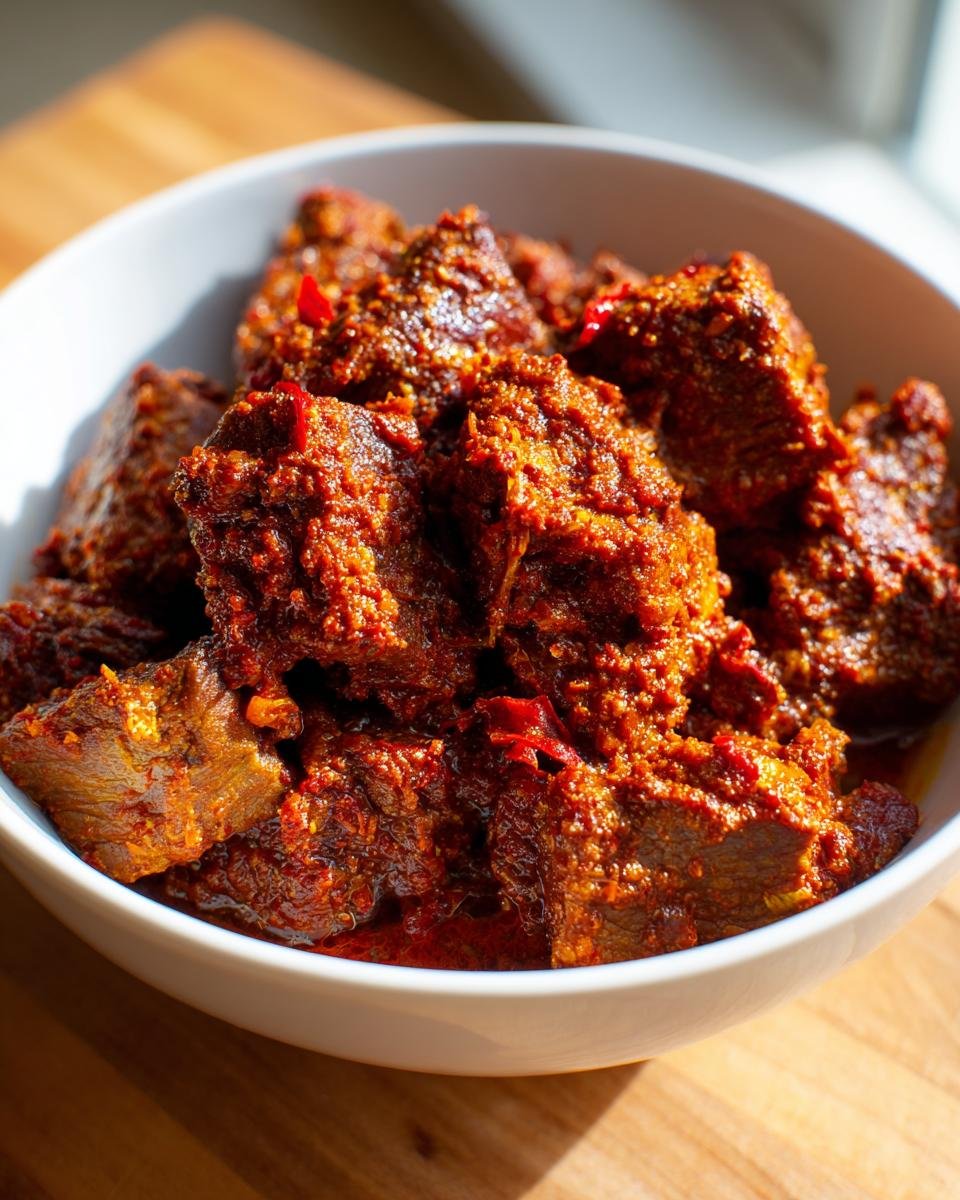
Second, you absolutely need some fresh, warm naan bread. Poking holes in it before gently warming it up makes it wonderfully soft and pillowy. Tear off a piece, scoop up a hearty portion of the curry—meat, sauce, and all—and enjoy that perfect bite. It’s honestly the best way to finish the meal!
Storage and Reheating Instructions for Leftover Lamb Madras Curry
You know, sometimes leftovers are even better the next day, and this Lamb Madras Curry is definitely one of those dishes! Once the flavors have had a good night to mingle in the fridge, you’ll find the spice deeper and the sauce even richer. That’s why I always make sure to double the recipe!
Storing it is super straightforward. Make sure the curry has cooled down just slightly—never put very hot food straight into the fridge, as it can raise the temperature of everything else in there. Once it’s just warm, divide the curry into shallow, airtight containers. I prefer the shallower ones because they cool down faster, which is safer and better for texture retention. You can keep them happily in the refrigerator for about three to four days.
When it’s time to reheat—and if you’re planning ahead, check out this neat trick for making gravy ahead of time!—I always recommend the stovetop method. Transfer the amount you want to eat into a saucepan. Add a tiny splash of water or stock—maybe a tablespoon or two—just to loosen it up a bit, since it will have thickened considerably overnight.
Heat it slowly over medium-low heat, stirring gently every minute or so. You want it to wake up gently, not boil aggressively. If you blast it on high heat, you might end up toughening up the lamb again, and we worked hard for that tenderness!
If you’re in a serious rush, the microwave works, but use medium power instead of high and take it out to stir it halfway through the heating time. Either way, always give it a final taste check before serving. It might need a tiny pinch more salt after chilling, but you shouldn’t need to adjust the spices much!
Frequently Asked Questions About Lamb Madras Curry
It’s funny how often people ask similar things when they make a recipe the first time. I’ve gathered up the three most common questions I get about getting this Lamb Madras Curry just perfect. Hope these help clear up any last doubts before you start cooking!
How can I make this Lamb Madras Curry milder?
This is a big one, since Madras leans toward the spicier side! If you want to seriously dial back the heat without losing the curry flavor, the chili powder is your main control lever. I’d cut the chili powder completely or use only 1/4 teaspoon if you’re sensitive. Also, try reducing the Madras curry powder slightly, maybe to 3/4 teaspoon, since that blend often carries the heat.
If you taste it toward the end and it’s still too fiery, don’t worry! Just stir in a tablespoon or two of plain, full-fat yogurt or a splash of heavy cream right when you reheat it. It instantly cools the burn down beautifully. If you have any other burning questions, feel free to reach out to us on the contact page: contact us here.
Can I pressure cook this Lamb Madras Curry?
Absolutely! If you have an Instant Pot or a stovetop pressure cooker, you can definitely shave a lot of time off that 2-hour simmer, which is great for busy evenings. The browning and spice blooming steps need to happen first, just as written. Once you add the lamb, tomatoes, and stock, seal the lid.
For lamb shoulder, cook it under high pressure for about **35 minutes**, followed by a natural pressure release for 10 minutes before venting the rest. That should get you that same melt-in-your-mouth texture you get from the slow simmer, just much faster. Just remember to keep the lid off for the last few minutes if you need to reduce the sauce at the end!
Is lamb shoulder the only cut that works for Lamb Madras Curry?
Not at all! While I sing the praises of shoulder because that extra connective tissue breaks down perfectly over two hours to thicken the sauce, you have options. Leg of lamb is a great second choice, but you need to treat it slightly differently. Since leg meat is leaner, you might want to reduce that low-and-slow simmer time down to about 90 minutes total, or stick to the pressure cooker suggestion above.
Just remember you’ll need to add an extra splash of oil or perhaps a little tomato paste during the onion softening stage (Step 3 in the instructions) if you notice the sauce thinning out too much without the natural fat rendering from the shoulder cut.
Nutritional Estimate for Your Lamb Madras Curry
I always tell people that homemade food tastes better *and* you know exactly what went into it, which is a huge win! This recipe, being slow-cooked with whole ingredients, is naturally rich in protein from the quality lamb shoulder we use. But, you know, since we aren’t adding heaps of cream or loads of extra oil (we’re just using 2 tablespoons for the whole batch!), the numbers stay pretty reasonable.
Remember, these figures are just my best estimate based on the quantity of lamb, oil, and tomatoes listed. If you swap out the lamb for chicken or use less oil, those numbers will shift! If you want to dive deeper into general health awareness, I found this piece really helpful as a baseline: know this about your health for peace of mind.
Here’s the general breakdown for one serving of this delicious Lamb Madras Curry:
- Serving Size: 1 serving
- Calories: 450
- Protein: 40g (Wow, packed with it!)
- Fat: 25g total (with 9g being saturated)
- Carbohydrates: 15g (where 4g is coming from fiber!)
- Sugar: 8g
- Sodium: 350mg
- Cholesterol: 110mg
See? A truly satisfying, medium-hot dinner that keeps you fueled without weighing you down too much!
Print
Lamb Madras Curry
- Total Time: 140 min
- Yield: 4 servings 1x
- Diet: Halal
Description
A recipe for a medium-hot Indian curry featuring tender lamb.
Ingredients
- 2 lbs lamb shoulder, cut into 1-inch cubes
- 2 tablespoons vegetable oil
- 2 large onions, finely chopped
- 4 cloves garlic, minced
- 1 inch ginger, grated
- 1 teaspoon turmeric powder
- 1 teaspoon cumin powder
- 1 teaspoon coriander powder
- 1 teaspoon Madras curry powder
- 1/2 teaspoon chili powder (adjust to taste)
- 1 (14.5 ounce) can diced tomatoes, undrained
- 1 cup water or lamb stock
- Salt to taste
- Fresh cilantro, chopped, for garnish
Instructions
- Season the lamb cubes with salt.
- Heat the oil in a large pot or Dutch oven over medium-high heat. Brown the lamb in batches, then set aside.
- Reduce heat to medium. Add the chopped onions to the pot and cook until softened, about 8 minutes.
- Add the garlic and ginger. Cook for 1 minute until fragrant.
- Stir in the turmeric, cumin, coriander, Madras curry powder, and chili powder. Cook for 1 minute, stirring constantly.
- Return the lamb to the pot. Add the diced tomatoes and water or stock. Stir well.
- Bring the mixture to a simmer. Reduce heat to low, cover the pot, and cook for 1.5 to 2 hours, or until the lamb is very tender. Stir occasionally.
- Remove the lid for the last 30 minutes of cooking if you prefer a thicker sauce.
- Taste and adjust salt as needed.
- Garnish with fresh cilantro before serving.
Notes
- For a richer flavor, brown the lamb in batches and do not overcrowd the pot.
- If you do not have Madras curry powder, you can substitute with a mix of hot curry powder and paprika.
- Serve with rice or naan bread.
- Prep Time: 20 min
- Cook Time: 120 min
- Category: Dinner
- Method: Stovetop Simmering
- Cuisine: Indian
Nutrition
- Serving Size: 1 serving
- Calories: 450
- Sugar: 8
- Sodium: 350
- Fat: 25
- Saturated Fat: 9
- Unsaturated Fat: 16
- Trans Fat: 0
- Carbohydrates: 15
- Fiber: 4
- Protein: 40
- Cholesterol: 110
Keywords: Lamb Madras Curry, Indian curry, spicy lamb stew, medium-hot curry, slow-cooked lamb