
When you need a dinner that hugs you from the inside out, nothing beats that rich, slow-cooked depth you only get from tender meat swimming in spices. I remember the first time I seriously nailed a traditional curry; it was this glorious **Lamb Kalya**. Honestly, it intimidated me at first—all those layers of flavor seemed way too complicated for a Tuesday night.
But I figured out the secret: it’s not about adding fifty different things; it’s about time and technique! This recipe you’re about to see is my absolute go-to guide for making the most authentic, melt-in-your-mouth Lamb Kalya without making a whole day of it. We’re using simple pantry spices, but we’re treating them right, especially those onions and the yogurt. Trust me, once you pull this off, you’ll be making it every week!
Why This Lamb Kalya Recipe Stands Out
I’ve tried enough curries over the years to know when a recipe is just phoning it in, and this Lamb Kalya is the opposite! It delivers that deep, soulful flavor you expect from hours in the kitchen, but we get there so much faster. It’s all about layering those basic spices correctly. Even though this is a slow-cooked dish, the prep itself is surprisingly quick, which is why I keep coming back to it for weeknight luxury.
What makes this version my absolute winner? Well, look:
- The meat turns out fall-apart tender, and that’s non-negotiable for me.
- It uses spices I already keep stocked in my spice rack right now. No emergency store runs!
- It truly tastes like the authentic, slightly tangy Lamb Kalya my favorite restaurant used to serve back in the day.
If you’re looking to try something incredibly rewarding without needing to hunt down specialty ingredients, this is it. I linked over to a great Italian pot roast recipe in case you want another slow-cooker victory, but this Kalya is where true comfort lives.

Authentic Flavor Profile for Your Lamb Kalya
The real magic here happens toward the beginning and the very end. You absolutely must take the time to brown those onions until they are deeply golden brown—almost the color of dark caramel, but careful not to let them scorch! That color is crucial for the base flavor. Then, after the meat is browned and simmered low and slow with the tomatoes and yogurt, those spices meld together until the whole pot smells heavenly. The addition of yogurt right before the long simmer makes the sauce rich and slightly acidic, which cuts through the richness of the lamb beautifully.
Simplicity in Preparing Lamb Kalya
Don’t let the ingredient list fool you into thinking this is complicated. Aside from the lamb, everything else is just turmeric, chili, cumin, and coriander powder—the usual suspects! You don’t need any fancy fresh herbs or pastes you’ll use once and forget about. The beauty of this everyday approach is that you can get all your spices bloomed and the meat seared in about 20 minutes, making the remaining 90-minute cook time totally hands-off. It’s straightforward cooking with massive payoff.
Essential Ingredients for Perfect Lamb Kalya
Okay, let’s talk lineup. When you are making something traditional like this Lamb Kalya, the ingredients don’t need to be fancy, but they *do* need to be right. Using the correct measurements and quality cuts means the difference between a decent curry and a show-stopper. I’ve listed everything you need for four generous servings, but pay close attention to how those aromatics are chopped—that matters!
- Lamb: You’ll need about 1 kilogram. I usually use bone-in shoulder pieces that are cut into roughly 1.5-inch chunks. The bones give the sauce so much more body, but boneless chunks work fine if that’s what you have on hand.
- Onions: Two large ones, and they need to be sliced *thinly*. This is key because those thin slices need to completely break down into the sauce as they cook.
- Tomatoes: Four, pureed. I just blend mine fresh in the blender until completely smooth.
- Yogurt: Half a cup of plain yogurt. Make sure it’s full-fat if you can; it just enriches the sauce better.
- Aromatics: Two tablespoons of ginger-garlic paste. If you have fresh ginger and garlic, please blend them up! The pre-made stuff is fine in a pinch, but fresh sings.
- The Spice Brigade: Turmeric, chili powder, coriander powder, and cumin powder—one teaspoon of each to start.
- Finishing Touches: Garam masala (half in the middle, half at the end!), salt, four green chilies slit lengthwise, and half a cup of regular cooking oil.
If you were feeling extra ambitious, you could swap the ground cumin and coriander for whole seeds toasted and ground yourself, but that’s for another day! If you’re worried about the yogurt splitting later on, make sure it’s at room temperature before you even think about mixing it in.
Ingredient Notes and Substitutions
The ingredient that gets the most attention from me, besides the lamb itself, is the oil. Yes, half a cup sounds like a lot, but remember: we need that oil to separate from the tomatoes later on to show us the base is cooked perfectly, and it helps everything brown nicely. Don’t be tempted to skimp too much or you’ll end up with a gray-looking curry base!
Speaking of spices, if you don’t have pre-made ginger-garlic paste, just use equal parts fresh ginger root and garlic cloves, grated super fine or pulsed in a mini-processor. As for the lamb cut, tough cuts like shoulder or leg actually benefit most from this slow Kalya cooking process. If you used lamb loin, it would dry out long before everything else was tender, so stick to the stewing cuts!
If you happen to be out of a stock cube or something to boost savoriness, I actually have a fun little hack for making your own quick savory boosters, but honestly, between the browned onions and tomato base, this Kalya usually doesn’t need it!
Step-by-Step Instructions for Lamb Kalya
Alright, this is where the magic happens. You’ve got your ingredients ready, you’re rocking a heavy-bottomed pot—maybe a Dutch oven like the ones I use for my famous pot roasts—and now we build the foundation. Don’t rush the first few parts; that slow, gentle cooking is what turns simple ingredients into something legendary.
The goal is tender lamb in about 90 minutes of simmering time. Keep the heat low once we get to the covered cooking stage. If you check it after an hour and it’s still tough, just put the lid back on and give it more low, slow love. That’s my number one pro-tip for tenderness!
Building the Flavor Base: Onions and Spices
First things first: heat up that oil over medium heat. It needs to be ready for the onions. Add those thinly sliced beauties and cook them down. I mean *cook them down*. You want them soft, sweet, and deeply golden brown. If they look pale, keep going! This step is crucial for the color and flavor of your Lamb Kalya.
Next, dump in that ginger-garlic paste. Sauté it for just 60 seconds. You’re cooking off that sharp raw edge. Now, prepare for the aroma explosion! This is when you add your powdered spices: turmeric, chili powder, coriander, and cumin. Stir constantly for one minute while they hit that hot oil. This little process is called blooming, and trust me, it wakes up every single spice molecule. Don’t let them burn; if you smell acrid smoke, pull the pot off the heat immediately!
Simmering the Lamb Kalya to Tenderness
Once your spices are singing, toss in the lamb pieces and sear them a bit on all sides. Then, stir in the tomato puree and the salt. We have to cook this mixture until you see the oil start to float up and separate from the tomato mixture—that tells you the raw notes are gone and the base is locked in place.
Here’s where we get creamy! Whisk your yogurt until it looks smooth, almost like a thin sauce itself, and stir it quickly into the pot. Mix it well, add your slit green chilies, and about half of your garam masala. Now, cover that pot, turn the heat way down to low, and let that lamb steam and simmer for about an hour and a half. If it looks like it’s getting too thick and threatening to stick, add just a tiny splash of water—remember, we want a thick curry, not a soup!
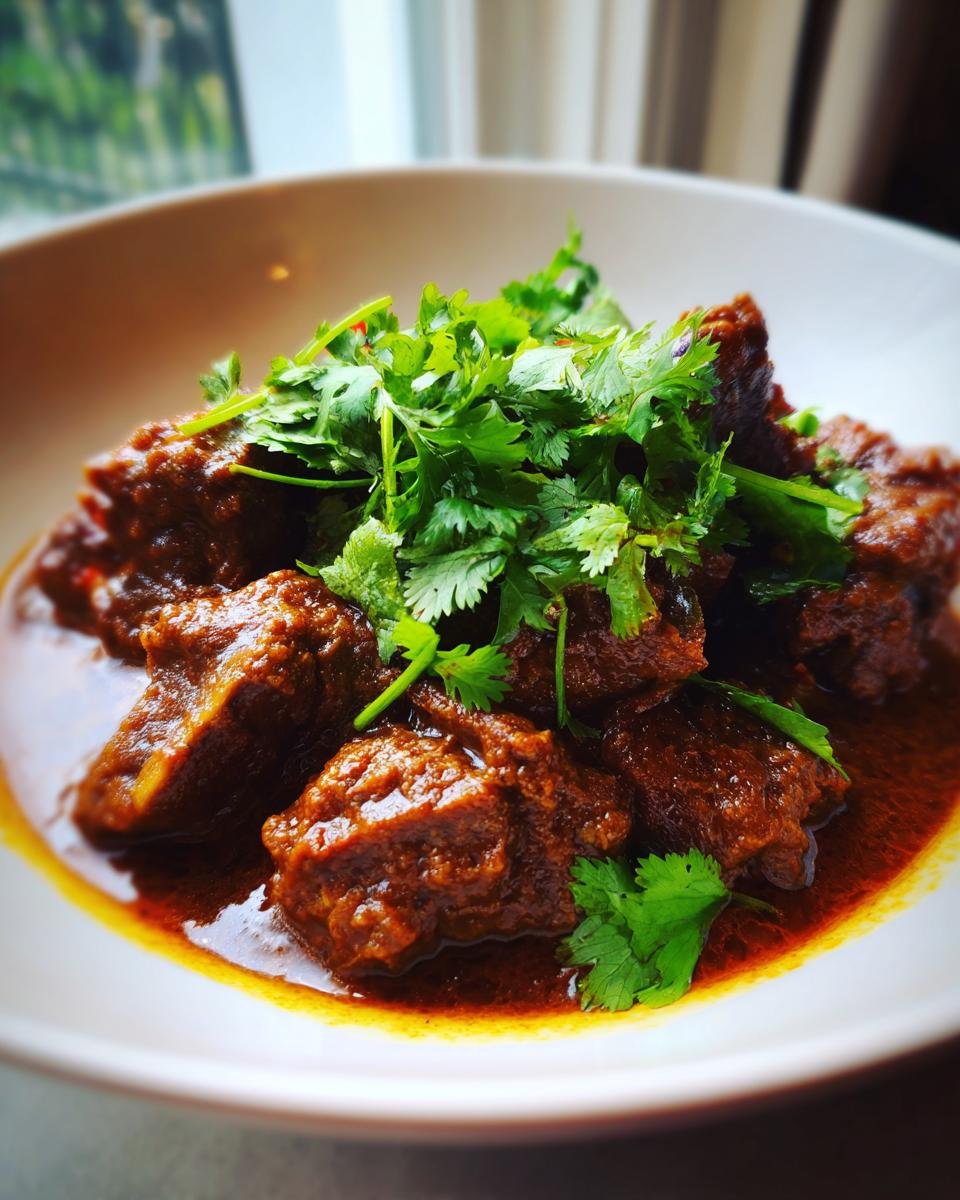
In the last ten minutes, sprinkle in the remaining garam masala. This keeps that final burst of fragrance sharp. Once the lamb is fork-tender—and you must check it!—garnish with fresh coriander and serve it hot. Perfection!
Tips for Making Your Best Lamb Kalya Ever
Even though the basic steps for this Lamb Kalya are dead simple, the difference between ‘good’ and ‘amazing’ is often the stuff you do *around* the cooking. I’m not talking about fancy equipment—though if you need another slow-cook inspiration, check out this wonderful slow cooker beef stew recipe—I’m talking about letting the food rest and being intuitive about consistency.
My biggest recommendation, and this is something my aunt always insisted on, is to never serve Lamb Kalya straight off the stove, even if it passed the tenderness test an hour ago. The curry flavors need time to calm down and really marry into the meat. Honestly, this dish is about a thousand times better the next day. When you let it cool completely and refrigerate it overnight, the spices settle in, the fat congeals over the top (so you can easily skim excess oil later if you want!), and the texture of the sauce thickens beautifully.
When reheating, don’t blast it on high; cook it gently on low, adding a tiny splash of water or broth if it seems too tight. The lamb has already absorbed all the moisture it needs, so you’re just waking the flavors back up.
Also, about consistency: if you cook it down and it’s still too thin, take the lid off for the last 15 minutes of simmering and stir occasionally. The steam needs to escape so the sauce concentrates. Conversely, if you realize halfway through that you overcooked the liquid and it’s looking like a paste, that’s when you rescue it! Add warm water—never cold water, which shocks the meat—one small ladle at a time until you get that lovely, rich, clinging gravy consistency we want. Good cooking is all about quick adjustments, right?
Serving Suggestions for Lamb Kalya
So, you’ve managed to create the most tender, aromatic Lamb Kalya—amazing! Now, what do you serve it with? This isn’t a curry you want to eat on its own, though I have definitely snuck spoonfuls when no one was looking!
Traditionally, you need something sturdy to soak up every last bit of that gorgeous, orange-tinged gravy. My first go-to is always warm naan or soft roti. If you prefer rice, a simple bed of fluffy, plain steamed rice works perfectly. If you’re feeling a little extra inspired, you should absolutely try making a batch of simple coconut rice; the mild sweetness is a fantastic foil for the spices in the Kalya. Either way, make sure you have enough bread or rice ready to mop up the plate!

Storage and Reheating Instructions for Leftover Lamb Kalya
This is one of those magical dishes that tastes even better the next day after all those spices have had a chance to go swimming together overnight. I always make a double batch just so I have leftovers for lunch!
For refrigeration, let your Lamb Kalya cool down completely on the counter first. Don’t cover it while it’s hot, or you’ll create steam and make it watery. Once it’s cool—and this might take a couple of hours—transfer it to an airtight container. It will keep beautifully in the fridge for three to four days. The sauce will definitely thicken up when it gets cold, but don’t worry, that’s totally normal!
If you need to freeze it, this holds up like a champion. Portion the curry into freezer-safe containers, leaving about an inch of space at the top because liquids expand. It will last perfectly fine in the freezer for up to three months. You can check out some great tips on making ahead sauces which works perfectly here too.
Waking Up Leftover Lamb Kalya Flavor
Reheating is where you need to be patient again, just like cooking it the first time. You want to warm it gently. Dump your desired portion into a pot over low to medium-low heat. Immediately stir in a small splash of warm water or thin broth—just enough to loosen up that thickened gravy.
Stir it really well every few minutes as it comes up to temperature. Avoid the microwave if you can, as it tends to heat unevenly and can make the lamb chewy. When gently warmed on the stovetop, the lamb stays tender, and the sauce returns to its perfect, clinging consistency. If you notice it’s still too thick after ten minutes of simmering, add another tiny splash of warm water until it looks right. Serve it piping hot with fresh naan, and honestly, I can never tell it’s a leftover!
Frequently Asked Questions About Lamb Kalya
I always get a ton of questions once people start trying this out, and that’s fantastic! It means you guys are cooking! Here are a few things I hear most often about getting that perfect slow-cooked lamb curry result.
Can I make this Lamb Kalya recipe ahead of time?
Oh, please do! I actually *prefer* it the next day. This slow-cooked lamb recipe is definitely one of those dishes where the flavors deepen and get richer after a full night in the fridge. All the spices, the tangy yogurt, and the tender meat just mingle deliciously when they have time to sit. Just let it cool, store it right, and when you reheat it gently on the stove with a splash of warm water, it’s even better than when it was fresh off the heat!
What is the difference between Lamb Kalya and other lamb curries?
That’s a great question, especially if you are new to South Asian cooking! While many wonderful lamb curries rely heavily on coconut milk or richer, thicker cream bases, the Lamb Kalya style really leans into the savory tang provided by the yogurt. That yogurt is beaten until smooth and added carefully before the long simmer. It’s this combination—the yogurt tang plus the deep browning of the onions—that defines the characteristic profile of a great Kalya compared to, say, a smoother Korma or a drier Bhuna. If you’re looking for a traditional mutton curry that balances richness with a bright finish, this is it!
I also get asked if people can adapt this for poultry, which is hilarious, but I suppose you could if you totally changed your approach—though I’d stick to testing this recipe with lamb for authenticity! Have you ever tried making meatballs? My sister uses a lighter hand with spices when she makes her meatball substitutes, but for this depth of flavor, stick to the lamb!
Estimated Nutritional Snapshot
Now, I know some of you amazing cooks out there are tracking things closely, and that’s smart! When you’re cooking something rich like this slow-cooked Lamb Kalya, it’s good to have an idea of what you’re eating. I looked over the main ingredients—the lamb, the oil, the yogurt—and put together a rough estimate for you based on four standard servings. Just remember, folks, these numbers are just a guideline!
The final calorie and fat counts can swing wildly depending on how much oil you use, whether you use bone-in or completely lean boneless lamb, and what percentage fat your yogurt is. Treat this as a helpful starting point, but don’t stress too much; the joy of this dish is in the incredible flavor, not the micro-tracking. If you want to lighten it up, I always suggest pairing it with something low-cal, like skipping the naan and going heavy on a side of greens, or checking out this great light fat-burning soup on the side!
Here is the breakdown for one serving, based on the standard recipe amounts:
- Calories: Approximately 450 (This is a hearty portion, but packed with protein!)
- Fat: Around 28 grams (A good chunk of this comes from the lamb and the initial oil needed for browning.)
- Protein: About 35 grams (That slow-cooked lamb is working hard for you!)
- Carbohydrates: Roughly 15 grams (Mostly from the onions and tomatoes pulling everything together.)
- Sodium: Around 350mg (This is before you add extra salt at the table, so be mindful!)
The breakdown shows you this is a wonderful, protein-forward main meal. Just remember, if you scrape all that delicious fat off the top when you reheat it the next day, your numbers will look even better. Happy cooking, everyone, and don’t forget to enjoy the slow simmer!
Share Your Lamb Kalya Creations
Whew! We made it through the whole process, from browning those onions to smelling that gorgeous garam masala finish. Now comes my favorite part: hearing from you! I genuinely love seeing your kitchen successes (and maybe the occasional happy disaster, we all have them!).
If you followed along with this Lamb Kalya recipe, please do me a huge favor and come back here to let me know how it went. Did your lamb get super tender? Did you use bone-in or boneless? Drop your rating down below—even a simple five-star rating tells me this recipe is living up to its promise!
And if you snapped a photo while serving it alongside some amazing naan or rice, tag me on social media! It makes my day to see this traditional dish showing up on modern tables. If you’re looking for more main dish inspiration for your next cooking adventure, you can always browse my full collection of incredible main dishes right here on the site. Happy cooking, and thanks for trying out my favorite slow-cooked comfort food!
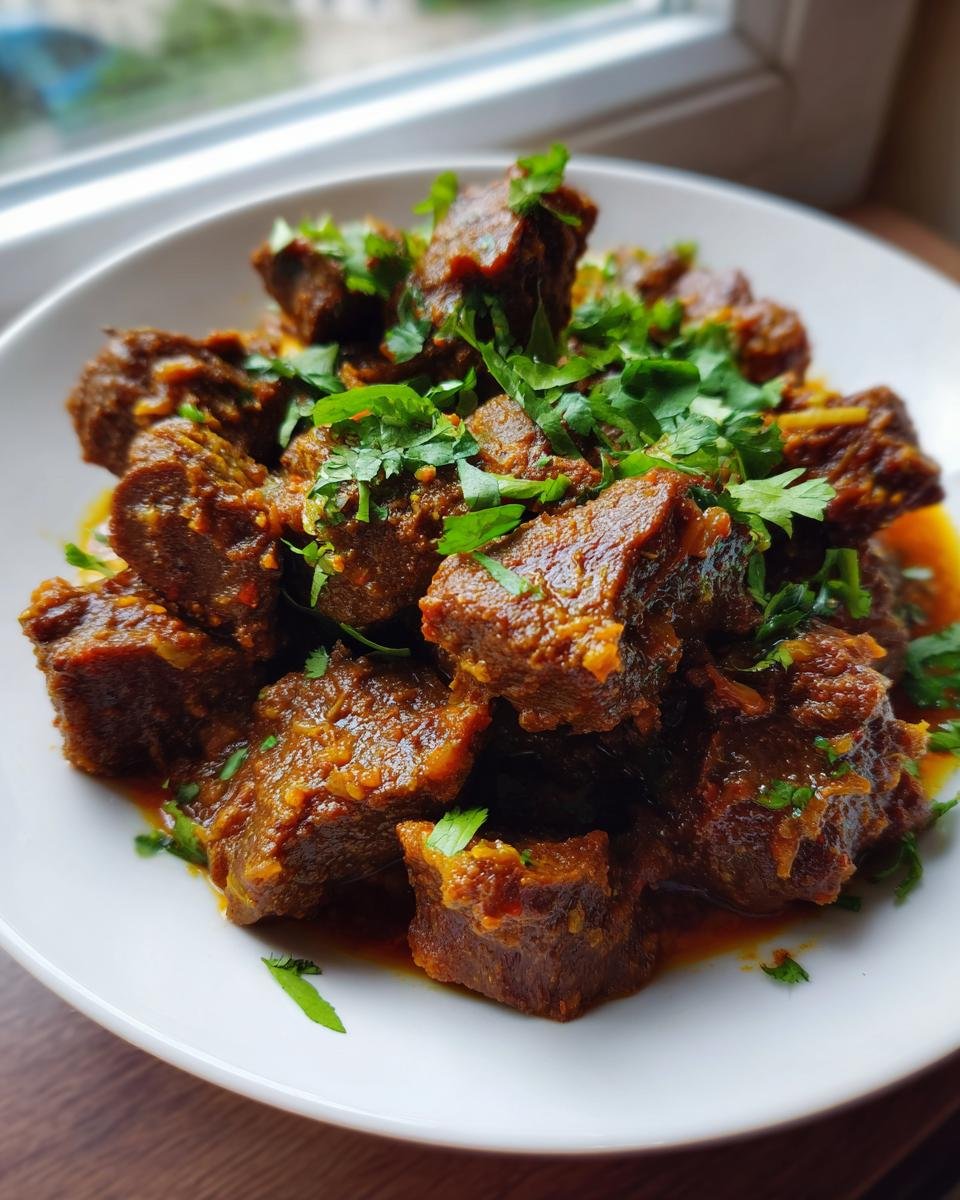
Lamb Kalya
- Total Time: 110 min
- Yield: 4 servings 1x
- Diet: Halal
Description
A simple recipe for traditional Lamb Kalya, a flavorful slow-cooked lamb curry.
Ingredients
- 1 kg lamb, cut into pieces
- 2 large onions, thinly sliced
- 4 tomatoes, pureed
- 1/2 cup yogurt
- 2 tablespoons ginger-garlic paste
- 1 teaspoon turmeric powder
- 1 teaspoon red chili powder
- 1 teaspoon coriander powder
- 1 teaspoon cumin powder
- 1 teaspoon garam masala
- 4 green chilies, slit
- 1/2 cup cooking oil
- Salt to taste
- Fresh coriander for garnish
Instructions
- Heat the oil in a heavy-bottomed pot or Dutch oven over medium heat.
- Add the sliced onions and cook until they turn golden brown.
- Add the ginger-garlic paste and sauté for one minute until the raw smell disappears.
- Add the turmeric powder, red chili powder, coriander powder, and cumin powder. Cook the spices for one minute, stirring constantly.
- Add the lamb pieces and brown them on all sides.
- Stir in the tomato puree and salt. Cook until the oil separates from the mixture.
- Whisk the yogurt until smooth and add it to the pot. Mix well.
- Add the slit green chilies and half of the garam masala.
- Cover the pot, reduce the heat to low, and let the lamb simmer slowly for 1 to 1.5 hours, or until the lamb is tender. Add a little water if the curry becomes too dry during cooking.
- Stir in the remaining garam masala during the last 10 minutes of cooking.
- Garnish with fresh coriander before serving.
Notes
- For richer flavor, brown the onions deeply but do not burn them.
- You can use bone-in or boneless lamb pieces.
- Adjust the amount of chili powder based on your spice preference.
- Prep Time: 20 min
- Cook Time: 90 min
- Category: Main Course
- Method: Stovetop Simmering
- Cuisine: South Asian
Nutrition
- Serving Size: 1 serving
- Calories: 450
- Sugar: 8
- Sodium: 350
- Fat: 28
- Saturated Fat: 10
- Unsaturated Fat: 18
- Trans Fat: 0
- Carbohydrates: 15
- Fiber: 4
- Protein: 35
- Cholesterol: 110
Keywords: Lamb Kalya, lamb curry, slow-cooked lamb, South Asian recipe, mutton curry