
Oh, I hear you! Those weeknights when you stare into the fridge, and the only thing screaming back is the dreaded beige pile of “should I order takeout?” Trust me, I’ve been there hundreds of times. That’s why this Gochujang Chicken Bowl has completely taken over our rotation. It’s our secret weapon against dinner fatigue!
When I first tried a version of this, I was hooked on the sweet heat. It’s honestly ridiculously fast—less time than delivery takes, which is huge for me. My husband now knows when I’m making this spicy, savory chicken bowl, it means we’re having a seriously flavorful meal without having to break out a ton of pots and pans. If you’re looking for that perfect quick flavor bomb, this is it. You simply have to try this recipe!

If you’re looking for other quick ideas, I’ve been compiling some amazing fast dinners over on my favorites page, like this killer chicken stir-fry.
Why This Gochujang Chicken Bowl Is Your New Weeknight Hero
Honestly, the best recipes are the ones that don’t require me to spend an hour washing dishes afterward, right? This bowl is perfect because it ticks all the boxes: massive flavor, minimal effort, and it’s done before you’ve even thought about ordering takeout. That spicy, sweet, savory combination just hits different after a long day.
It’s not just fast; it’s strategically fast. We’re looking at maximum impact flavor with minimum clean-up fuss. Take a peek at how quick this comes together:
- Incredible balance: That amazing blend of spicy gochujang, sweet honey, and savory soy sauce sings together.
- Super speedy: Seriously, you’ll be eating in under 30 minutes flat!
If you need even more quick hitters for busy days, check out my guide to other great chicken meals that come together in a dash.
Quick Prep and Cook Times for the Gochujang Chicken Bowl
This is where this recipe seriously shines. You only need 10 minutes of prep time, mostly just chopping veggies and whisking sauce. Then, we cook it up in about 15 minutes on the stovetop. Yep, 25 minutes total until this vibrant, delicious Gochujang Chicken Bowl is staring up at you from the plate. Tell me that’s not the definition of weeknight success!
Ingredients Needed for Your Flavorful Gochujang Chicken Bowl
Okay, let’s talk building blocks! The beauty of this Gochujang Chicken Bowl is that the ingredient list is short, but the flavor payoff is huge. You want to make sure you have everything on hand because once you start whisking that sauce, you’ll want to move fast!
Here is what you’ll need to grab from the pantry and fridge for two perfect servings:
- 1 lb boneless, skinless chicken thighs, cut into bite-sized pieces
- 2 tablespoons soy sauce
- 1 tablespoon sesame oil
- 1/2 cup gochujang (Korean chili paste) – this is the main event!
- 2 tablespoons honey or maple syrup
- 1 tablespoon rice vinegar
- 1 teaspoon grated fresh ginger
- 2 cloves garlic, minced
- 2 cups cooked white rice
- 1 cup steamed broccoli florets
- 1/2 cup shredded carrots
- 2 green onions, sliced, for garnish
- 1 teaspoon sesame seeds, for garnish
Pro tip on the gochujang itself: Don’t skimp here! The quality of that chili paste really dictates the final flavor. I always look for brands that list fermentation time on the jar because those deeper ones have a much richer taste than the super bright red, fresh versions. It’s a small detail that makes the final chicken stir-fry so much better.
Ingredient Notes and Substitutions for the Gochujang Chicken Bowl
I know everyone’s kitchen looks a little different, so let’s talk swaps! If you happen to have chicken breasts instead of thighs, go for it. Just keep an eye on them while they cook because breast meat dries out faster than the thighs do. You might only need 5 or 6 minutes total for those pieces.
If you like things really fiery—and I mean *really* fiery, wake-up-call-your-neighbors fiery—toss a pinch of gochugaru (those Korean chili flakes) right into the sauce mixture. You won’t regret it! And if you’re out of honey, maple syrup works like a charm, or even a splash of agave if that’s what you have on hand. These little adjustments keep the recipe working for you!
Step-by-Step Instructions for the Perfect Gochujang Chicken Bowl
This is where the real magic happens, and don’t let the list of steps scare you—it’s just breaking down a few quick actions! We are moving fast here, so make sure your rice and veggies (broccoli and carrots) are ready to go, because the chicken cooks up quicker than you think. If you mess up the timing, don’t worry about it; this recipe is incredibly forgiving. Plus, if you check out my black pepper chicken recipe, you’ll see I’m already a huge fan of one-pan cooking!
Remember my earlier tip? We only use half the sauce for marinating, which is key to keeping the final drizzle rich later. Ready? Let’s roll!
Making the Signature Gochujang Sauce
First thing’s first: we build that flavor powerhouse! Grab a medium-sized bowl, don’t go too small, because you need room to stir without flinging chili paste everywhere. We are going to combine the gochujang, honey (or maple syrup, whatever you chose!), that splash of soy sauce, the sesame oil, the acid from the rice vinegar, and all that gorgeous minced garlic and fresh ginger.
Take a whisk or fork and mix it all up until it’s totally smooth and looks like one cohesive, shiny, spicy concoction. Trust me, you’ll want to taste it right now, go ahead, it’s phenomenal!
Cooking the Chicken for Your Gochujang Chicken Bowl
Now for the chicken. Take those bite-sized pieces and toss them with *half* of that beautiful sauce you just made. Mix it really well in the bowl, making sure every piece is coated. Let it chill for just a minute while you get your pan hot.
Get a skillet—I always prefer my big non-stick one for this—heated up over medium-high heat. You don’t need to add any extra oil since the marinade already has sesame oil in it, but if your chicken tends to stick, a tiny slick won’t hurt. Add your sauced chicken into the hot pan. You want sizzle, not steam! Keep those pieces moving around for about 6 to 8 minutes. That’s the sweet spot for getting a nice brown sear on the outside while making sure the inside thighs are cooked all the way through. Once it’s browned and firm, take it off the heat immediately so it doesn’t start to burn while you’re prepping the bowls.
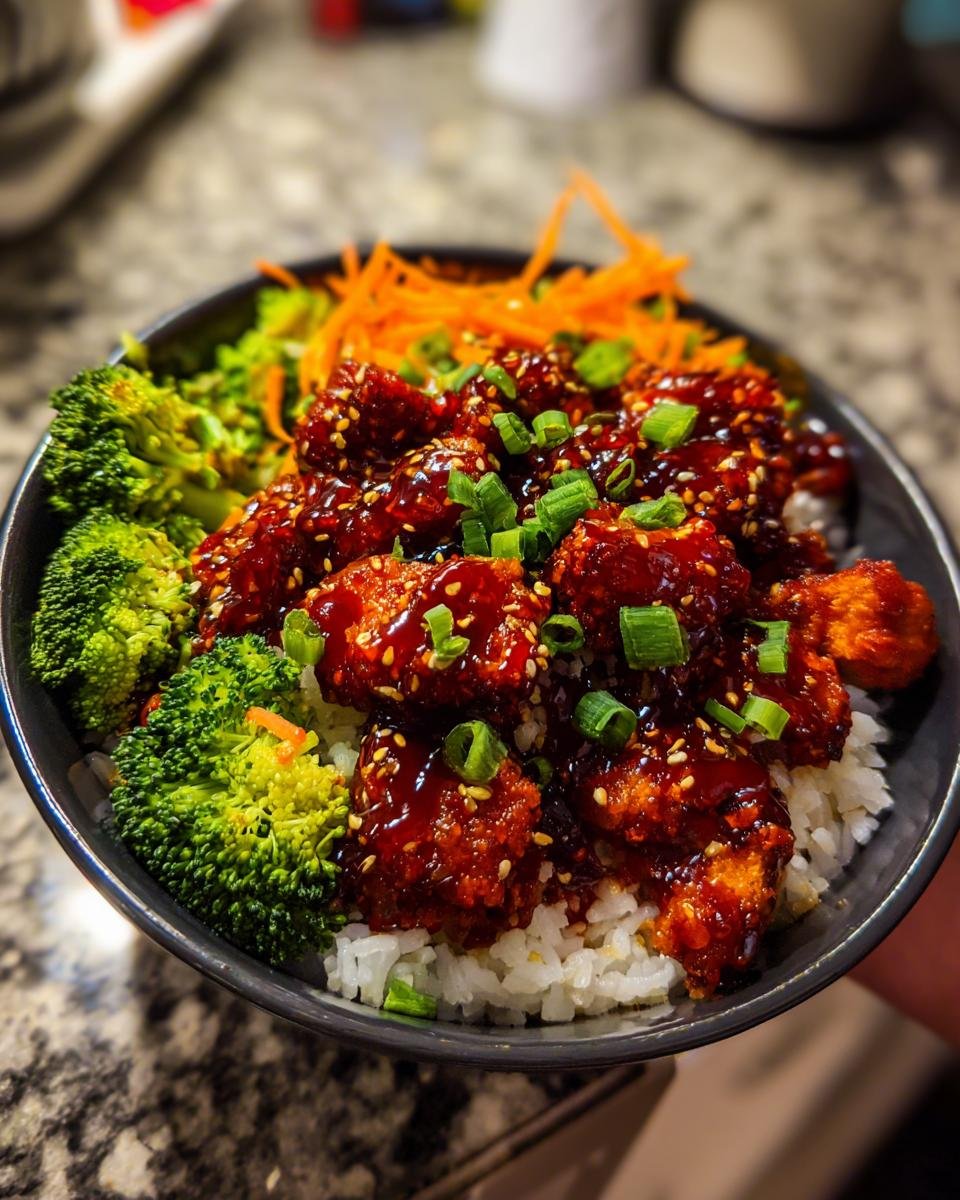
Assembling and Garnishing Your Gochujang Chicken Bowl
Okay, the cooking is done! Now comes the fun but equally important part: making it look as amazing as it tastes. Presentation really makes a difference when you’ve had a stressful day, don’t you think? Since this Gochujang Chicken Bowl is meant to be a layered experience, we need to put things together in the right order.
First, grab your serving bowls. Divide up that fluffy cooked white rice evenly between your two bowls. White rice is great because it soaks up all those extra sauce drips marvelously. Then, artfully top the rice with your cooked, saucy chicken pieces. I try to spread them out so I get chicken in every bite!
Next, nestle in your steamed broccoli florets and those pretty shredded carrots right beside the chicken. That burst of green and orange against the brown chicken makes the bowl pop. You’ll notice we still have some of that amazing sauce left over—the sauce we saved from not using it all on the chicken in the pan?
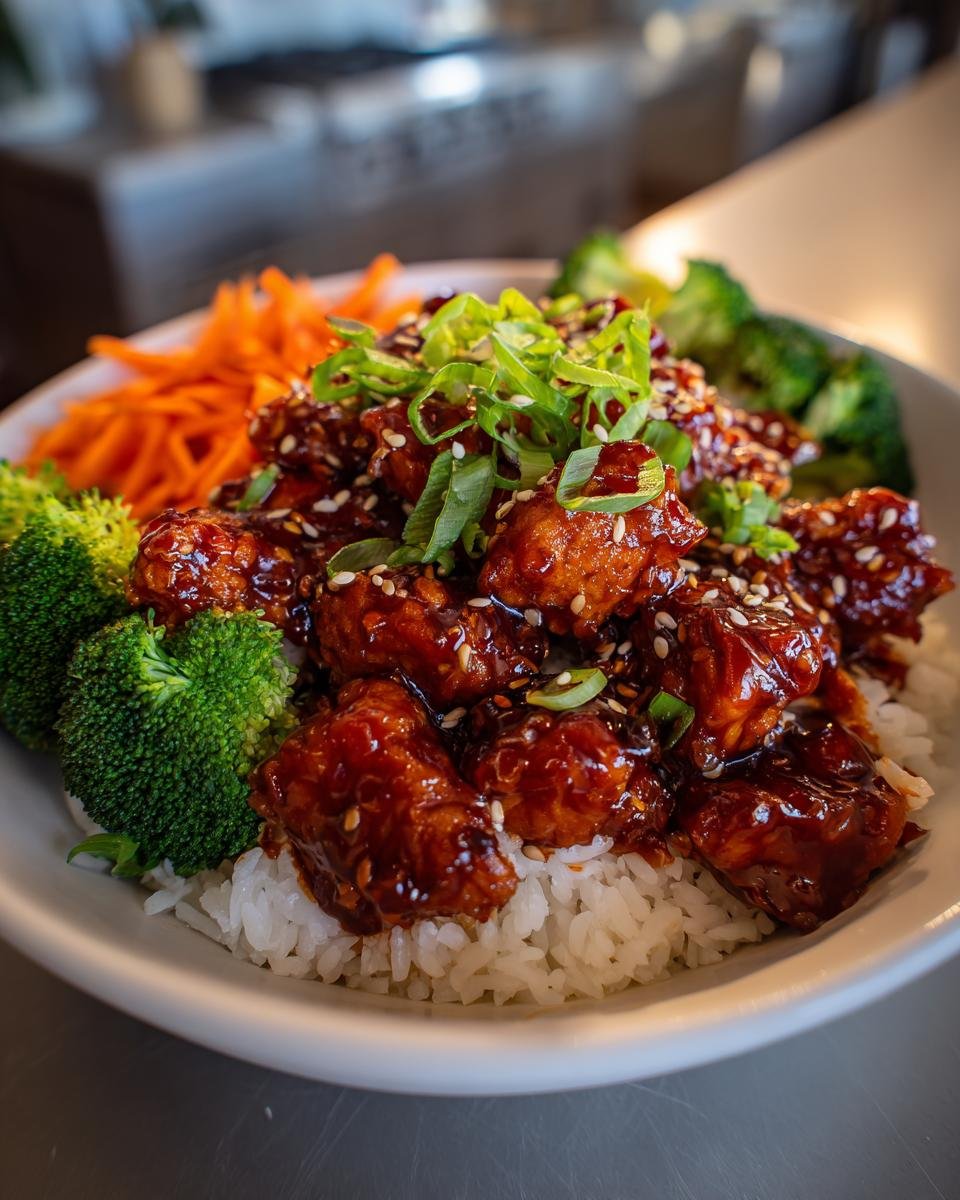
This is the moment! Take that remaining sauce and drizzle it generously over the chicken and vegetables. Don’t be shy; this is the flavor bomb finishing touch! I like to give it a little swirl if the sauce is thick, just to coat everything nicely. For the grand finale, we go for crunch and color. Sprinkle those sliced green onions all over the top—they add a fresh little onion bite that’s necessary—and finish it off with a light shower of sesame seeds. They toast up a bit in the steam, and honestly, a bowl just looks unfinished without them!
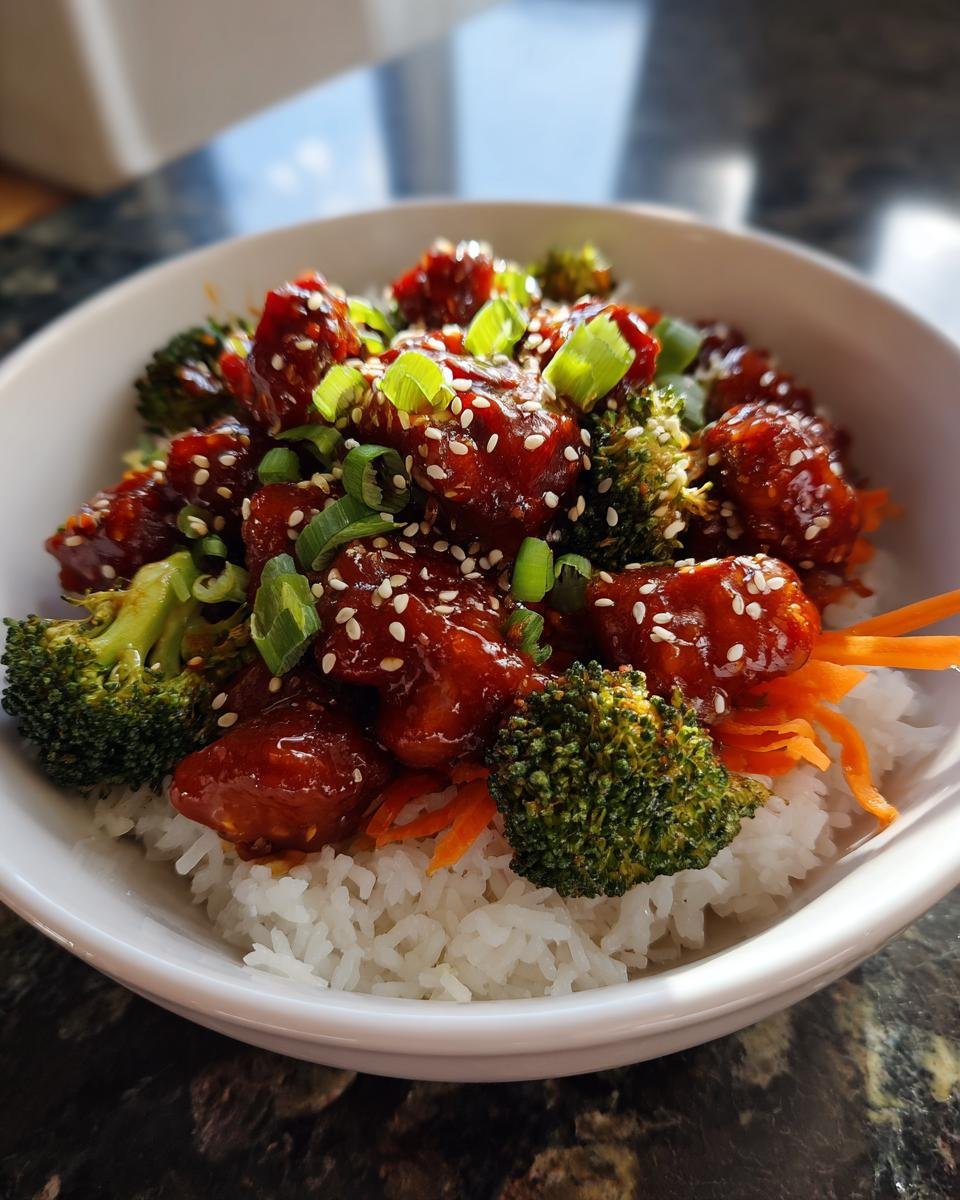
Seriously, once you see that gorgeous bowl, you’ll feel instantly better about your dinner choices. If you loved this layering technique, you absolutely have to check out my recipe for the Korean Ground Beef Bowl; it uses a similar assembly method!
Tips for Mastering the Gochujang Chicken Bowl Texture
Even though this Gochujang Chicken Bowl recipe is fast, there are a couple of little tricks I’ve picked up over the years that really elevate the texture from “good” to “amazing.” Since we use chicken thighs, they are naturally juicy, but we also want those satisfyingly crispy, caramelized edges, don’t we?
My number one tip? Don’t overcrowd the pan when you’re searing the chicken, even if you have to do it in two batches. If you pile the chicken too high, the temperature drops way too fast. Instead of searing and browning—which gives you that great texture—you end up just kind of steaming the chicken in its own juices. Trust me, a slightly longer sear time, even if you do two rounds, is worth it for that slightly chewy, sticky exterior.
Also, when it comes to the rice, I know it says white rice, but here’s my little secret: use slightly older rice, not the piping hot stuff straight out of the cooker if you can help it. If you cook the rice the day before and store it in the fridge, it holds its shape better when you scoop it into the bowl. Freshly cooked rice sometimes gets a little too mushy once the saucy chicken lands on it.
And look, I know I mentioned it early on, but seriously, don’t skip coating the chicken in only *half* the sauce before cooking. The second half is reserved for drizzling, and that reserved sauce is less broken down by the heat, so it stays glossy and acts like a perfect, concentrated glaze on top. It keeps the chicken you cooked from burning while ensuring the final drizzle is super flavorful! If you love that crispy texture, you should also check out how I get that crunch on my Hot Honey Chicken; the principles are similar!
Variations: Making the Gochujang Chicken Bowl Your Own
One of the things I love most about a simple bowl meal like this Gochujang Chicken Bowl is how easily it adapts to whatever I have lurking in the fridge. It’s totally fine if chicken thighs aren’t your jam this week, or if you’ve got a ton of leftover tofu sitting around waiting for a flavor bath!
Don’t feel locked into the original ingredient list. This spicy, sweet sauce base is so versatile, it welcomes almost any additions. Here are a few ways I switch things up when I need a change of pace:
- Protein Swap Time: My vegetarian friends always ask about swapping the chicken. Tofu is phenomenal here—just make sure you press the water out really well before cubing it. You can even pan-fry the tofu cubes until they are golden brown *before* tossing them in half that gochujang sauce. They get wonderfully chewy! Shrimp is another winner; just toss them in the sauce right at the end of cooking (seriously, they take 3 minutes maximum) so they don’t get rubbery.
- Vegetable Boost: If you want to add more bulk and crunch, throw in some sliced bell peppers. Red or orange ones bring a lovely sweetness that plays well against the heat. I usually toss the peppers into the same pan after the chicken has been removed, let them soften for about 4 minutes, and then dump the chicken back in before adding the final drizzle of sauce. Mushrooms are also great if you want something earthier!
It’s all about having fun with it! If you’re looking for an entirely different direction but still utilizing peppers, I have a great chicken and sausage recipe that uses similar veggies but completely changes the vibe.
Serving Suggestions for Your Gochujang Chicken Bowl
So, you’ve got this killer Gochujang Chicken Bowl assembly done, and it looks beautiful with the green onions and sesame seeds twinkling on top. Now, are you going to eat it just like that? Of course, you could! But I always like to add a little something extra on the side to round out the meal, especially when dealing with something as richly flavored and spicy as gochujang.
Think about what complements bold, spicy heat—something cool, something crunchy, or something tangy to cut through all that savory sweetness. It just makes the whole eating experience 10 times better. I never serve this bowl without at least one of these additions!
My absolute favorite thing to serve alongside this is a quick, palate-cleansing side. If you’ve got 15 minutes to spare, you have to try my recipe for the easy Asian cucumber salad. Those slick, cool cucumbers drenched in rice vinegar and sugar are the perfect counterpoint to the heat of the chicken. It’s so refreshing!
But if you need something faster, here are a couple of super-easy pairings that just work magically with that Korean flavor profile:
- Kimchi: You should always have kimchi in your fridge, period. A small little heap of spicy fermented cabbage adds a fantastic deep tang and probiotic punch right into the bowl beside your chicken.
- Quick Pickled Radish: If you’re feeling ambitious, thinly sliced daikon radish soaked in a quick brine of vinegar, water, and a pinch of sugar brightens everything up instantly. It’s that textural pop you crave.
- Just Some Edamame: Sometimes simplicity wins. A little side bowl of steamed and salted edamame beans gives you an extra hit of protein and a different kind of salty crunch that complements the sesame in the sauce beautifully.
Trust me on this; adding one of these cool elements takes your quick weeknight Gochujang Chicken Bowl from just satisfying to truly memorable!
Storing Leftovers of the Gochujang Chicken Bowl
Okay, so you made this amazing Gochujang Chicken Bowl, and you were smart enough to make a tiny bit extra! Since this recipe only yields about two servings, realistically, you’re probably looking at one full leftover serving or maybe half a bowl for lunch the next day. Because we want that chicken to taste just as great as it did fresh, we need to store it smart.
My biggest advice here, and this is key for maintaining texture, is to separate your components if you can. Don’t mix the chicken, the saucy glaze, the rice, and the fresh garnish all into one container. Why? Because the rice will get soggy sitting under the sauce, and the fresh green onions will wilt into mush. Not cute!
If you have two smaller, airtight containers, put the cooked rice in the bottom of one, and the cooked chicken/veggies in the other. If you want to keep that last bit of that beautiful residual sauce, store it separately too! Tuck it all into the fridge. Since this is Korean-inspired food, it holds up really well for about three days, especially if you keep the bread-like elements (the rice) and the moist parts separate.
When you’re ready to reheat the next day, I *strongly* recommend using the microwave for the chicken and veggies, but only in short 45-second bursts. You want to warm it through, not cook it again! If you used chicken thighs, they will rehydrate beautifully. If you have time, sometimes I even dump the cold leftover chicken mixture into a small, dry skillet over medium heat for just a minute or two. That little bit of high heat wakes up the spices again. It brings the whole Gochujang Chicken Bowl back to life!
This method keeps your food fresher longer and stops everything from turning into a uniform texture blob. For more general tips on keeping all your fresh ingredients in top shape, make sure you check out my guide on keeping produce crisp!
Frequently Asked Questions About Making a Gochujang Chicken Bowl
I get so many questions about this recipe after people try it because it tastes way more complicated than it actually is! It’s all about maximizing flavor in that short 25-minute window. Here are the things most people ask when trying to perfect their spicy chicken game or when they are new to incorporating Korean food into their weekly rotation.
Can I make the sauce for the Gochujang Chicken Bowl ahead of time?
Yes, absolutely! You totally can make the sauce ahead of time, and I actually recommend it if you’re planning to make this on a truly crazy weeknight. All those sauce components—the gochujang, honey, vinegar, soy sauce, garlic, and ginger—are very stable. Just whisk them all together until smooth, cover it up, and pop it right into the fridge. It should last easily for a good week, maybe longer! When you go to use it, let it sit on the counter for about 15 minutes to soften up a bit before you start marinating your chicken. It saves you those crucial first 5 minutes of prep time!
Is this spicy chicken bowl recipe suitable for meal prepping?
It is, but you have to be a little strategic about it, just like I mentioned in the storage section! If you cook everything—chicken, rice, and steam the veggies—and mix it all together, the rice is going to turn into a sticky glue ball by lunchtime the next day, especially soaked in that sweet sauce. For true meal prepping success with this Gochujang Chicken Bowl, cook everything, but store the rice separately from the sauced chicken and veggies. Then, when it’s time to eat, you can gently reheat the chicken mix and pile it on top of fresh or reheated rice. That way, you keep that nice textural contrast between the chewy chicken and the fluffy base. It’s worth the extra container!
What is the best type of rice to use in a Gochujang Chicken Bowl?
The recipe calls for cooked white rice, and I usually stick to medium-grain white rice (like Calrose) because it has a slight stickiness that catches the sauce perfectly without turning into mush. But listen, if white rice isn’t your thing, you have options! Brown rice works great if you want to keep the fiber high, though it takes longer to cook initially, so maybe use your pre-cooked frozen brown rice for speed! And if you are trying to keep carbs low, nobody is judging you for using cauliflower rice here. It soaks up the sauce beautifully, though it won’t give you that same satisfying chewiness that actual rice does. No matter what you pick, make sure it’s warm when you serve it! If you need more help connecting with me for troubleshooting, you can always drop a line via my contact page!
- We hope this helped clear up any immediate confusion! Let me know in the comments below if you have other questions about nailing this Korean food classic!
Nutritional Snapshot of the Gochujang Chicken Bowl
Now, I’m not a nutritionist by a long shot, and certainly my kitchen isn’t a lab, but I know a lot of you are trying to keep track of what you’re eating, even when you’re devouring something this flavorful. So, for those of you counting macros or just curious about what’s in this amazing Gochujang Chicken Bowl, I pulled together the estimated numbers based on the ingredients list.
It surprised me how much protein this packs, honestly! Since we used chicken thighs, which are wonderfully fatty and flavorful, it’s not a zero-fat meal, but it’s giving you fantastic energy and keeping you full until breakfast the next morning.
Here is the breakdown for one serving based on our recipe yield (this recipe makes 2 servings):
- Calories: 550
- Protein: 45g (Wow! That’s powerhouse fuel!)
- Fat: 18g
- Carbohydrates: 55g
- Sugar: 20g
- Sodium: 950mg
Remember, these numbers are just an estimate! If you use low-sodium soy sauce, your sodium count will drop. If you use maple syrup instead of honey, the sugar profile shifts slightly. These estimates are based on standard brand averages, so use them as a guideline, not gospel!
I always want to be totally transparent with you about what we’re cooking in the kitchen. You can always check out my privacy policy if you have any general questions about how I handle information on the site, but when it comes to nutrition, please take these figures with a grain of salt—or maybe a grain of sesame seed!
Share Your Gochujang Chicken Bowl Creations
Alright, now that you’ve whipped up this fantastic, speedy Gochujang Chicken Bowl, I truly want to see what you made! Did you manage to get those perfectly crispy edges on your chicken? Did you go heavy on the green onions for garnish, or did you find a fun veggie swap?
This community is everything to me, and seeing your bowls come to life just proves that busy people can still eat incredibly well. Head down to the comments section right now and give this recipe a star rating—did it earn five stars in your fast-dinner lineup? Don’t be shy!
If you snapped a photo, please tag me on social media! When you share your spicy chicken creation, use the hashtag #MyTastiqaBowl so I can see it and share it on my stories. I love catching your kitchen successes!
If you’ve got more questions about the site or just want to say hi instead of leaving a rating, you can always hop over to the About Me page, but honestly, commenting below helps other home cooks see that this recipe is a winner!
Print
Simple Gochujang Chicken Bowl
- Total Time: 25 min
- Yield: 2 servings 1x
- Diet: Low Fat
Description
A quick recipe for a flavorful chicken bowl featuring a spicy and sweet gochujang sauce.
Ingredients
- 1 lb boneless, skinless chicken thighs, cut into bite-sized pieces
- 2 tablespoons soy sauce
- 1 tablespoon sesame oil
- 1/2 cup gochujang (Korean chili paste)
- 2 tablespoons honey or maple syrup
- 1 tablespoon rice vinegar
- 1 teaspoon grated fresh ginger
- 2 cloves garlic, minced
- 2 cups cooked white rice
- 1 cup steamed broccoli florets
- 1/2 cup shredded carrots
- 2 green onions, sliced, for garnish
- 1 teaspoon sesame seeds, for garnish
Instructions
- In a bowl, mix the gochujang, honey, soy sauce, sesame oil, rice vinegar, ginger, and garlic to create the sauce.
- Toss the chicken pieces with half of the prepared sauce.
- Heat a skillet over medium-high heat. Add the sauced chicken and cook until browned and cooked through, about 6-8 minutes.
- While the chicken cooks, prepare the rice and steam the broccoli.
- Assemble the bowls: divide the cooked rice among serving bowls.
- Top the rice with the cooked gochujang chicken, steamed broccoli, and shredded carrots.
- Drizzle the remaining sauce over the chicken and vegetables.
- Garnish with sliced green onions and sesame seeds before serving.
Notes
- You can substitute chicken breast for thighs, but adjust cooking time slightly to prevent drying.
- For extra heat, add a pinch of gochugaru (Korean chili flakes) to the sauce.
- Prep Time: 10 min
- Cook Time: 15 min
- Category: Main Course
- Method: Stovetop
- Cuisine: Korean-inspired
Nutrition
- Serving Size: 1 bowl
- Calories: 550
- Sugar: 20
- Sodium: 950
- Fat: 18
- Saturated Fat: 3
- Unsaturated Fat: 15
- Trans Fat: 0
- Carbohydrates: 55
- Fiber: 3
- Protein: 45
- Cholesterol: 110
Keywords: gochujang, chicken bowl, korean food, spicy chicken, quick dinner, easy recipe