
You know, there’s nothing sadder than opening up a container of supposedly fresh salad greens only to find wilted, slimy disappointment staring back at you. Ugh! It totally ruins the meal, right? I used to think all salad bases were basically the same until I tried making a simple Caesar dressing—the store-bought romaine I bought completely withered under the Caesar’s creamy weight, giving me cabbage instead of crunch. That was the day I realized I needed to learn **The Best Types Of Lettuce How To Use Them** properly. Trust me, choosing the right leaf makes or breaks your entire salad creation!
Understanding The Best Types Of Lettuce How To Use Them: A Foundation
Honestly, just grabbing the biggest bag of greens you see at the store is a recipe for disaster sometimes. Not all lettuce is made for all jobs, and knowing the difference between a delicate leaf and a sturdy crunch-machine makes a huge difference in flavor and how long your dish lasts before getting soggy. It’s about matching the leaf’s character to what you’re trying to make!

If you’re making something hearty, you need greens that stand up to thick dressings or heavy toppings. If you want something that just melts in your mouth, you need the soft stuff. We’re going way beyond simple mixing here; we’re talking about strategic building. Learning The Best Types Of Lettuce How To Use Them is your first big step toward next-level salads. Speaking of great salads, if you want some inspiration for using lighter greens, check out this quick taste salad recipe idea; it uses texture to its advantage too!
Why Texture Dictates The Best Types Of Lettuce How To Use Them
Texture is everything, isn’t it? Think about it: you wouldn’t use a floppy leaf to hold up a heavy dollop of blue cheese dressing, right? The crisp varieties, like Iceberg, give you that loud, satisfying snap when you bite down. They handle bold flavors and heavy sauces like champions. Then you have the tender options—they’re great for wrapping or mixing into something mild because they just sort of melt away beautifully alongside the other ingredients.
Deep Dive: The Best Types Of Lettuce How To Use Them
Okay, now for the fun part! This is where we stop thinking generally and start matching the *right* green for the *right* reason. Having four solid types in your crisper drawer means you’re ready for anything, from a robust dinner salad to a light afternoon snack. Knowing The Best Types Of Lettuce How To Use Them means less waste and way better flavor combinations. If you’re looking for a great savory salad that showcases these, you’ve simply got to try this amazing olive garden copycat recipe for inspiration!
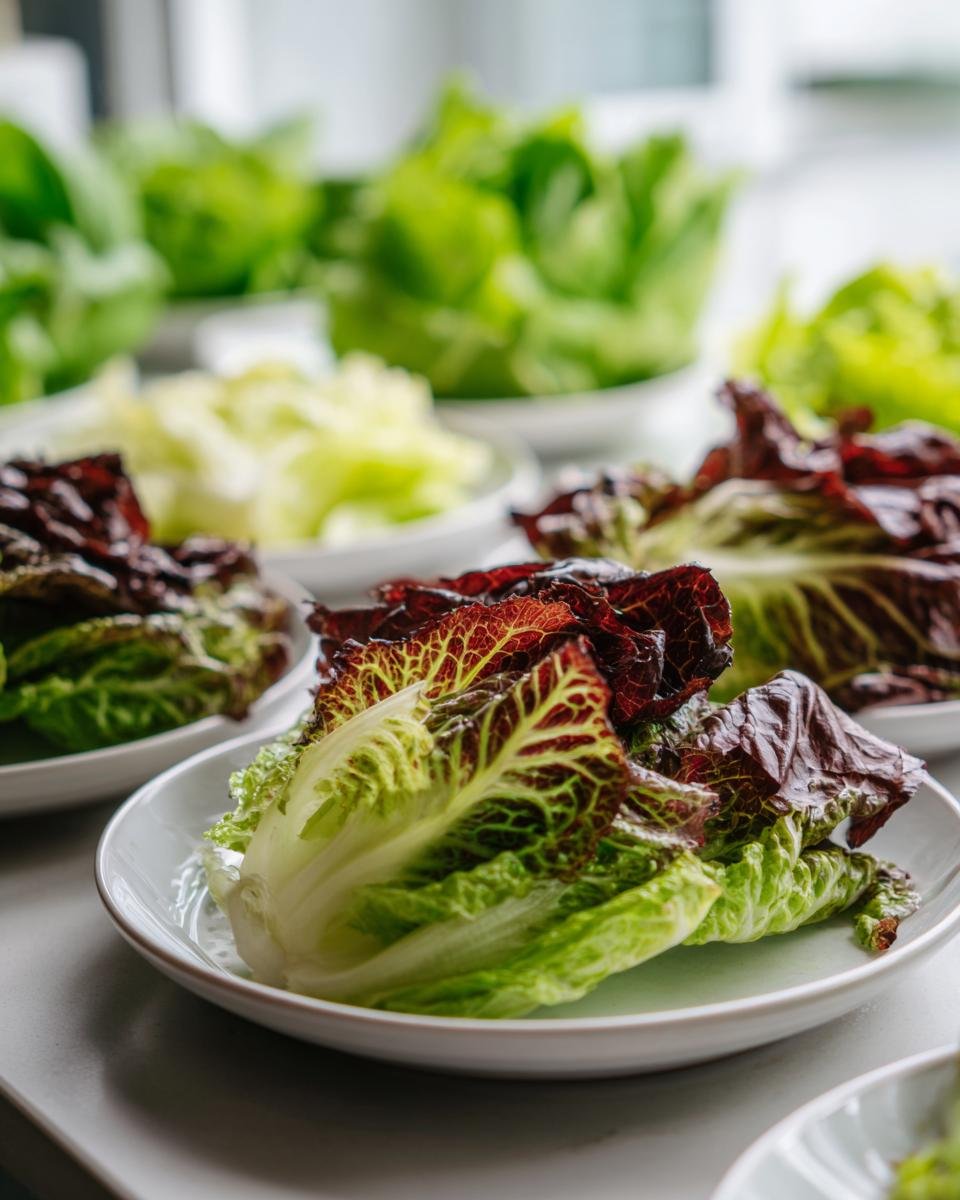
Romaine: The Crisp Backbone of The Best Types Of Lettuce How To Use Them
Romaine is my go-to for anything that needs structure. It’s got those hearty ribs running down the middle, which keeps the leaves from flopping over when you drown them in dressing. This is non-negotiable for a classic Caesar salad, where it provides that perfect platform for Parmesan and croutons. It’s strong, but still has a slightly sweet, clean taste that everybody loves. Don’t chop it too small, or you lose that signature crunch!
Butter Lettuce: Delicate Leaves for The Best Types Of Lettuce How To Use Them
Butter lettuce, oh my gosh, it’s just heaven. It’s so soft and almost velvety, like silk against your tongue. Because the leaves are gentle and form such perfect small cups, I rarely chop Butter lettuce. Instead, I use the whole leaves as low-carb little boats for fillings—think chicken salad, or even tiny scoops of cottage cheese. It brings a beautiful, buttery mouthfeel to any lighter side salad, too.
Iceberg Lettuce: Maximizing Crunch in The Best Types Of Lettuce How To Use Them
People sometimes look down on Iceberg, but they are missing out on pure, unadulterated crunch! Its high water content gives it that unmistakable sharp snap we all crave. If you’re making burgers, layer on the shredded Iceberg. If your tacos need that blast of freshness that won’t get instantly soggy from salsa, finely shred it and pile it high. It’s the ultimate textural element when you really need that loud CRUNCH.
Leaf Lettuce: Versatility in The Best Types Of Lettuce How To Use Them
Leaf lettuce, whether it’s red or green, is the ultimate team player. It doesn’t have that thick central rib like Romaine, so it tears easily into perfect, irregular, bite-sized pieces. This makes it fantastic for mixed green salads where you don’t want everything to be the same shape or texture. It wilts just a tiny bit quicker than Romaine, so toss it with your lighter vinaigrettes right before serving to keep its mild, slightly sweet flavor bright.

Essential Preparation for The Best Types Of Lettuce How To Use Them
Look, you can buy the most expensive, gorgeous head of lettuce out there, but if you skip the prep work, it’s all for nothing. Seriously, this step is where most people fail to master **The Best Types Of Lettuce How To Use Them**. We’re talking about germs, dirt, and—worst of all—water pockets that will sabotage your dressing later!
I learned that even if it looks clean, you have to wash it all thoroughly under cool running water. Don’t just rinse it in the sink; gently agitate those leaves! If you’re dealing with more robust greens, like Romaine, make sure you get into those tight inner sections where grit likes to hide. A quick dunk isn’t enough; these greens demand your attention!
To explore some fantastic ways to use your perfectly prepped greens, check out this recipe for easy Asian cucumber salad—it pairs wonderfully with crisp types!
Washing and Drying Techniques for Peak Freshness
The absolute make-or-break moment isn’t washing; it’s the drying. Water clinging to lettuce is the number one reason your vinaigrette separates and slides right off the leaves into a watery puddle at the bottom of your bowl. You *must* get them bone-dry.
If you don’t have one, buy a salad spinner! They seem a little bulky, maybe even gimmicky, but they are worth their weight in gold. Give those damp leaves a good 30 seconds in the spinner until they look almost thirsty. If you don’t have a spinner, lay the washed leaves out flat on a stack of very clean kitchen towels and gently pat them dry. Be patient; if they feel wet, they’ll taste watery!
How to Prepare Instructions for The Best Types Of Lettuce How To Use Them
Now that we’ve cleaned and dried everything perfectly—and I mean *perfectly*—it’s time to chop and prep based on what we’re making! This is where knowing **The Best Types Of Lettuce How To Use Them** really shines because each one needs a different approach. Don’t just chop everything the same way; that defeats the whole purpose!
First things first, you need to separate your leaves. For Romaine, you want those sturdy, crisp inner leaves; chop those babies up specifically for a Caesar. They are strong enough to handle mixing and dredging in a creamy dressing without dissolving before you get to the table. Remember, presentation matters almost as much as taste!
Next up is the soft Butter lettuce. For Butter lettuce, we leave the leaves whole! We want those natural cups for holding little bits of chicken salad or anything where a neat presentation is important. Over-chopping these just makes them wilt instantly.
Iceberg requires a totally different touch. Shred it super fine! You need those delicate, thin ribbons so they mix evenly into tacos or slip nicely into a sandwich. Too chunky, and you get a mouth full of only Iceberg.
Finally, for the Leaf lettuce, tear it into nice, irregular bite-sized pieces for any standard mixed green salad bowl. It’s forgiving, so just do your best to make the pieces manageable. If you want to see a great example of how these greens shine in a vibrant mix, you have to check out this quick Mexican corn salad recipe—it incorporates crunch beautifully!
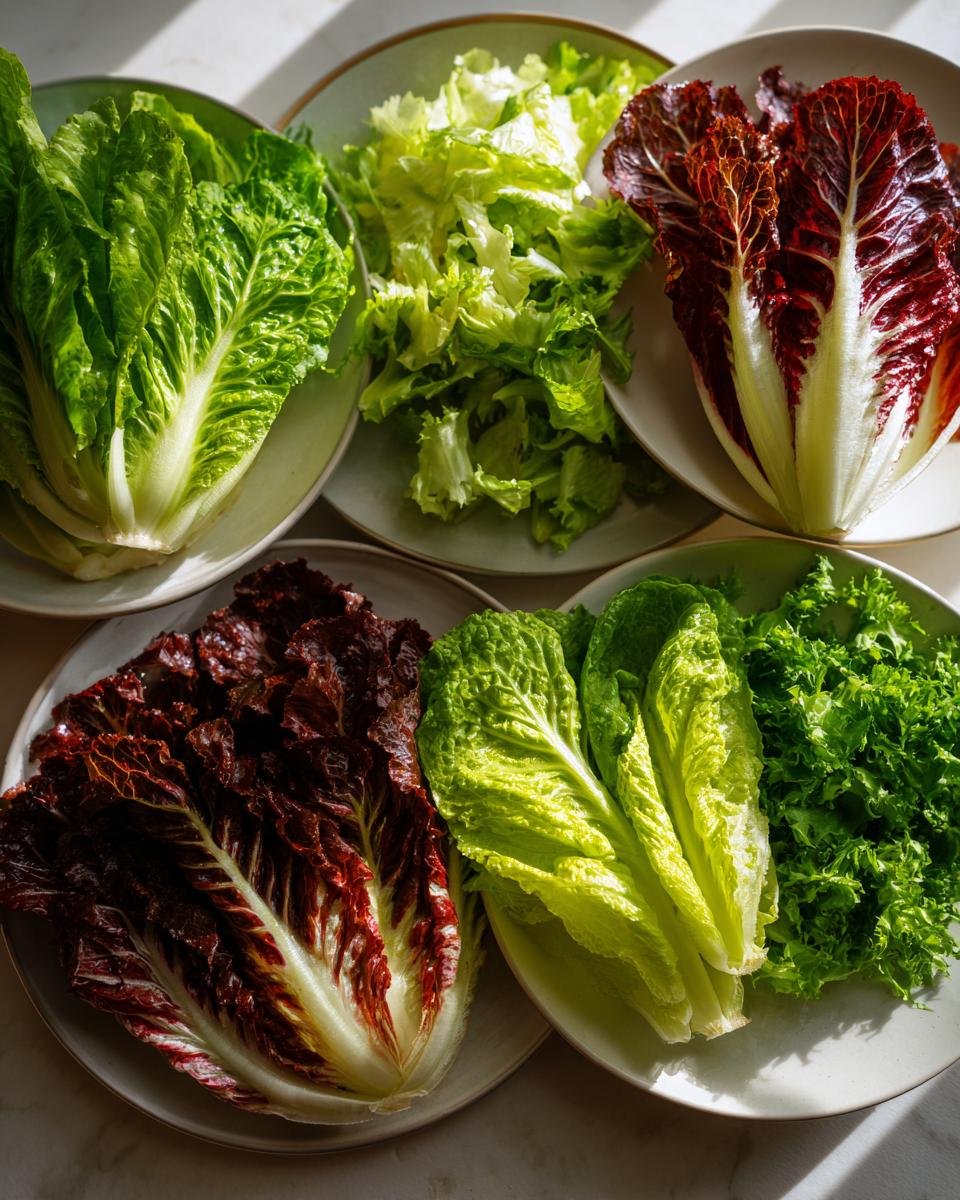
Ingredient Notes and Substitutions for The Best Types Of Lettuce How To Use Them
Okay, planning ahead is crucial, especially when you’re trying to create the *best* textures. If you happen to find yourself short on one of the main four lettuces, don’t panic! You can usually cross-substitute within the same texture group. For instance, if you’re out of Romaine, use the crisp white heart of a Napa Cabbage in a pinch, or if you’re missing Iceberg, use Belgian Endive for a slight bitterness and similar crunch.
But here’s where you level up your game when talking about **The Best Types Of Lettuce How To Use Them**: adding complexity with flavor boosters. Sometimes, the milder lettuces need a little punch, which is where peppery greens come in handy. If you don’t have them on hand, you can grab some fresh radish slices or a sprinkle of dried chili flakes to wake things up!
If you are exploring ways to dress up your greens after choosing the right type, check out these four amazing sauces—they really help showcase your lettuce choices!
Incorporating Peppery Greens: Arugula and Watercress
I love tossing in a handful of arugula or watercress with the milder lettuces, especially when I’m making a lighter vinaigrette. Arugula brings this fantastic pepperiness; it’s got such a sharp, almost mustardy bite that cuts right through richness. Watercress is similar but often brighter and a little cleaner, if you know what I mean.
These aren’t meant to be the bulk of your salad, though! They are accents. If you use too much, they can overpower the delicate flavor of, say, Butter lettuce. I usually mix them in sparingly—just enough so that when you eat a forkful, you get a little surprise kick of spice mixed in with the cool, refreshing base.
Tips for Success with The Best Types Of Lettuce How To Use Them
You’ve washed it, you’ve dried it, now let’s make sure you don’t ruin all that hard work in the last minute! My biggest piece of advice when working with **The Best Types Of Lettuce How To Use Them** is this: dress your salad immediately before serving. Immediately! Even the most perfectly dried Romaine will start to wilt dramatically if you put acid (vinegar, lemon juice) on it too early. It just breaks down the cells.
Also, remember that texture mixing I mentioned? Don’t be a one-lettuce wonder. Combine firm Iceberg shards with soft Leaf lettuce for a salad that’s exciting in every single bite. It keeps things interesting!
Here’s another little trick I learned over the years, especially if I’m prepping Romaine or Iceberg ahead of time: if you notice any edges just starting to turn brown or look a little tired, you can sometimes revive them by just briefly dunking that specific leaf in ice-cold water for about thirty seconds. It seems crazy, but it works like a charm to firm up the edges. If you want some ideas on building incredibly nutritious and texturally varied salads, you absolutely have to check out this guide on nutritious salads in 15 minutes!
Storage and Longevity for The Best Types Of Lettuce How To Use Them
So, you’ve done all the hard work washing and drying, right? Don’t let that freshness disappear overnight! Proper storage is one of those little secrets that elevates your understanding of **The Best Types Of Lettuce How To Use Them**. The key is managing moisture—we need just enough to keep the leaves from drying out, but not so much that they turn slimy.
Take your perfectly washed and dried greens and wrap them loosely in a fresh, dry paper towel. Then, tuck that bundle right into an airtight container before popping it into the fridge. The paper towel soaks up any stray condensation. Iceberg and Romaine types usually last me a solid week this way. Butter and Leaf lettuce are a little more fragile, so try to use those within four or five days so they keep their tender structure!
Frequently Asked Questions About Lettuce Varieties
I always get questions when I post pictures of my salad prep, so I figured I’d tackle some of the most common things people ask me about the different lettuce types we just talked about. It’s all about getting the most out of your greens, whether you’re an expert or just starting out!
Which lettuce type is healthiest?
If you’re tracking nutrition, generally the darker and more intensely colored the leaf, the better! Romaine is fantastic because it packs way more vitamins than something like Iceberg. Leaf lettuce also rates really high on the nutrition scale because you’re eating more of the actual pigment. Butter lettuce is pretty good too, but Iceberg is mostly water, so it’s the least nutrient-dense among this group, although still super refreshing!
Can I use these lettuces for cooking?
Oh, absolutely, but you have to choose wisely based on heat resistance. Romaine is sturdy enough that I sometimes throw it right onto the grill for a minute; it gets these great char marks and stays surprisingly crisp. Iceberg can also handle steaming a tiny bit if you slice it thin for certain Asian dishes, as it holds its crunch well. Please, don’t try to cook Butter lettuce, though! It dissolves into green mush almost instantly if you look at it funny near a stove. It’s strictly for cold use, in my book.
If you’re looking for inspiration on making other things besides cold salads, you might enjoy this easy macaroni salad recipe—it proves that creamy sides can be just as satisfying as leafy green ones!
Next Steps After Mastering The Best Types Of Lettuce How To Use Them
Whew! We covered a lot, but now you’re ready to make any salad bowl amazing. Seriously, knowing **The Best Types Of Lettuce How To Use Them** changes everything. I really want to know what you think! Which lettuce surprised you the most, or what’s your favorite way to use Butter lettuce cups?
Let me know your thoughts in the comments below, and while you’re at it, if you have any questions about this guide, feel free to reach out over at the contact page. Happy crunching!
Print
Guide to Lettuce Types and Uses
- Total Time: 15 min
- Yield: 4 servings 1x
- Diet: Low Calorie
Description
A guide detailing common lettuce types and how to incorporate them into your meals.
Ingredients
- 1 head Romaine lettuce
- 1 head Butter lettuce
- 1 head Iceberg lettuce
- 1 bunch Leaf lettuce (red or green)
- 1 bag Arugula or Watercress (optional)
Instructions
- Wash all lettuce types thoroughly under cool water.
- Dry the lettuce completely using a salad spinner or clean kitchen towels.
- For Romaine, separate leaves; chop the crisp inner leaves for Caesar salads.
- For Butter lettuce, use whole leaves as cups for wraps or small fillings.
- For Iceberg lettuce, shred finely for maximum crunch in tacos or sandwiches.
- For Leaf lettuce, tear into bite-sized pieces for mixed green salads.
- Store washed and dried lettuce in an airtight container lined with a paper towel in the refrigerator.
Notes
- For best results, dress salads immediately before serving to prevent wilting.
- Different lettuces offer different textures; mix them for varied mouthfeel in one dish.
- Arugula adds a peppery flavor contrast to milder lettuces.
- Prep Time: 15 min
- Cook Time: 0 min
- Category: Salad Base
- Method: Washing and Preparation
- Cuisine: General
Nutrition
- Serving Size: 1 cup chopped
- Calories: 10
- Sugar: 0.5
- Sodium: 5
- Fat: 0.1
- Saturated Fat: 0
- Unsaturated Fat: 0.1
- Trans Fat: 0
- Carbohydrates: 2
- Fiber: 1
- Protein: 1
- Cholesterol: 0
Keywords: lettuce types, romaine, butter lettuce, iceberg, leaf lettuce, salad greens, how to use lettuce