
Oh, honey, let’s talk about crab cakes. If you’ve ever been disappointed by a mushy, flavorless patty that’s more binder than seafood bliss, I hear you! When it comes to seafood, I live for that sweet, delicate lump crab texture, and I’ve spent years—literally years—perfecting this technique just to nail it.
This isn’t some fancy, complicated restaurant version. This right here is the simplest, most flavorful Crab Cakes Recipe you will ever need. We keep the filler low, the flavor high, and the panic low! Trust me, once you try these pan-fried beauties, you’ll stop ordering them out. I documented every single test batch until I found the exact sweet spot.
It’s all about respecting the crab meat, and I’m excited to show you how easy it is. Maybe you can check out my story while you let your butter soften!
Why This Crab Cakes Recipe Stands Out
So, what makes my simple Crab Cakes Recipe different from all the noisy ones out there? Honestly, it comes down to pure, unadulterated crab flavor. I got sick of cakes where you needed a magnifying glass to find the seafood! With this method, we keep everything minimal so the star of the show—that gorgeous lump crab meat—really sings.
I want you eating crab, not breadcrumbs, so we use the absolute least amount of binder necessary. It’s a game-changer, I promise. You can have these on the table so fast—we’re looking at about 27 minutes total time if you skip the chill step (though I highly recommend waiting!). It’s lightning-fast weeknight seafood!
Here’s the breakdown of why you need to try *this* particular version today. Don’t forget to check out my deep dive on four different crab cake ways if you want even more inspiration!
- Maximum Lump Flavor: We use barely any filler. It’s all about texture and that sweet sea taste.
- Minimal Ingredients, Maximum Punch: The binder uses simple pantry staples that amplify the crab, not mask it.
- Speedy Cooking Time: Prep is quick, and they pan-fry in under 12 minutes. Dinner is served!
- Foolproof Pan-Sear: If you get the pan hot enough, these patties hold together like champions. No crumbling allowed!
Gathering Ingredients for Your Perfect Crab Cakes Recipe
Okay, the success of a truly amazing Crab Cakes Recipe hinges completely on what you bring to the bowl. Since we’re keeping the filler way down, quality really matters here, especially when it comes to the main event. You’re going to need the best lump crab meat you can find. Seriously, spend a little extra here; it’s the difference between a good crab cake and the best crab cake you’ve ever had!
For the binder, it’s all straightforward stuff, nothing weird. You’ll whisk up half a cup of mayonnaise—yes, mayo is key for richness!—with one lightly beaten large egg. Then we layer the flavor with Dijon mustard and a splash of Worcestershire sauce. Don’t skip those, they give it that necessary zing.
Here’s the full rundown of what ends up in the mix. Remember to get fresh parsley; the dried stuff just doesn’t pop the same way!
- One full pound of lump crab meat—pick it over gently first!
- 1/2 cup of good mayonnaise.
- One large egg, whisked lightly.
- One tablespoon of Dijon mustard.
- One tablespoon of Worcestershire sauce.
- Just 1/4 cup of fresh breadcrumbs. That’s it!
- One tablespoon of chopped fresh parsley.
- A half teaspoon of Old Bay seasoning – mandatory flavor!
- A quarter teaspoon of black pepper.
My biggest tip? When shopping for that lump crab meat, try to find someone who ships locally if you don’t live near the coast. Fresh or well-refrigerated is crucial because the flavor relies on that sweet, clean ocean taste. Don’t settle for anything less for this simple Crab Cakes Recipe!
Essential Equipment for Making Crab Cakes Recipe
You don’t need a commercial kitchen for this! Keep it simple, you guys. For this quick Crab Cakes Recipe, grab two bowls—one medium for the crab and a smaller one for whisking the binder ingredients. You’ll need a sturdy spatula for gently folding everything together. Then, obviously, a large skillet is your best friend for that beautiful golden crust. That’s seriously it! I talk more about my favorite pan in this post.
Step-by-Step Instructions for the Best Crab Cakes Recipe
Alright, let’s get mixing! This is where most people go wrong—and trust me, I’ve been there! The secret to this Crab Cakes Recipe is respecting the integrity of that beautiful lump crab meat. We want flavor, not paste, so our mantra here is GENTLE. We don’t want to break up those lovely chunks while we mix in the binder.
We are going to move methodically. Follow these steps exactly, and I promise you’ll have restaurant-quality crab cakes with minimal effort. For even more pointers on technique, you can always check out my detailed guide on different crab cake methods!
Preparing the Lump Crab Meat for the Crab Cakes Recipe
First thing first: you need to check your crab. Always, always gently pick through that lump meat looking for any tiny bits of shell or cartilage that might have snuck in. You don’t want anyone biting into something sharp! Just separate the meat gently with your fingers; we aren’t trying to smash it yet, just inspect it for safety.
Mixing the Binder and Combining with Crab Meat
In your smaller bowl, whisk everything that isn’t crab meat together really well: the mayo, the egg, the mustard, Worchestershire, breadcrumbs, parsley, Old Bay, and pepper. You want this binder totally smooth before it meets the crab. Once it’s smooth, pour it over the crab meat. Now, listen closely: you are *folding*. Use the largest spatula you have and gently move the mixture from bottom to top until it’s just combined. If you start stirring vigorously, you’ll shred the lumps. Just a few gentle folds—stop when you stop seeing dry spots!

Forming and Chilling the Crab Cakes Recipe Patties
Once it’s barely mixed, divide your batter into 4 to 6 equal portions depending on how big you like your cakes. Gently form them into patties using your hands, but don’t compress them too tightly! We want them to hold shape, but still be light. Here is the non-negotiable step: Place them on a parchment-lined tray and pop them in the fridge for at least 30 minutes. Chilling helps them firm up so they don’t fall apart when they hit the hot pan.
Cooking Your Crab Cakes Recipe to Golden Perfection
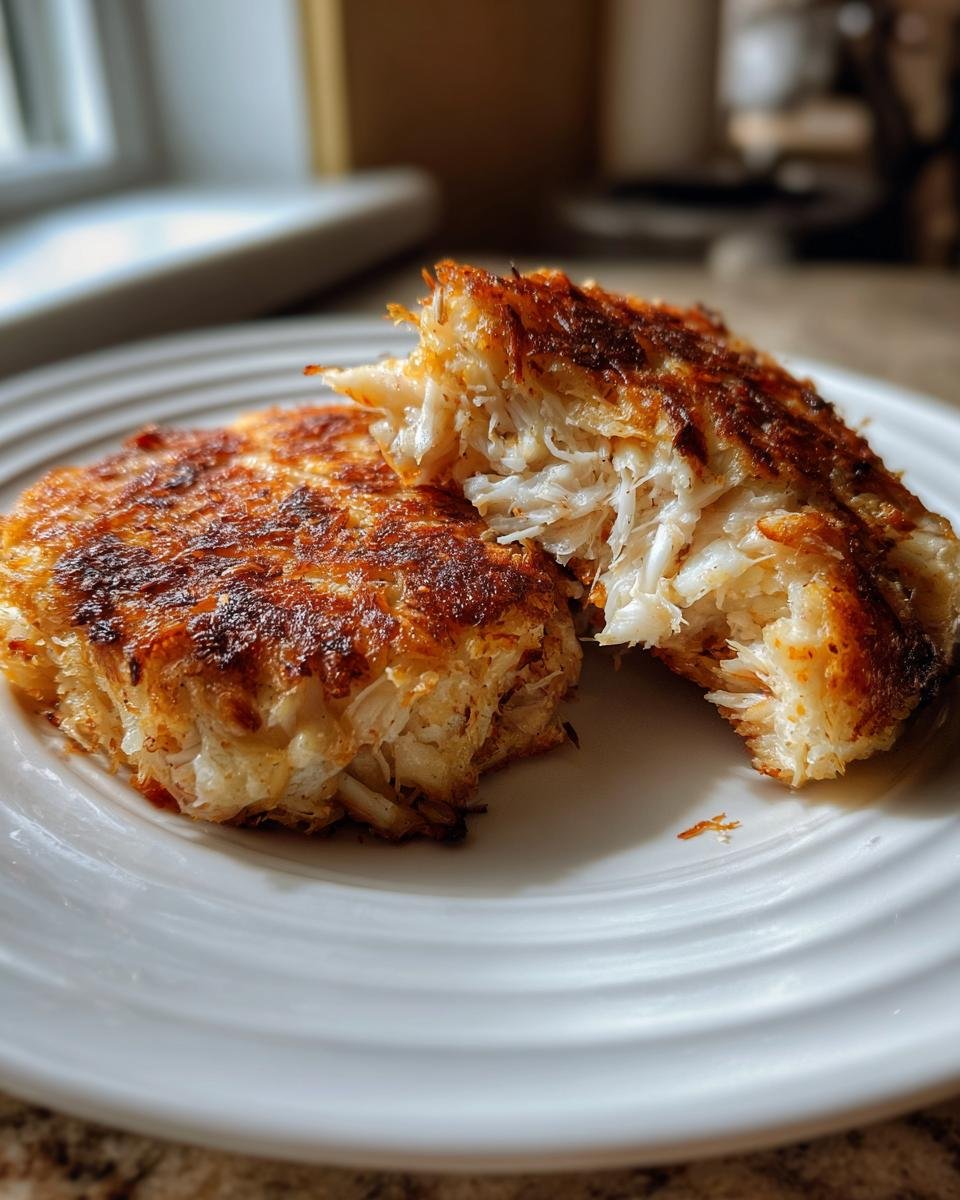
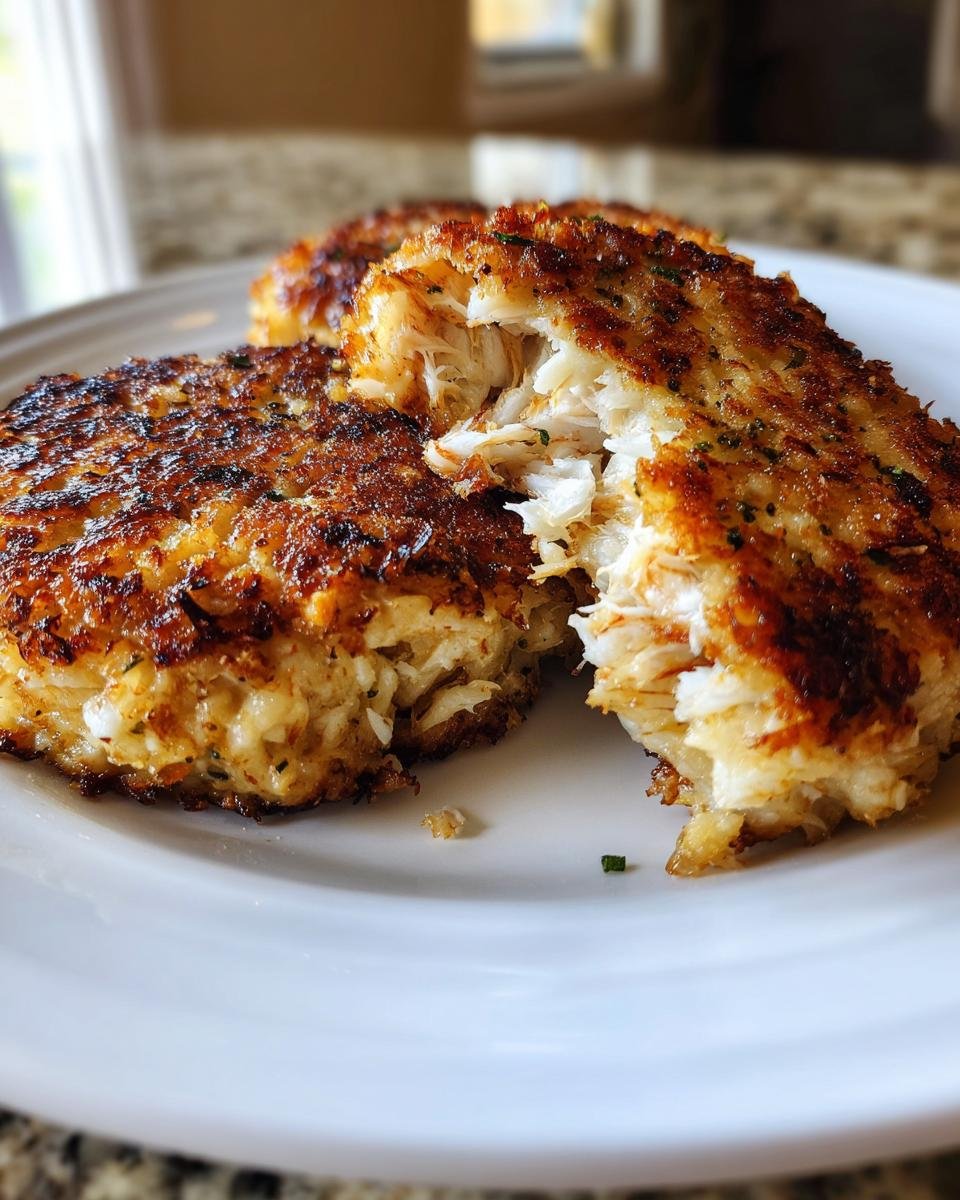
When you’re ready to cook, set your skillet over medium heat and melt 2 tablespoons of butter or add oil—I love the flavor butter gives! Wait until the fat is shimmering hot. Carefully place your chilled crab cakes down in the hot skillet. Don’t crowd the pan; cook them in batches if you need to. You’re looking for 4 to 6 minutes per side. You want that beautiful, deep golden-brown crust on the outside, while the inside is heated through and flaky. If you’re avoiding frying, you can absolutely bake them! Pop them on a sheet pan at 400 degrees Fahrenheit for about 12 to 15 minutes instead. Either way, serve them right away!
Tips for Success with Your Crab Cakes Recipe
We got the basic steps down, but the difference between a good crab cake and a legendary one is all in the sneaky little details, right? I’ve learned a few things over the years that stopped me from having sad, broken cakes. These are the things Grandma used to tell me when making her seafood specialties!
Freshness is obvious, but let me tell you how to *test* your crab meat before you even mix it. If you gently press a piece of lump crab meat, it should spring back immediately. If it feels watery or mushy, it’s not going to hold up, no matter how much chilling you do. Save that meat for a dip instead!
Also, people always ask me about the crust. You want that gorgeous brown color without burning the delicate binder underneath. My big secret here is medium heat—not blazing hot! If your pan is screaming hot, the outside burns before the center warms through. Set it to medium, let the fat get nice and shimmery, and be patient. It’s worth the extra minute or two!
Finally, speaking of heat management, don’t flip them too soon! I know it’s tempting to peek, but let that first side really form its crust before you try to flip it. Think of it like building a tiny foundation. Once it sets, you can move it around easily. If it sticks or flops when you lift the spatula, give it another minute. If you’re interested in another amazing cheesy seafood recipe, you have to see this cream cheese crab dip!
I find that chilling the patties (which we already talked about!) is actually the most important insurance policy you can take out before cooking. It really, really helps.
Ingredient Notes and Substitutions for the Crab Cakes Recipe
I always tell folks that while my Crab Cakes Recipe is intentionally simple, you can make small tweaks if you’re missing something in the pantry. But I have to be honest—some ingredients are sacred! If you start changing the amount of binder or the quality of the crab, you’re not making *my* recipe anymore. You’re making something new, and that’s fine, but it might handle differently.
Let’s talk about your breadcrumbs first. I call for fresh breadcrumbs because they absorb moisture without turning to glue. If you only have dried breadcrumbs, go ahead and use them, but maybe knock it down to about 3 tablespoons instead of a full 1/4 cup. Too many dried crumbs puff up and make the cake heavy. If you want to get really fancy and use panko, you’ll need even less, and the resulting crab cake will have a much crunchier exterior—which I actually love sometimes!
What about the green stuff? Yes, fresh parsley is best for that bright, clean herbal note. If you only have dried parsley flakes, use about half the amount—maybe 2 teaspoons for the tablespoon of fresh. Dried parsley is much more concentrated, and we don’t want parsley overtaking the seafood!
And finally, the cooking fat. I prefer using butter because it adds that savory, slightly nutty flavor that pairs perfectly with salty Old Bay. But if you’re worried about the butter burning at medium heat, substitute it with a neutral oil like canola or vegetable oil. You lose a tiny bit of richness, but the overall technique and texture of the crab cake itself won’t change much, which is a win in my book!
Serving Suggestions for Your Finished Crab Cakes Recipe
Now for the fun part—eating them! Since these Crab Cakes Recipe patties are so rich and savory with that Old Bay kick, you want sauces and sides that cut through the richness without fighting the crab. A generous squeeze of fresh lemon juice over the top is non-negotiable; it just brightens everything up! Trust me on this one.
I always serve mine with a dollop of homemade tartar sauce, or even just a simple aioli if I’m feeling lazy. For a bit of crunch, a simple side salad is perfect. You can make my easy copycat Olive Garden salad—it’s tangy and keeps the meal light. Quick, fresh, and delicious!
Storage and Reheating Instructions for Leftover Crab Cakes Recipe
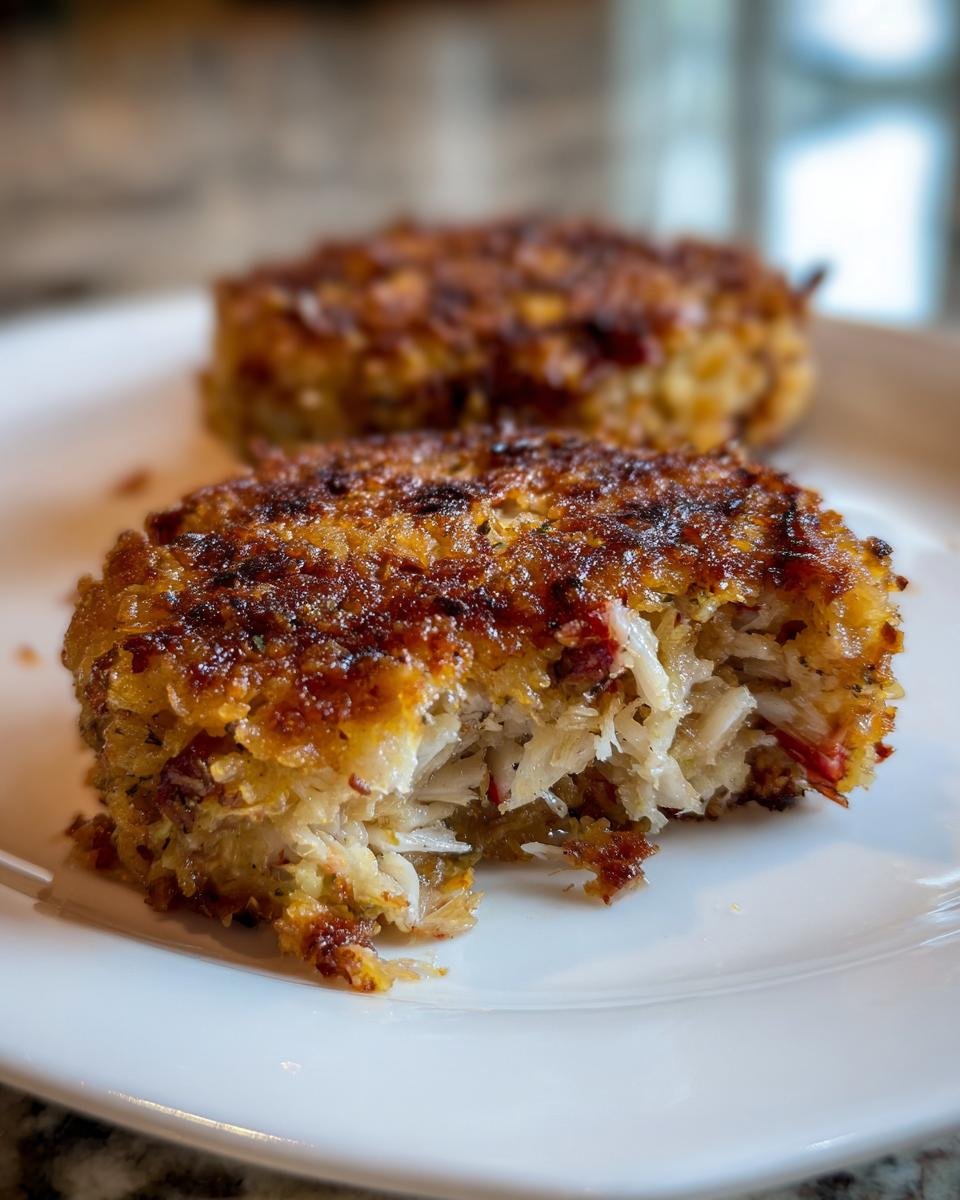
Oh, leftovers! Honestly, these crab cakes are so good they rarely last long, but if you do have some saved, you need to treat them right. Store any leftover Crab Cakes Recipe patties in an airtight container in the fridge. They’re safe to eat for about three days, tops, but honestly, eat them sooner for the best experience.
Forget the microwave! Microwaving turns them steamy and mushy, which ruins our hard work. The absolute best way to reheat is in the oven. Pop them on a baking sheet at 350 degrees Fahrenheit for about 10 minutes. This lets them warm through evenly and brings back a little bit of that beautiful exterior crust we worked so hard to create!
Frequently Asked Questions About This Crab Cakes Recipe
Can I use canned crab meat for this Crab Cakes Recipe?
Oh gosh, I really wouldn’t recommend it, sweetheart. The whole magic of this recipe is that beautiful, sweet flavor and delicate texture of the lump crab meat. Canned crab meat is usually too watery and tends to fall apart easily during mixing, which means you’ll end up adding more breadcrumbs to compensate. If you absolutely must, drain it incredibly well—like, press it between layers of paper towels for an hour—but you’ll lose that signature texture we’re aiming for.
How far ahead can I prepare these Crab Cakes Recipe patties?
This is where planning comes in handy! You can absolutely form the patties ahead of time, which is a lifesaver when company comes over. Make sure they are well-chilled for that 30-minute minimum; ideally, you can cover them tightly and keep them in the fridge for up to 24 hours. This gives the binder time to meld with the crab meat, making them just as sturdy when you cook them the next day.
What exactly is Old Bay seasoning?
If you live near the coast, you already know! If you don’t, Old Bay is a classic American spice blend, primarily used for seafood. It’s got celery salt, pepper, paprika, and a few other secret spices in there. It’s what gives most traditional Chesapeake crab cakes that unmistakable savory, slightly spicy, warm flavor. If you can’t find it, you can try mixing a little celery salt, paprika, a pinch of mustard powder, and black pepper, but the real deal is worth hunting for!
Do I have to use Dijon mustard? Can I use yellow mustard?
Dijon mustard adds a specific depth—it’s tangier and less sharp than regular yellow mustard. Yellow mustard works in a pinch, but the resulting crab cake binder might taste a little bit too aggressively vinegary. Dijon blends in more smoothly with the richness of the mayo. I like to serve my finished cakes with some amazing sauces, and you can check out four fantastic sauce ideas here if you need a topping!
How can I make these crab cakes low-fat?
Well, since we keep the breadcrumbs super low, the majority of the fat content actually comes from the mayonnaise, which keeps the cake moist. If you need to lower it, you can try swapping out half the mayo for plain Greek yogurt. It sounds weird, but it works! Just remember, the texture might be slightly softer, so make sure you chill them extra well before cooking!
Print
Simple Crab Cakes Recipe
- Total Time: 27 min
- Yield: 4 servings 1x
- Diet: Low Fat
Description
A straightforward recipe for making classic crab cakes.
Ingredients
- 1 pound lump crab meat
- 1/2 cup mayonnaise
- 1 large egg, lightly beaten
- 1 tablespoon Dijon mustard
- 1 tablespoon Worcestershire sauce
- 1/4 cup fresh breadcrumbs
- 1 tablespoon chopped fresh parsley
- 1/2 teaspoon Old Bay seasoning
- 1/4 teaspoon black pepper
- 2 tablespoons butter or oil for cooking
Instructions
- Gently pick through the crab meat to remove any shell fragments. Place the crab meat in a medium bowl.
- In a separate small bowl, whisk together the mayonnaise, egg, Dijon mustard, Worcestershire sauce, breadcrumbs, parsley, Old Bay seasoning, and black pepper.
- Pour the wet mixture over the crab meat. Gently fold the ingredients together until just combined. Do not overmix.
- Form the mixture into 4 to 6 equal-sized patties.
- Heat the butter or oil in a large skillet over medium heat.
- Carefully place the crab cakes in the hot skillet. Cook for 4 to 6 minutes per side, until golden brown and heated through.
- Remove from the skillet and serve immediately.
Notes
- For best results, chill the formed crab cakes for at least 30 minutes before cooking.
- You can bake the crab cakes at 400 degrees Fahrenheit for 12 to 15 minutes instead of pan-frying.
- Prep Time: 15 min
- Cook Time: 12 min
- Category: Dinner
- Method: Pan-Frying
- Cuisine: American
Nutrition
- Serving Size: 1 crab cake
- Calories: 280
- Sugar: 2
- Sodium: 550
- Fat: 18
- Saturated Fat: 4
- Unsaturated Fat: 14
- Trans Fat: 0
- Carbohydrates: 8
- Fiber: 1
- Protein: 22
- Cholesterol: 150
Keywords: crab cakes, seafood, lump crab meat, pan-fried, appetizer