
Oh, my gosh, does anyone else get that sinking feeling when you realize that gorgeous head of lettuce you bought on Sunday is already turning into sad, slimy pond scum by Wednesday? I swear, throwing out wilted herbs and fuzzy strawberries felt like throwing cash directly into the compost bin! It was driving me absolutely bananas—and that’s saying something!
I used to think it was just bad luck, but I was treating my fridge like a graveyard instead of a sanctuary. After a summer where I accidentally let nearly $50 worth of zucchini and peppers go bad, I got serious. I started testing every piece of storage advice out there, and I finally nailed the perfect system.
Forget worrying about waste! I’m here to tell you that you absolutely can keep your fruits and veggies vibrant, crunchy, and delicious for weeks, not days. Trust me, these are my definitive 10 Tips To Keep Your Produce Fresh For Weeks. I guarantee you’ll save money and actually eat the beautiful stuff you bring home from the market!
Why You Need These 10 Tips To Keep Your Produce Fresh For Weeks
Honestly, this isn’t just about organization; it’s about loving the food you buy! Following these simple storage rules changes everything in the kitchen. Think less guilt and way more flavor showing up on your plate.
- You save real money because you’re not tossing expensive groceries!
- The food tastes better because you’re eating things at their peak.
- We are stopping food waste dead in its tracks—that’s huge!
- You gain confidence knowing your fridge is organized for peak freshness.
Even little things, like knowing the right spot for your cilantro versus your asparagus, make a difference. Plus, when you need fresh ingredients fast, you know exactly where to look, which is why it’s worth checking out certain herbs that improve your health, too!
Essential Ingredients and Tools for 10 Tips To Keep Your Produce Fresh For Weeks
You don’t need fancy gadgets for this stuff, promise! It’s all about utilizing basic household items correctly. Having these few things handy makes following the storage rules a breeze and keeps everything tasting farm-fresh way longer.
I always keep a stack of plain paper towels—they absorb just the right amount of moisture. Also, having a variety of breathable containers, like basket-style crispers or even just simple Ziploc bags left slightly open, is crucial for certain items. Seriously, having the right tools, like those handy for making homemade cleaning sprays, just makes life easier!
The biggest ‘tool,’ though, is understanding cool, dark places versus the cold fridge. It’s about giving each veggie and fruit exactly the right environment!
The Top 10 Tips To Keep Your Produce Fresh For Weeks: Storage Secrets Revealed
Okay, deep breath! This is where the real rubber meets the road. If you follow these ten specific actions, you are going to feel like you discovered some kind of secret food superpower. I’ve learned these the hard way, so you don’t have to waste a single sprig of parsley!
Tip 1: Unwashed Berries are Key to 10 Tips To Keep Your Produce Fresh For Weeks
This one feels unnatural because we’re trained to wash everything the second we get home. Don’t! Berries—strawberries, blueberries, raspberries—they bleed moisture the second tap water touches them. That moisture is mold’s best friend. I learned this the hard way when I washed a pint of beautiful raspberries only to find fuzz the next morning. Keep them in their original container, unwashed, in the fridge. Only wash them right before you eat them or put them in a smoothie!
Tip 2: Separate Potatoes and Onions for Maximum Shelf Life
Potatoes and onions should never, ever be roommates. They fight! Onions release gas that makes potatoes sprout way faster than they should, and potatoes release moisture that makes onions get soft and slimy. Keep both stashed in a cool, dark pantry, but make sure they are in completely separate baskets or corners. It’s a foundational rule for keeping your root veggies happy.
Tip 3: Reviving Herbs: A Crucial Step in 10 Tips To Keep Your Produce Fresh For Weeks
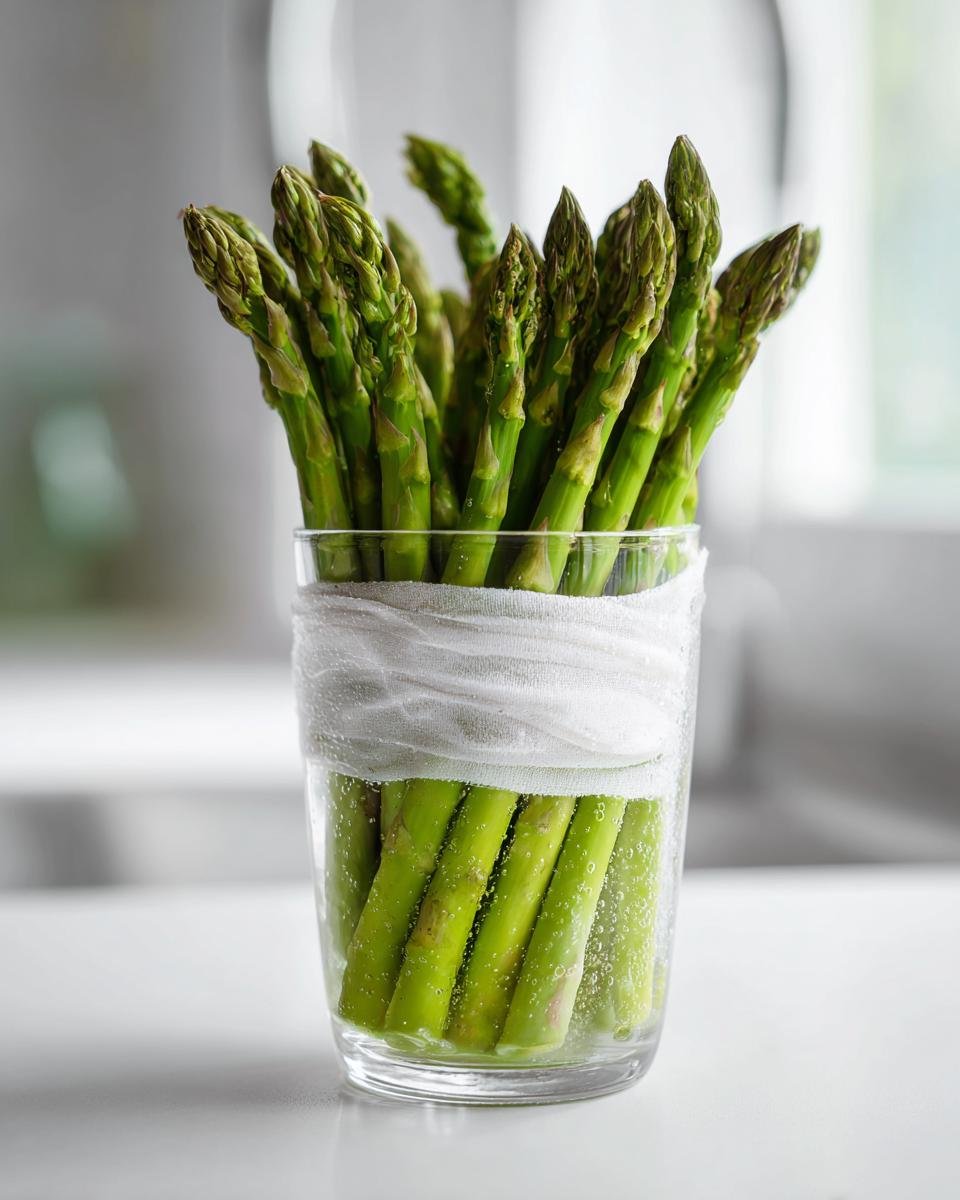
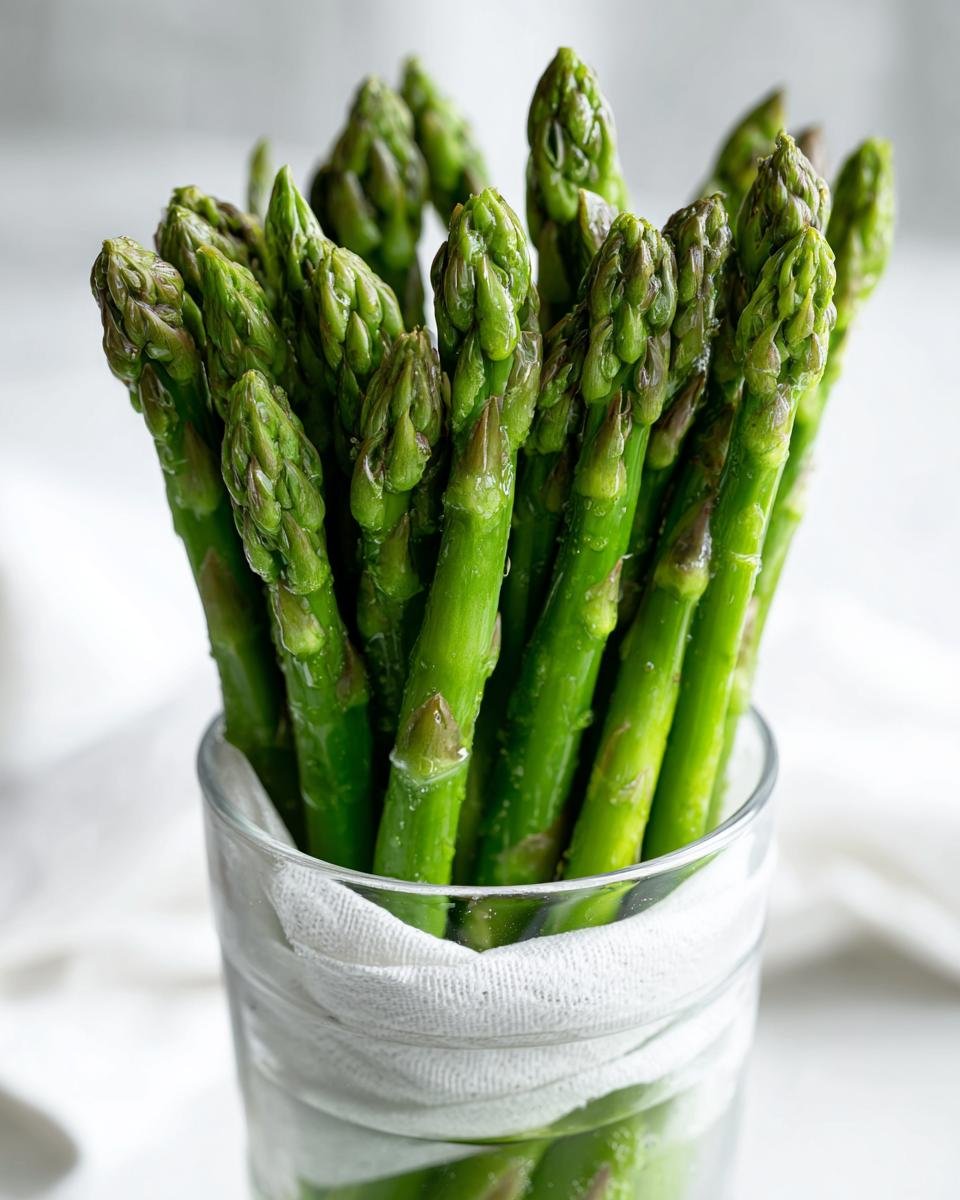
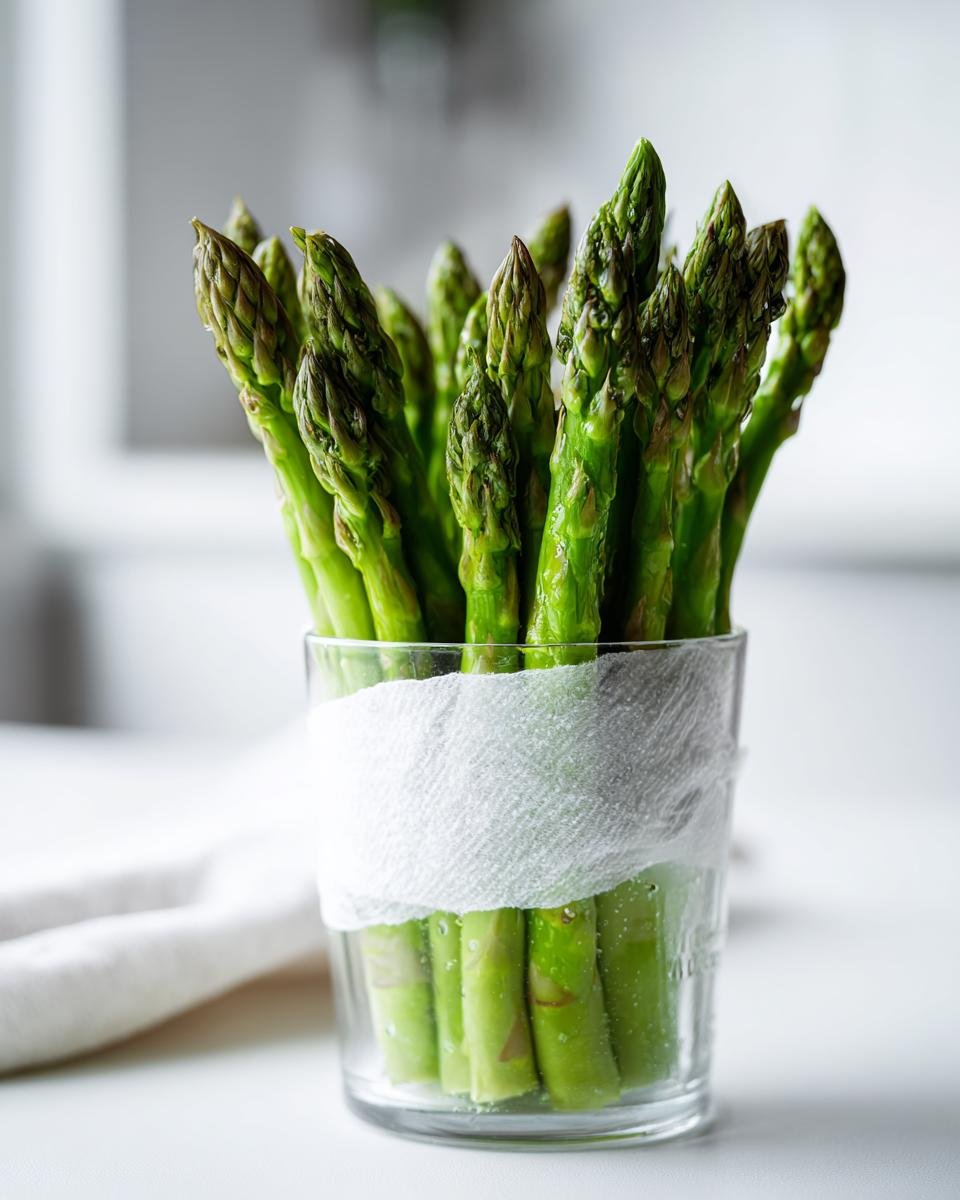
For those delicate, upright herbs like parsley, cilantro, and especially asparagus? We are treating them like tiny bouquets of flowers! Trim the very bottom of the stems—just a tiny snip—and stand them up in a jar with about an inch of water. You can either leave them open to the air or loosely cover the tops with a plastic bag. This keeps them hydrated and crisp for ages. Asparagus loves this trick!

Tip 4: Mushroom Storage: Why Paper Bags Beat Plastic for Freshness
Mushrooms are little sponges, and if you trap them in a plastic bag, they start sweating. That sweat turns into slime faster than you can say “umami.” My research—and let’s be real, trial and error—showed that the absolute best home for them is the original cardboard container or switching them into a plain paper bag. The bag absorbs that excess moisture while still letting them breathe. Never wash those little caps until you’re slicing them for the pan!
Tip 5: Why Tomatoes Should Avoid the Fridge (Part of 10 Tips To Keep Your Produce Fresh For Weeks)
This is a hill I will die on: Refrigerating a perfectly ripe tomato ruins its texture. Cold temperatures make the flesh turn mealy and dull the flavor—it loses all that summery punch. Keep them on the counter! Just make sure they aren’t sitting in direct, hot sunlight. They like a cool spot on the counter, stem-side down, where they can happily ripen slowly.
Tip 6: Bananas and Ethylene Gas: A Rule for 10 Tips To Keep Your Produce Fresh For Weeks
If you have ever bought a bag of avocados, and they all went from rock-hard to mushy brown overnight? Blame the bananas! Bananas are huge ethylene gas producers, and that gas speeds up the ripening (and eventual spoiling) of everything nearby. Keep those yellow bunches completely isolated. Hang them up if you can, but certainly keep them away from your sensitive lettuce and cucumbers. It’s one of the easiest parts of these 10 Tips To Keep Your Produce Fresh For Weeks.
Tip 7: Crisper Drawer Use for Apples and Pears
Apples and pears are hardy, but they still need respect! They belong in the crisper drawer of your fridge. These drawers are designed to manage humidity. If you’re trying to keep them firm for weeks, make sure that drawer is set to the high-humidity setting. They’ll stay satisfyingly crunchy, and you can pull them out for a quick, healthy snack.
Tip 8: Keeping Greens Dry: The Secret to 10 Tips To Keep Your Produce Fresh For Weeks
Leafy greens—spinach, kale, lettuce—they need to be dry, dry, dry. If you wash them while prepping for the week, you MUST use your salad spinner until you think your arm is going to fall off! Excess water speeds up breakdown. I love to line my storage container with a few dry paper towels before adding the washed greens. Those towels wick away any lingering moisture. It’s a genius hack, trust me; it’s a huge secret in successful life hacks that shock people!
Tip 9: Ripening Stone Fruits: Counter to Fridge Strategy
Peaches, plums, avocados—you can’t just throw these straight into the cold fridge if they aren’t ready. They need counter time at room temperature to develop that fuzzy skin perfection or creamy inside. Once they yield slightly to gentle pressure when squeezed, *that’s* when you transfer them to the fridge. The cold slows down the enzyme action, arresting the ripening process so you can enjoy them over several days.
Tip 10: Preparing Root Vegetables for Long-Term Storage (Final of 10 Tips To Keep Your Produce Fresh For Weeks)
Carrots and radishes are fantastic keepers, but only if you remove their leafy tops! Those greens suck the moisture right out of the root part, leaving you with limp, rubbery carrots. Chop those tops right off immediately. Then, toss the carrots into an airtight container lined with a slightly damp paper towel. They’ll stay firm and sweet for weeks in the fridge.
Advanced Produce Preservation: Understanding Ethylene and Humidity
Now that you have the basic rules down, let’s talk about what’s happening behind the scenes in your crisper drawer. It’s a chemical warfare zone in there between the gases and the moisture levels! Understanding ethylene is huge for making these 10 Tips To Keep Your Produce Fresh For Weeks really stick.
Ethylene gas is basically nature’s ripening hormone. Bananas, as we mentioned, are big offenders! But also apples, stone fruits, and melons pump it out. If you store ethylene producers next to ethylene-sensitive items—like broccoli, lettuce, or cucumbers—those sensitive guys are going to turn yellow or soft way before their time. Keep them separated!
Then there’s humidity. Those little sliders on your fridge drawers are your MVPs. For leafy greens, you want that slider closed (high humidity) because you want to trap moisture around them so they don’t wilt. But if you have fruits like apples, you usually set that drawer to low humidity to let ethylene and excess moisture escape. Get to know your fridge settings—it’s like unlocking the next level of produce life extension. It might seem technical, but once you get it right, you’ll wonder how you ever ate sad vegetables before! Check out some great ideas on herbs that improve your health while you’re at it!
When Storage Isn’t Enough: Make‑Ahead & Freezer Tips for Produce
Sometimes, even following all 10 tips perfectly, you still end up with too much beautiful broccoli or a few too many ripe berries. Don’t panic and don’t toss it! The freezer is our secret backup plan. This is where we save those items to use later, especially when we’re making things like those awesome smoothie packs!
For vegetables, you almost always need to blanch them first. This means dunking them quickly into boiling water and then plunging them straight into ice water. It sounds fussy, but it stops enzymes from developing funky freezer burn flavors. Things like green beans or carrots are perfect candidates for this quick dip before bagging them up.
For fruits like those bananas that went past their prime, just peel them, toss them onto a baking sheet for an hour so they don’t freeze into one giant clump, and then toss them into a freezer bag. They are perfect for the next time you want to whip up genius smoothies for the whole week. Freezing is the ultimate way to beat the clock!
Frequently Asked Questions About Produce Storage
I get so many questions about storage, and honestly, it shows you care about eating well! We all have those moments where we second-guess ourselves by the crisper drawer. Don’t worry, let’s clear up some of the most common confusion points so you can master fruit preservation for good. If I couldn’t figure out how to keep my carrots crisp, I’d be emailing someone too—feel free to reach out if you have more, maybe check our contact page if you get really stuck!
Can I wash all my fruits and vegetables immediately after buying them?
Nope! That’s the biggest mistake I see people making. Remember Tip 1? Keep berries dry until you eat them. And mushrooms? They get slimy fast if washed early. For most things, wait until you’re ready to use them. Washing introduces surface moisture that speeds up decay. It’s tempting to prep everything right away, but resisting that urge is a huge step toward keeping your vegetables fresh longer!
What is the best way to keep leafy greens crisp for weeks?
Leafy greens need two things: a very dry environment and the right humidity level. After washing them—and you *must* dry them aggressively with a salad spinner—line your container with a dry paper towel to absorb any excess water vapor. Then, stick that container in the high-humidity side of your fridge drawer; that closed vent traps the moisture the greens need to stay turgid and crisp, just like we talked about in Tip 8!
Do herbs like cilantro and parsley need the same storage as asparagus?
That’s a great question because both are leafy and green! While asparagus thrives standing up in a cup of water (Tip 3), those softer, looser herbs like cilantro and parsley can actually rot quickly if submerged too much. For them, I grab a slightly damp paper towel, wrap the stems loosely, and place the whole bundle into a food-safe plastic bag, leaving it mostly unsealed. It keeps them hydrated without drowning them.
Estimated Nutritional Snapshot for Produce Storage Success
Now, I know some of you look for the nutritional breakdown with every post, and I totally get it! When we’re cooking, knowing what’s fueling us is half the fun. However, since these 10 Tips To Keep Your Produce Fresh For Weeks are all about *storage methods*—we aren’t actually adding, mixing, or cooking anything here—we don’t have a specific recipe to calculate calories or macros against.
Think of this guide as the instruction manual for your crisper drawer rather than a meal plan! The amazing thing is that by following these steps, the produce you *do* eat later will be packed with all the natural vitamins and minerals it had when you bought it. We’re preserving the goodness, not changing it!
If you were to eat a standard handful of mixed, perfectly preserved vegetables, you’d be looking at practically zero calories, tons of fiber, and loads of essential vitamins. But because we’re not measuring specific ingredients for consumption (like you would in a soup or a smoothie), there isn’t a neat little chart to share here. Keep up the great work shopping fresh, and enjoy the peace of mind that comes with maximizing your produce investment!
Share Your Produce Preservation Wins
Whew! We’ve covered a lot of ground on how to stop throwing away perfectly good food. I honestly feel like I could shout these secrets from the rooftops—no more wasted herbs or mushy peppers for us!
Now I want to hear from you! Tell me in the comments below: Which of my 10 Tips To Keep Your Produce Fresh For Weeks was a total game-changer for you? Did the banana removal trick finally save your avocados? Or perhaps your carrots are still boasting their crunch thanks to Tip 10?
Don’t be shy! If you have a backup storage tip that I somehow missed—maybe something you learned from your own grandmother—please drop it in the comments. We’re all about sharing the kitchen wisdom here!
If you found this guide helpful in saving money and eating fresher, please share these tips with a friend who always complains about their fridge! You can find more about me and what else I’m cooking up by checking out my About page. Happy storing, everyone!
Print
Ten Tips To Keep Your Produce Fresh For Weeks
- Total Time: 5 min
- Yield: N/A
- Diet: Vegan
Description
Simple methods to extend the shelf life of your fruits and vegetables.
Ingredients
- Various fresh fruits and vegetables
- A few paper towels
- A breathable container or bag
- A dry, cool storage area
Instructions
- Store berries unwashed until you are ready to eat them.
- Keep potatoes and onions separate; store them in a cool, dark place.
- Wrap the cut end of herbs like asparagus in a damp paper towel and place them upright in a glass of water in the refrigerator.
- Do not wash mushrooms until just before use; store them in a paper bag.
- Store tomatoes at room temperature, away from direct sunlight.
- Keep bananas away from other produce, as they release ethylene gas.
- Store apples and pears in the refrigerator crisper drawer.
- Keep greens dry; wash them just before eating or use a salad spinner to remove excess moisture after washing.
- Store avocados, peaches, and other stone fruits on the counter until ripe, then move them to the refrigerator to slow further ripening.
- Trim the tops off carrots and radishes before storing them in an airtight container with a damp paper towel.
Notes
- Ethylene gas speeds up ripening; separate high-ethylene producers from sensitive items.
- Humidity control in your refrigerator drawers helps maintain freshness for leafy greens.
- Freezing is an option for produce you know you will not use in time.
- Prep Time: 5 min
- Cook Time: 0 min
- Category: Storage Tips
- Method: Storage
- Cuisine: General
Nutrition
- Serving Size: N/A
- Calories: 0
- Sugar: 0
- Sodium: 0
- Fat: 0
- Saturated Fat: 0
- Unsaturated Fat: 0
- Trans Fat: 0
- Carbohydrates: 0
- Fiber: 0
- Protein: 0
- Cholesterol: 0
Keywords: produce storage, keep vegetables fresh, fruit preservation, extend shelf life, food storage tips