
Oh, beans. Bless their little, wholesome, fiber-rich hearts! They taste amazing, they’re packed with protein, and they make the creamiest dips, but let’s be real: sometimes eating a bowl of chili feels like inviting a marching band into your lower intestine, right? Don’t worry, I’ve been there. I used to dread taco night because of the inevitable aftermath. I spent ages tinkering, soaking things differently, and talking to my very culinary-focused aunt until I finally cracked the code.
I promise you, you don’t have to give up your favorite bean dishes forever! We’re going beyond just seasoning them differently; we’re changing *how* we treat them before they even hit the pot. I’ve boiled down everything I learned into my ultimate guide: the 5 Tips For Better Bean Digestion. Stick with me through these simple, game-changing steps, and you’ll be enjoying homemade refried beans or a hearty lentil soup without the uncomfortable side effects. Trust me, this method works!
Why Soaking Beans is Key to 5 Tips For Better Bean Digestion
Okay, here’s where we get a little nerdy, but this is important for building trust in the process. Those little fellas, beans, carry these complex sugars called oligosaccharides. They sound innocent, but our bodies aren’t great at breaking them down before they hit the lower gut. That’s where the unfortunate, bubbly party starts!
The absolute bedrock of my 5 Tips For Better Bean Digestion relies on giving those sugars a bath—we soak them! You need to let dried beans hang out in plenty of water for at least eight hours, and honestly, overnight is even better. This long soak actually coaxes those rougher gas-causing compounds out of the bean and into the water.
And please, please, please—when time’s up, you must toss that soaking water! That water is basically a soup of things you don’t want in your belly. I always give them a good rinse after draining, too, just to be safe. If you really want to amp up the effectiveness, sometimes I drop a tiny pinch of baking soda into the soaking water. It supposedly helps break those starches down even more gently. It’s an old trick, and I think it totally helps!
The Essential Ingredients for Your Beans
When we’re aiming for easier digestion, we want to keep things simple upfront. You only need a few basic things to get started with this method, and chances are, you already have them in your pantry! This really is about technique more than having a truckload of specialized spices right now.
For one batch, you’ll want to start with 1 cup of dried beans. Seriously, any kind works—black beans, kidney beans, chickpeas, whatever you’re craving! You’ll need plenty of water specifically for soaking them overnight, and then you’ll need another batch of fresh water ready for the cooking part.
Remember that little secret weapon I mentioned? If you’re going to use it, grab just a pinch of baking soda. It’s totally optional, but for those days when I know I’m sensitive, I always toss it into the final cooking water. That’s it! No fancy additives required here; the magic is in the soaking and rinsing, not what we put in the pot.

Step-by-Step Preparation: Mastering 5 Tips For Better Bean Digestion
Now that we’ve soaked our beans for a proper amount of time—remember, that’s the absolute must-do part of our 5 Tips For Better Bean Digestion—it’s time to get them cooking! The process isn’t complicated, but the timing of the rinse and the initial boil makes all the difference between a comfy meal and, well, you know.
Soaking and Rinsing: The First Step
By now, your beans have done their long soak, probably for a good 8 hours or more. Pull them out of the water and give them a very aggressive rinse under cold, running tap water. I mean it—rinse until the water runs totally clear! This rinse is non-negotiable because we are washing away all those surface starches and all those dissolved, gas-forming compounds that floated out during the soak. Think of this as the first cleaning step before we even turn on the heat!
The Double Boil Method for Better Bean Digestion
This is my favorite part because it feels so productive! Take those freshly rinsed beans, put them in your pot, and cover them with fresh, cool water. Bring that water up to a roaring, rapid boil. You need to let them boil hard for a full 10 minutes. Don’t just simmer—I mean boil! When those 10 minutes are up, immediately kill the heat, drain all that bubbly water away, and rinse those beans one more time. Yes, it’s a double rinse, but this heavy-duty boiling and rinsing technique is what really knocks out the hard-to-digest elements that cause trouble later on. If you’re looking for ways to boost flavor later on, check out this great tip on making your own bouillon cubes, but for now, back to the beans!
Simmering Until Tender
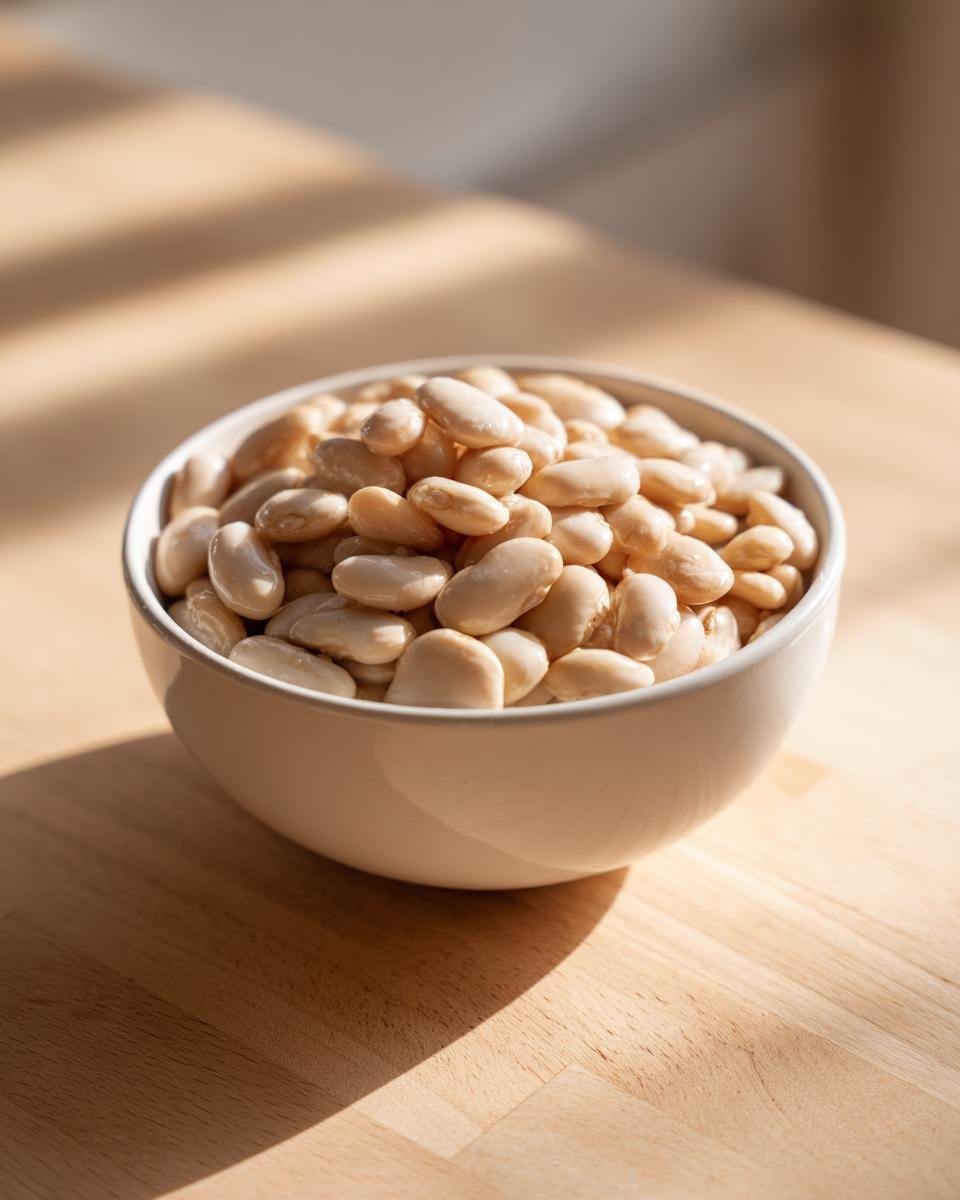
After that aggressive double-boil process, it’s time for the gentle work. Cover the beans with clean water again. This is where you can drop in that optional pinch of baking soda; it helps soften the skins perfectly. Now, turn the heat down low so they just gently simmer away until they are totally tender. While they cook, you might see some foam rise up to the surface—don’t ignore it! Take a spoon and skim that foam right off. That foam also contains some of those lingering starches, so getting rid of it helps with the final texture and keeps the end result easier on your stomach.
Beyond Cooking: Additional 5 Tips For Better Bean Digestion
Whew! If you followed those rinsing and boiling steps, you’ve done about 90% of the work right there. But since we are aiming for absolute comfort and success with our 5 Tips For Better Bean Digestion, we need to talk about how we eat them, too. Cooking is only half the battle; digestion starts the second they hit your plate.
Seriously, start small! When I first tried to transition to eating beans daily, I went straight for a massive bowl of chili and paid for it later. My system needed time to adjust to all that wonderful fiber. So, try serving yourself a smaller portion at first while your gut gets used to the increased fiber load. This takes the pressure off your system immediately.
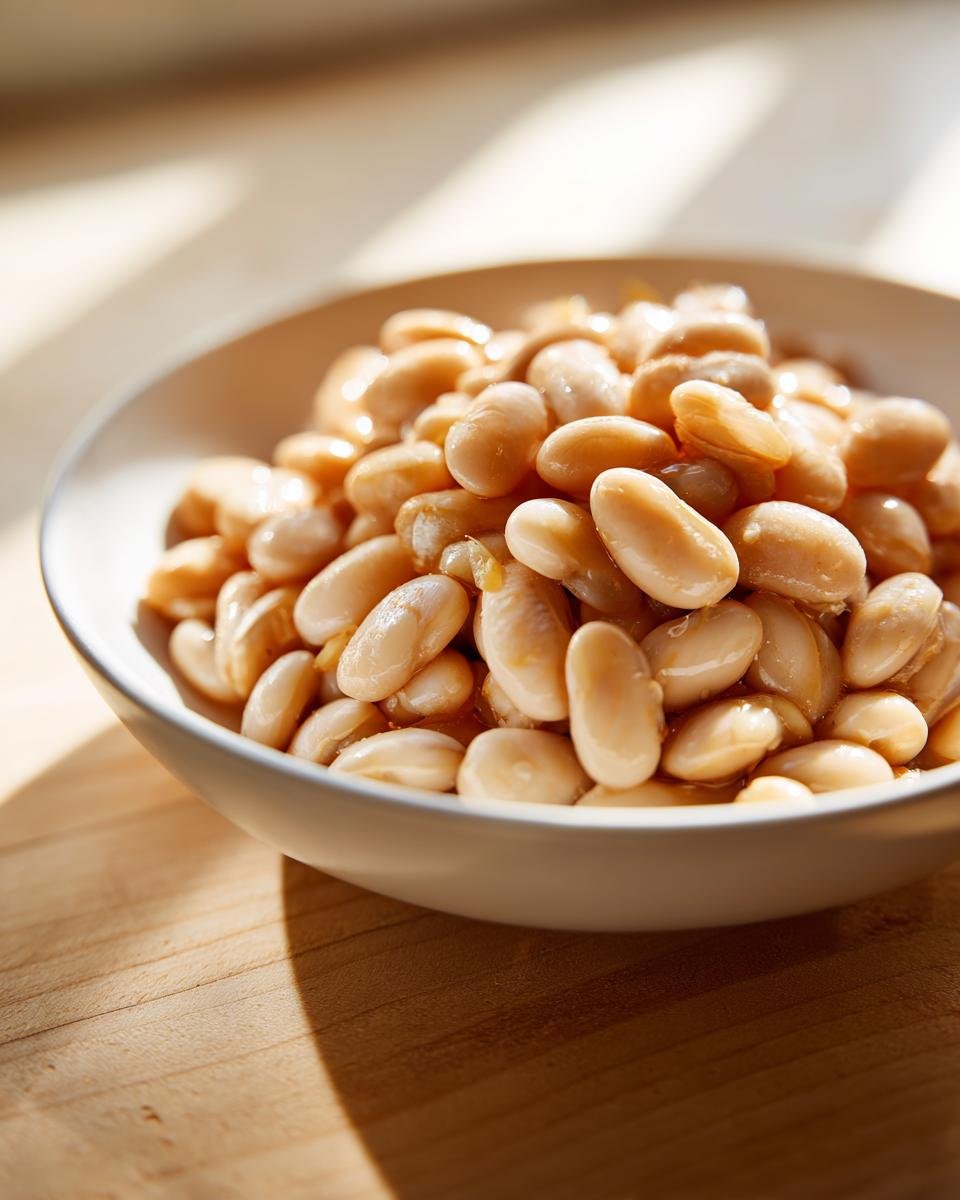
Next thing—slow down! I know sometimes we just inhale our food while watching TV or rushing lunch, but you’ve got to chew your beans properly. Give them a good mash in your mouth before swallowing. The better you break them down mechanically, the less work your internal system has to do later. While you’re chewing, try sipping water throughout the day, not just chugging a whole glass during the meal. Staying hydrated helps everything move along smoothly! If you want to look into some other great items that support overall wellness after a big meal, check out these natural health boosters; they can really complement a fiber-rich diet.
Ingredient Notes and Substitutions for Bean Digestion
We kept the main recipe super simple because the digestion work is all about technique, but let’s chat quickly about ingredient tweaks. The baking soda, remember? That’s optional, and if you totally skip it, don’t stress out! Your beans will still be fantastic and much easier to digest than if you hadn’t soaked them properly. It’s just a little extra help we toss in the pot.
Now, if you’re in a massive rush and grab canned beans—I totally get it sometimes! But here’s the deal: most of the digestion-helping magic happens during that long soak and boil. If you use canned beans straight from the can, you skip all those steps, so the digestive aid isn’t as strong. If you use canned, you absolutely must rinse them super well to get rid of all the excess sodium and canning liquids before using them. It won’t be quite the same level of help as our 5 tips, but it’s better than nothing in a pinch!
Serving Suggestions for Your Easily Digestible Beans
So, you’ve got beautifully cooked beans now that won’t fight back! That’s a massive win. Because this recipe is so foundational—just pure, tender beans—they go with absolutely everything. I love pairing them with something simple and green, like lightly seasoned steamed broccoli, because it makes for a full, hearty meal without weighing you down.
Try mixing them into a light grain bowl if you want something more complex. If you’re eating them as a side dish, make sure you pair them with a lean protein, like grilled chicken or fish, to balance out the whole plate. It just makes sense, right? You want a good balance of texture and nutrients! Check out this great recipe for garlic seasoned steamed broccoli if you need a quick green side to go with your now-friendly beans!
Storage and Reheating Instructions
Good news! Since we did all that hard work cooking them properly, these beans store like a dream. You can definitely eat them the next day, which is great for meal prepping. Just let them cool down completely once they’re done cooking, and then tuck them into an airtight container in the fridge. They should stay perfectly good for about four or five days, easy peasy.
When it’s time to reheat them, try not to just blast them in the microwave on high power. That can make them start to dry out or even split the skins. Instead, add a little splash of water or maybe a tiny bit of fresh broth to the pot or bowl before heating gently on the stovetop or in shorter bursts in the microwave. They’ll stay tender and creamy!
Frequently Asked Questions About Bean Digestion
I get asked about beans all the time because everyone wants that comfort food without the consequences! Let’s tackle the last few stumbling blocks people run into when trying to make their meals friendlier on the tummy. Getting these answers down helps lock in that better bean digestion we’ve been talking about.
Does rinsing the beans after soaking really help reduce gas?
Absolutely, it’s crucial! Rinsing the beans after they’ve sat in soaking water means you are physically washing away all those surface starches and all those soluble oligosaccharides that leached out during the soak. If you skip that rinse, you’re basically putting the same compounds right back into the cooking pot, and that defeats a whole step of why we’re soaking beans in the first place! It’s a key move to reduce gas.
Can I use a pressure cooker for better bean digestion?
Oh, the pressure cooker is a time-saver, no doubt about it! Those things are fast! But when we look at the science behind improving bean digestion, extremely high-pressure cooking doesn’t necessarily give the lengthy water contact time needed to dissolve as many of those troublesome compounds as the overnight soak plus the double-boil method. It speeds things up, but sometimes it sacrifices that ultra-gentle preparation we are aiming for.
What is the fastest way to cook beans if I forget to soak them?
Oops, happens to the best of us! If you realize you forgot to soak your dried beans overnight, you need to do what we call a ‘quick soak.’ Bring the beans and water to a boil, let them boil hard for about two or three minutes, kill the heat, cover them, and let them sit for one full hour. Then, you still need to drain and rinse them before cooking them fresh. It’s not quite as effective for our goal of better bean digestion as an 8-hour slumber, but it gets you cooking much faster!
Honestly, incorporating these adjustments really changed my relationship with legumes. If you’re looking at ways to support overall gut health alongside eating well, you might find this article interesting on how magnesium can help support your system!

Estimated Nutritional Information
So, you’ve gone through the whole process—soaking, double boiling, simmering—and you’ve got yourself a perfect batch of light-on-the-tummy beans! Now you’re probably curious about what all that hard work actually netted you nutritionally. Beans are superstars, and I always want to know that I’m fueling up right.
Based on using about 1 cup of dried beans that yields 4 servings, here’s the general rundown per serving size (which is about 1/2 cup cooked). Keep in mind, this is just a ballpark figure since the exact nutrition can shift slightly depending on what type of bean you used!
- Calories: Roughly 150
- Fat: Very low, around 0.5 grams
- Protein: A fantastic punch with about 9 grams!
- Carbohydrates: About 27 grams, which is where all that wonderful fiber comes from.
- Fiber: A whopping 8 grams! That’s why we did the process, right? To enjoy that fiber without the regret!
I always feel so good knowing I’ve packed in that much fiber and protein with almost zero fat or cholesterol. Remember, this is an estimate based on standard usage; if you load yours up with bacon fat instead of water when cooking, the numbers will change, ha! But sticking to this clean cooking method keeps everything looking great!
Print
Five Tips For Better Bean Digestion
- Total Time: 8 hours 60 min
- Yield: 4 servings 1x
- Diet: Vegan
Description
Simple methods to reduce gas and improve comfort when eating beans.
Ingredients
- 1 cup dried beans (any type)
- Water for soaking
- Water for cooking
- Pinch of baking soda (optional)
Instructions
- Soak dried beans in plenty of water for at least 8 hours or overnight. Discard the soaking water.
- Rinse the soaked beans thoroughly under cold running water.
- Place the rinsed beans in a pot, cover with fresh water, and bring to a boil. Boil rapidly for 10 minutes.
- Drain the boiling water and rinse the beans again.
- Cover the beans with fresh water, add a pinch of baking soda if desired, and simmer until tender, skimming off any foam that rises to the top.
Notes
- Start with small portions of beans to allow your digestive system to adjust.
- Chew beans thoroughly when eating.
- Drink water throughout the day, not just with the meal.
- Consider using digestive aids like ginger or fennel tea after eating beans.
- Prep Time: 8 hours (soaking)
- Cook Time: 60 min
- Category: Side Dish
- Method: Boiling
- Cuisine: General
Nutrition
- Serving Size: 1/2 cup cooked
- Calories: 150
- Sugar: 0.5
- Sodium: 5
- Fat: 0.5
- Saturated Fat: 0.1
- Unsaturated Fat: 0.4
- Trans Fat: 0
- Carbohydrates: 27
- Fiber: 8
- Protein: 9
- Cholesterol: 0
Keywords: bean digestion, reduce gas, soaking beans, cooking beans, better digestion